Ib Geertsen
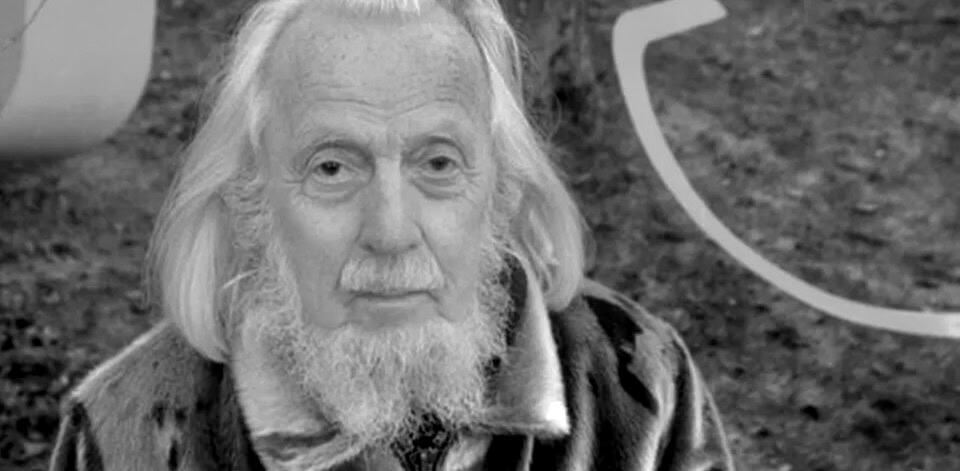
Ib Geertsen (1919–2009) was a Danish painter and sculptor associated with concrete art and postwar Danish modernism. His work is known for its disciplined abstraction, where colour, geometry, and movement are arranged without representational content. Through paintings, reliefs, mobiles, and public decorations, Geertsen developed a visual language based on circles, squares, rounded forms, and carefully balanced colour fields.
Biography
Ib Geertsen was born in Copenhagen in 1919. He first trained as a gardener between 1934 and 1939 before turning fully to art, largely as a self-taught artist. During the late 1930s, he became connected with artists in Aalborg and initially worked within a naturalist tradition, painting still lifes and landscapes influenced by artists such as Paul Cézanne and Amedeo Modigliani.
In the 1940s, Geertsen moved toward a more experimental and abstract form of expression. After returning to Copenhagen in 1943, his painting became more spontaneous, with elements of impasto and surrealist technique. In 1947, he co-founded the artists’ association Linien II, which became an important platform for concrete art in Denmark.
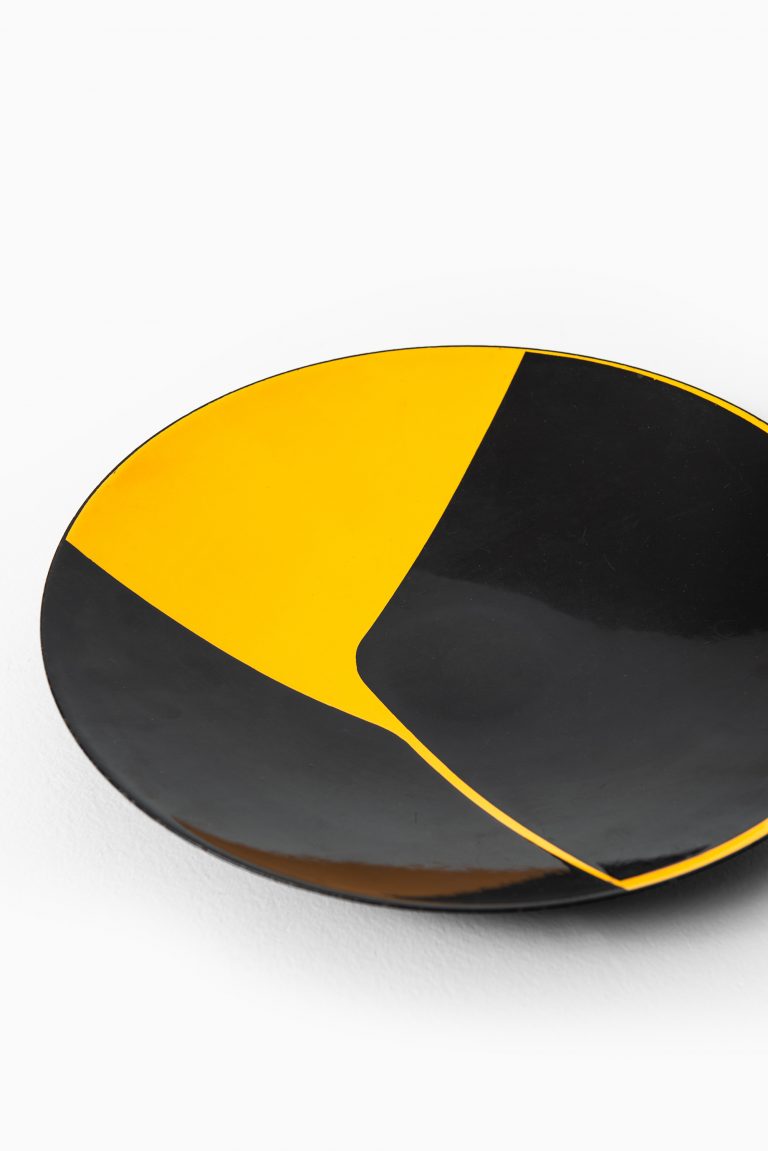
Geertsen’s mature work was based on precise geometric compositions, often using solid areas of colour and repeated shapes to create rhythm, balance, and spatial movement. Circles and squares became central motifs in his work, forming a clear and recognizable idiom that he applied across paintings, sculptures, reliefs, and decorative commissions.
In addition to his studio practice, Geertsen created several public decorations for schools, hospitals, and institutional buildings in Denmark. Later in his career, he developed mobiles and hanging works, extending his interest in colour and form into three-dimensional space. These works show his ability to combine strict geometric order with a sense of lightness and movement.