Lars-Gunnar Nordström
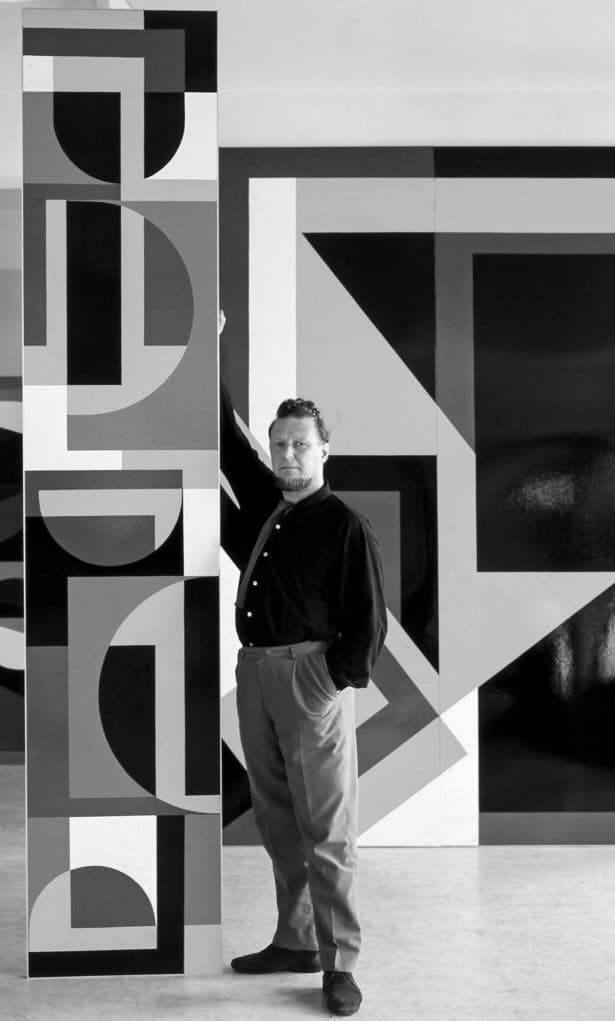
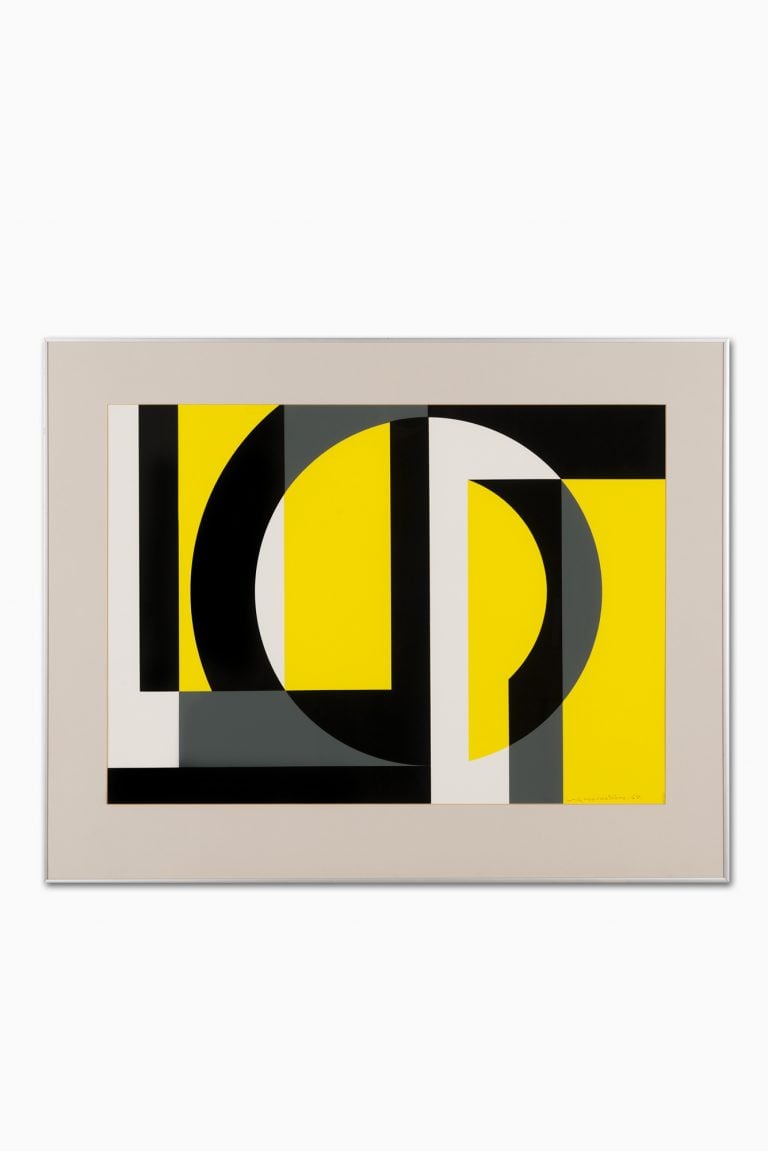
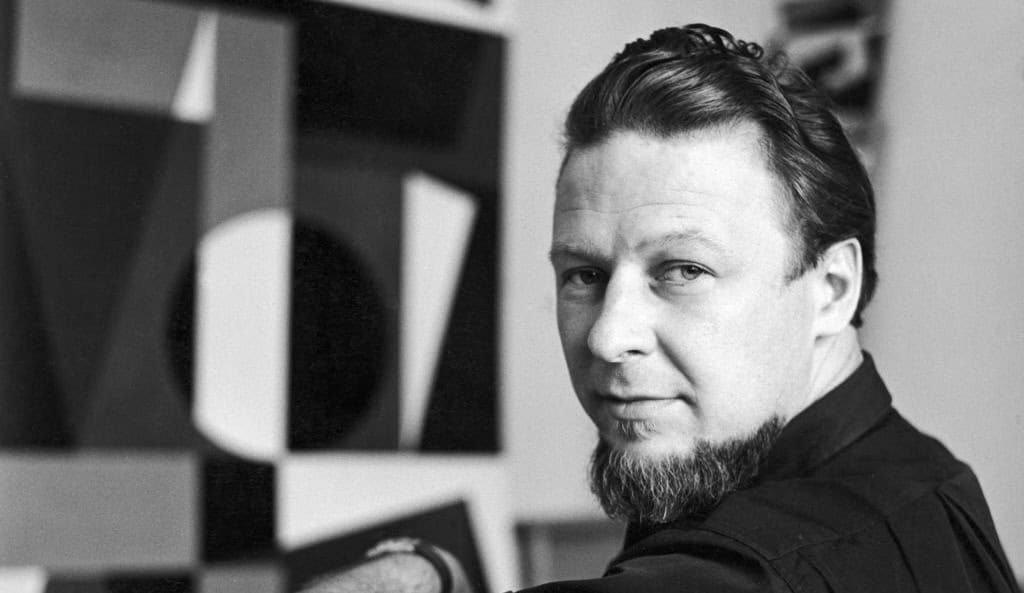
Lars-Gunnar Nordström (1924–2014) was a Finnish painter, sculptor, and graphic artist, regarded as one of the leading figures of Finnish concretism. His work is known for its geometric clarity, precise compositions, and restrained yet powerful use of colour. Moving between painting, sculpture, and graphic art, Nordström developed a consistent abstract language based on rhythm, structure, and dynamic balance.
Biography
Lars-Gunnar Nordström was born in Helsinki in 1924 and grew up in a family connected to architecture. He studied furniture design at the Central School of Applied Arts in Helsinki between 1946 and 1949, also attending the Free Art School and undertaking study trips to New York and Paris. He later worked in various architecture offices, where he was involved in furniture design.
Nordström’s earliest paintings were influenced by Cubism, but he soon moved toward a clearer constructivist and concretist expression. In 1949, he held his first solo exhibition of abstract art and travelled to Paris, where he encountered important representatives of abstract art, including Alberto Magnelli, and saw the work of Victor Vasarely. These experiences had a lasting influence on his interest in rhythm, geometry, and optical movement.
During this period, Nordström also came into contact with several Nordic artists working within abstraction, including Olle Bærtling, Robert Jacobsen, Richard Mortensen, and Eric H. Olson. His work developed into a distinct visual language built from geometric planes, mathematical precision, and a limited but intense colour palette. The result is a sense of movement and tension created through carefully balanced form.
In addition to painting and graphic work, Nordström created non-figurative sculptures in materials such as iron, stainless steel, acrylic, and aluminium. These sculptures were often constructed from repeated formal elements, reflecting the same structural thinking found in his paintings.