Axel Salto
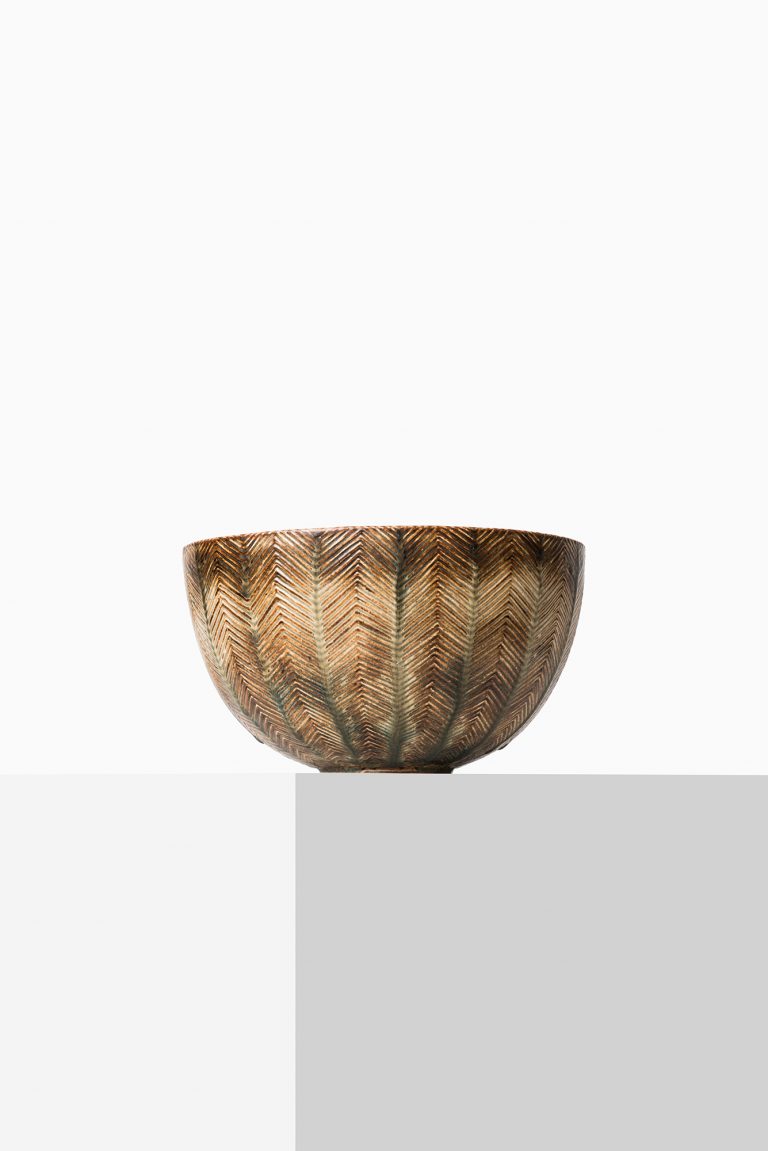
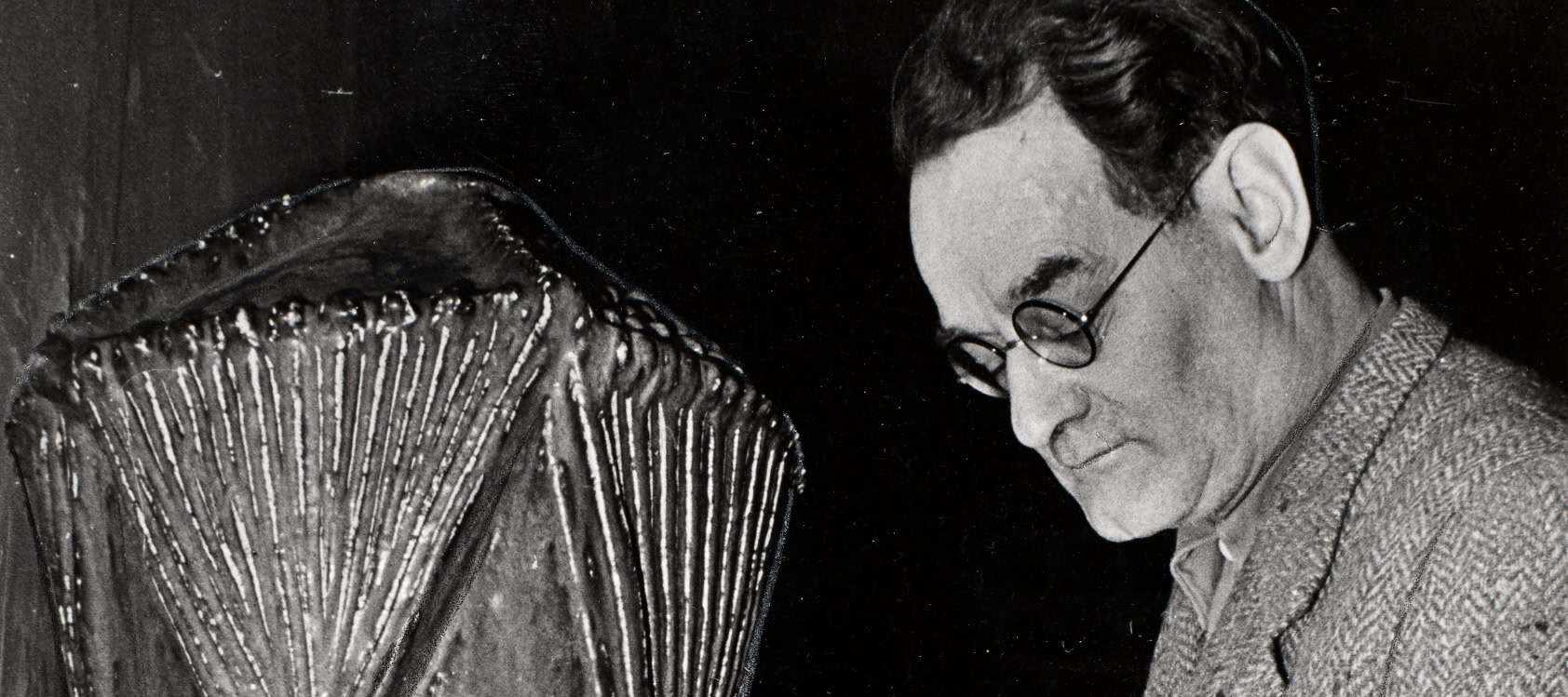
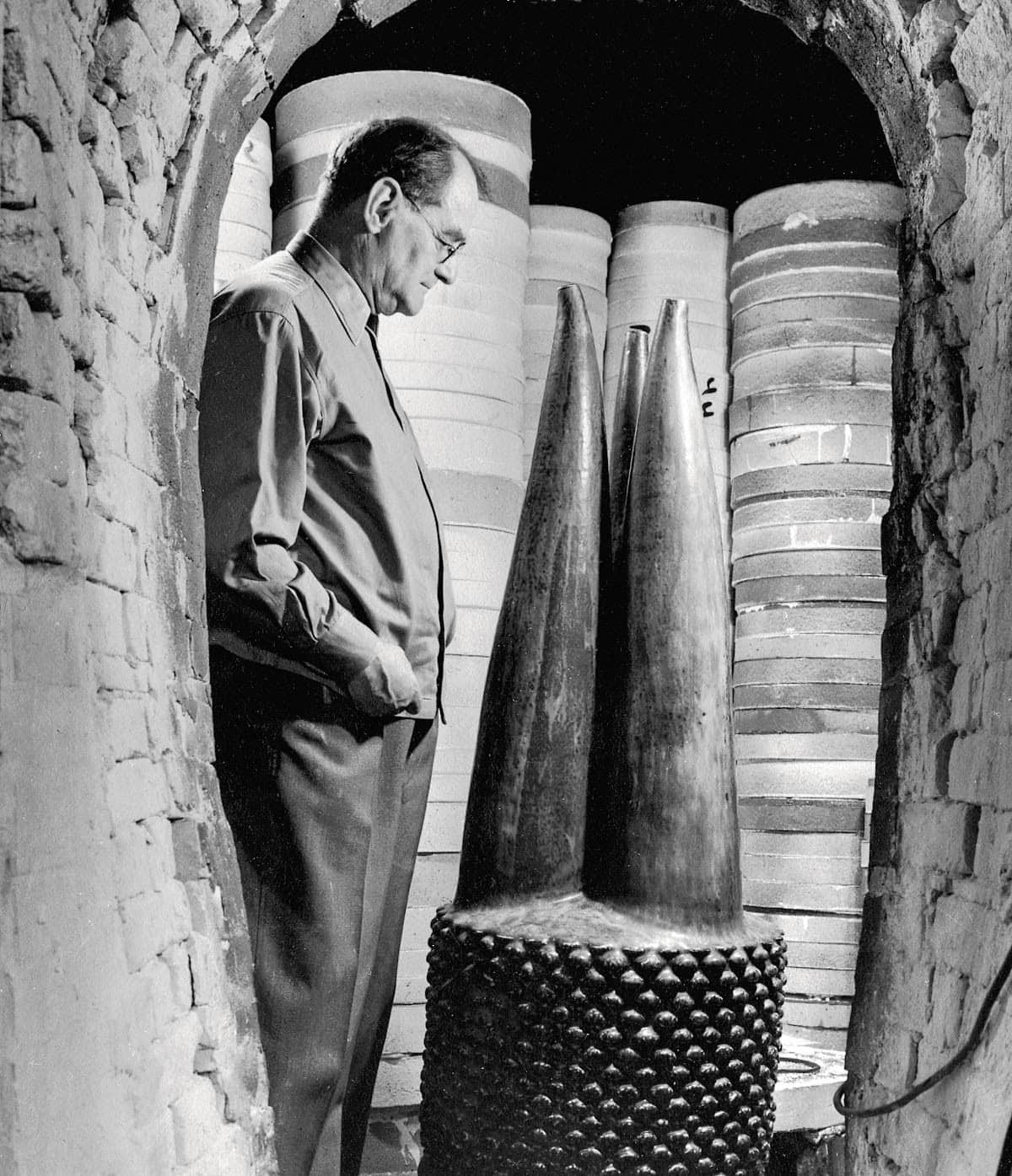
Axel Salto (1889–1961) was a Danish ceramicist, painter, and designer regarded as one of the most influential figures in 20th-century Scandinavian ceramic art. His work is distinguished by sculptural, organic forms and richly developed glazes inspired by natural growth patterns, helping to elevate ceramics beyond traditional decorative practice.
Biography
Axel Salto was born in Copenhagen and studied at the Royal Danish Academy of Fine Arts from 1909 to 1914. He initially pursued painting and graphic work before turning his attention toward ceramics during the early 1920s, a shift that would define his artistic legacy. A formative stay in Paris brought him into contact with leading modernist artists, including Pablo Picasso and Henri Matisse, experiences that contributed to his progressive artistic outlook.
Salto’s breakthrough in ceramics came in connection with the 1925 International Exhibition in Paris, where porcelain designs created for Bing & Grøndahl received widespread recognition. Following this success, he devoted himself fully to ceramic production, first collaborating with the ceramicist Carl Halier in Frederiksberg and later working with Saxbo before joining Royal Copenhagen, where he remained active from 1933 into the 1950s.
Throughout his career, Salto developed a distinctive approach to stoneware, experimenting with complex glazes and expressive surface treatments. His work is commonly associated with three characteristic decorative modes — often described as fluted, budding, and sprouting — each reflecting his fascination with botanical growth and natural structure. By combining technical precision with a highly personal visual language, Salto played a central role in shaping modern Danish ceramics and remains widely regarded as one of its most important artistic voices.
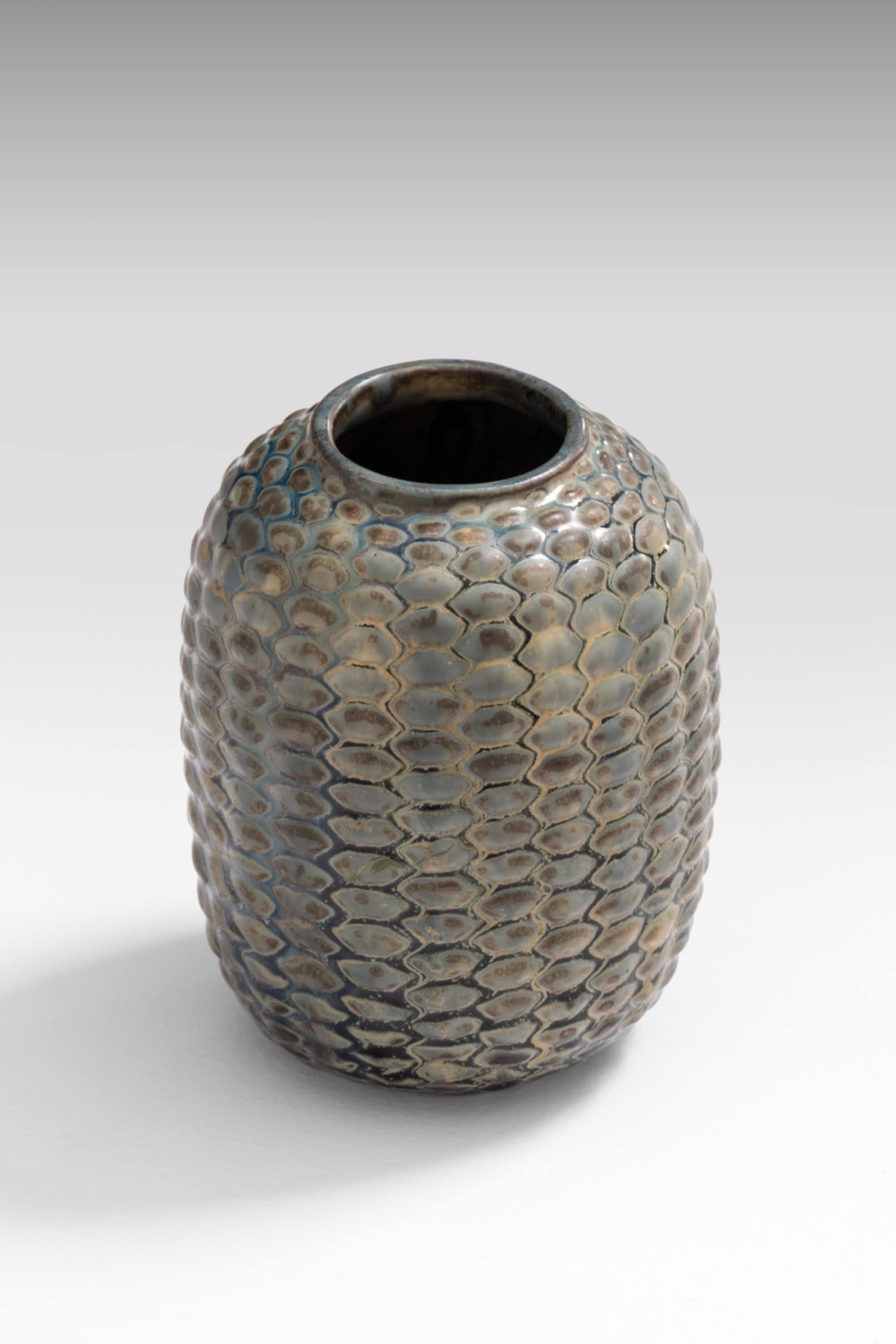
Axel Salto vase
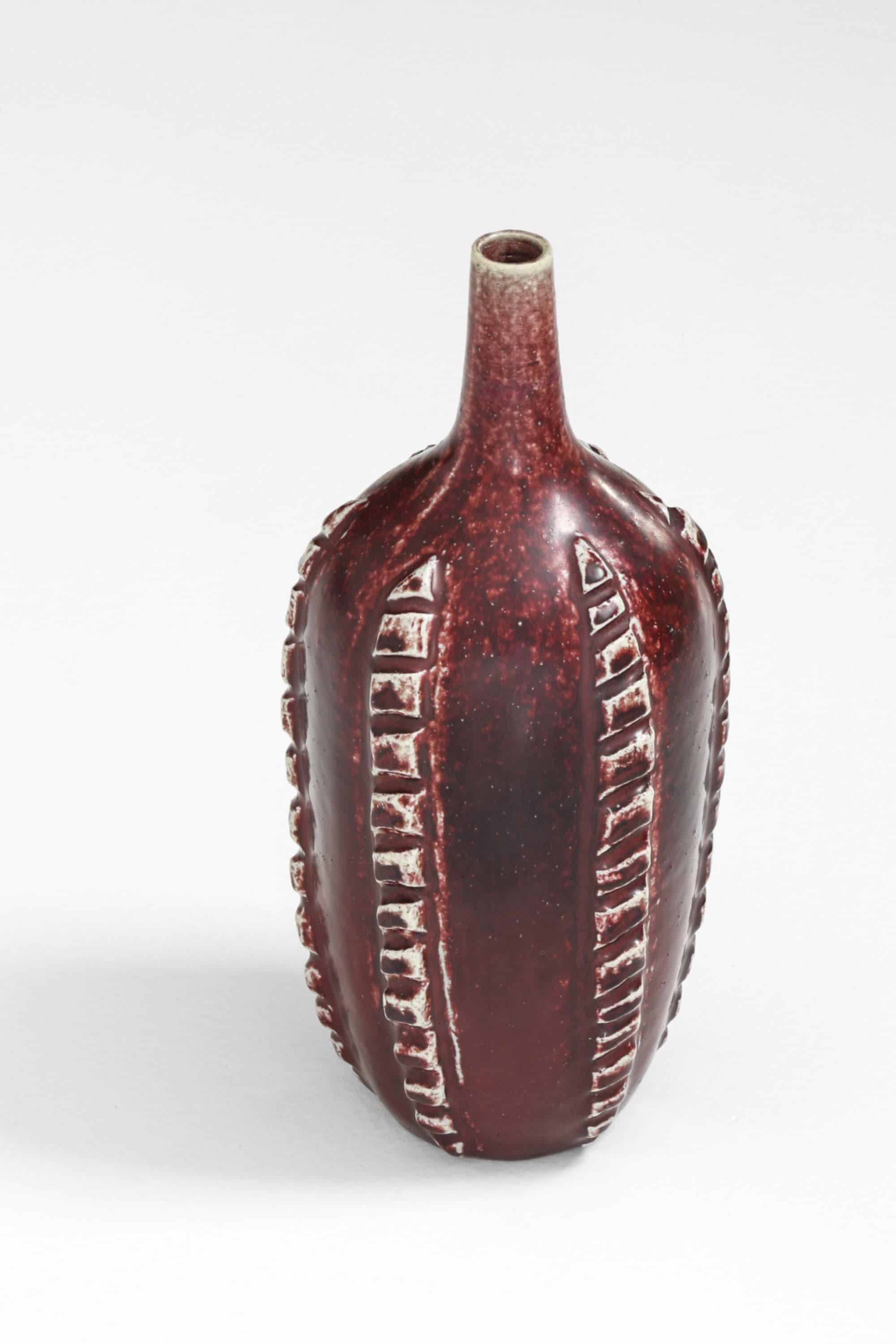
Axel Salto vase

Axel Salto table lamp

Axel Salto ceramic vase

Axel Salto vase

Axel Salto vase

Axel Salto vase

Axel Salto vase