


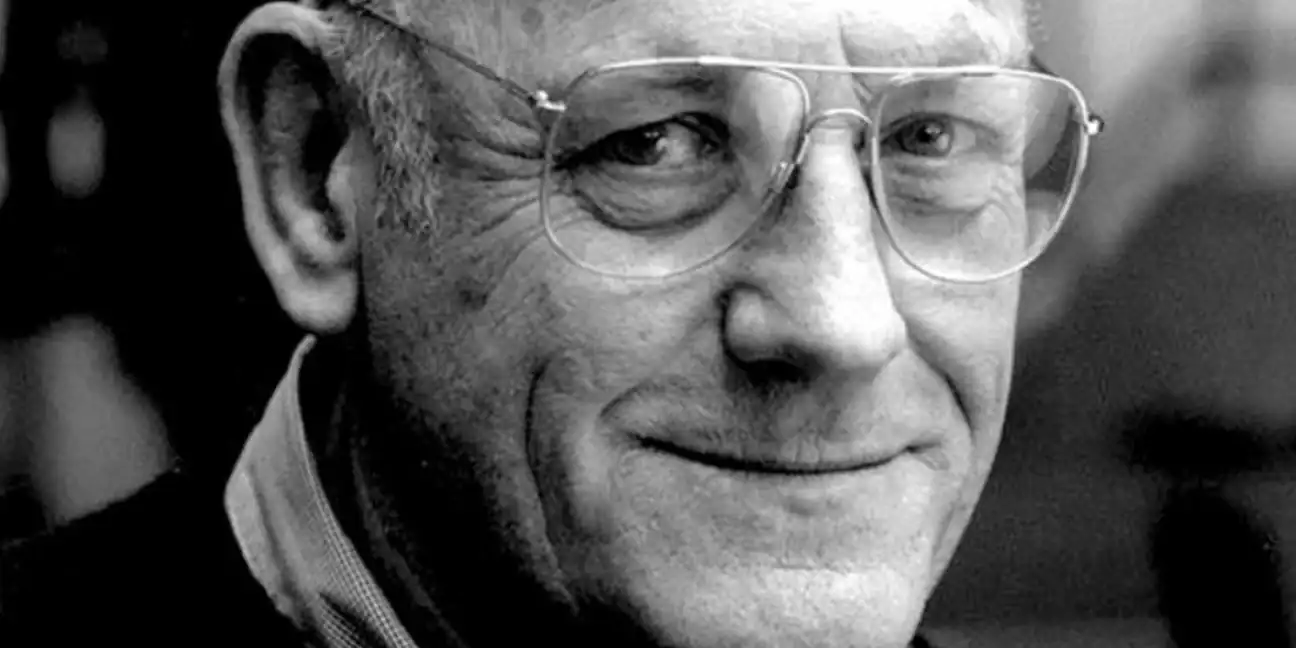
Erik Ole Jørgensen
Erik Ole Jørgensen (1925–2002) was a Danish furniture designer whose background in upholstery gave him a deep understanding of materials, tactility, and construction. He is best known for his furniture and textile designs, where refined proportions, careful craftsmanship, and a strong sense of composition are combined with quiet, effortless elegance. His work reflects the clarity and restraint of Danish modern design, while also revealing a particular sensitivity to texture, comfort, and material expression.
Biography
Erik Ole Jørgensen originally trained as an upholsterer before continuing his studies at the Design School in Copenhagen, where he graduated in 1948. His practical background in upholstery gave him a strong technical foundation and a close understanding of how furniture should support the body, both structurally and visually. This knowledge would remain central throughout his career.
Like many Danish modernist designers of his generation, Jørgensen was influenced by the design principles associated with Kaare Klint, whose emphasis on clarity of construction, proportion, functionality, and the rejection of unnecessary ornament shaped much of Danish furniture design in the mid-20th century. Although Jørgensen was not a direct student of Klint, he worked for him for several years during the 1940s, gaining important experience within this tradition.
Jørgensen later developed his own design language, characterized by clean lines, subtle detailing, and an intuitive use of materials. His furniture often balanced structural simplicity with a strong tactile quality, while his textile work reflected an exceptional sense of color, texture, and composition. This combination allowed him to create designs that felt both refined and highly usable.
He is particularly associated with furniture designed for FDB Møbler, where his wooden furniture became part of the broader legacy of Danish modern design. Throughout his career, Jørgensen produced work that was understated yet carefully resolved, with an emphasis on comfort, craftsmanship, and timeless form. Today, his designs are valued for their calm elegance, material sensitivity, and important contribution to postwar Danish furniture design.
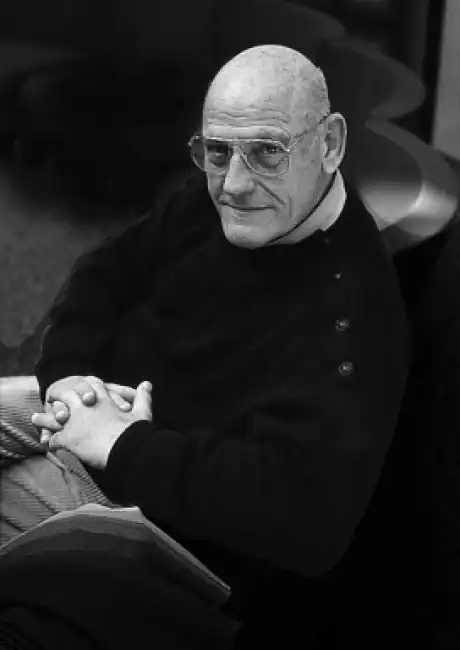

Erik Ole Jørgensen easy chairs
(2 PCS)
Erik Ole Jørgensen easy chairs

Erik Ole Jørgensen easy chair

Erik Ole Jørgensen easy chair

Erik Ole Jørgensen easy chairs
(4 PCS)
Erik Ole Jørgensen easy chair
