Jørgen Ditzel
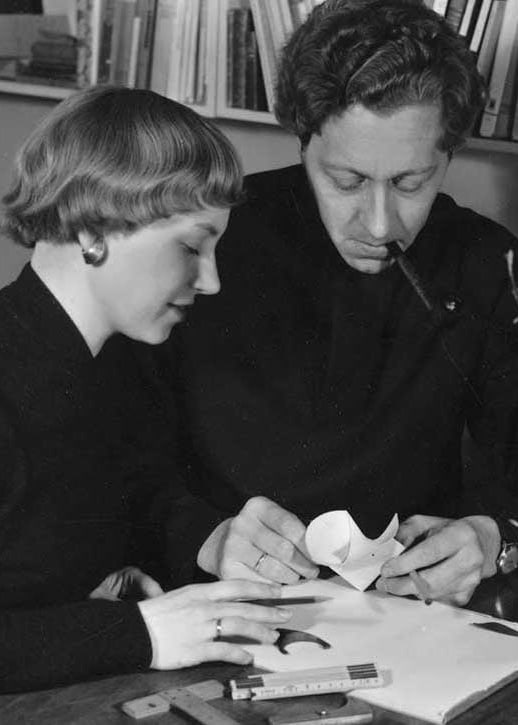
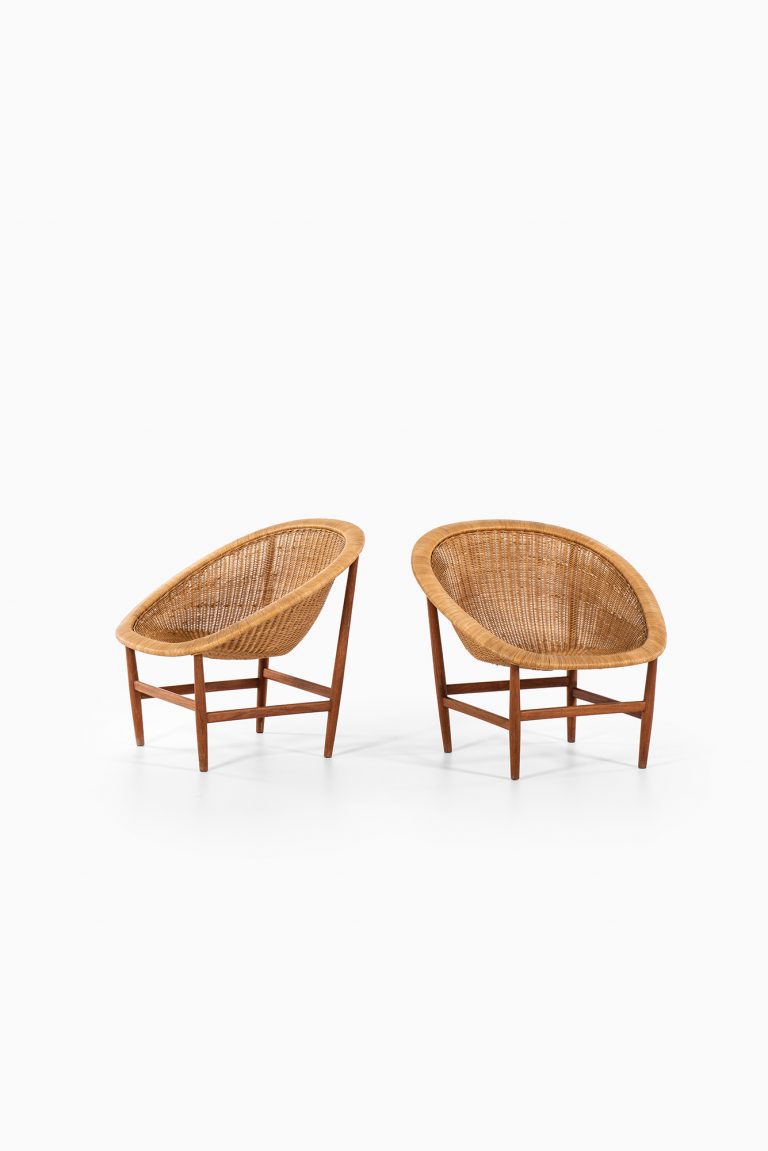
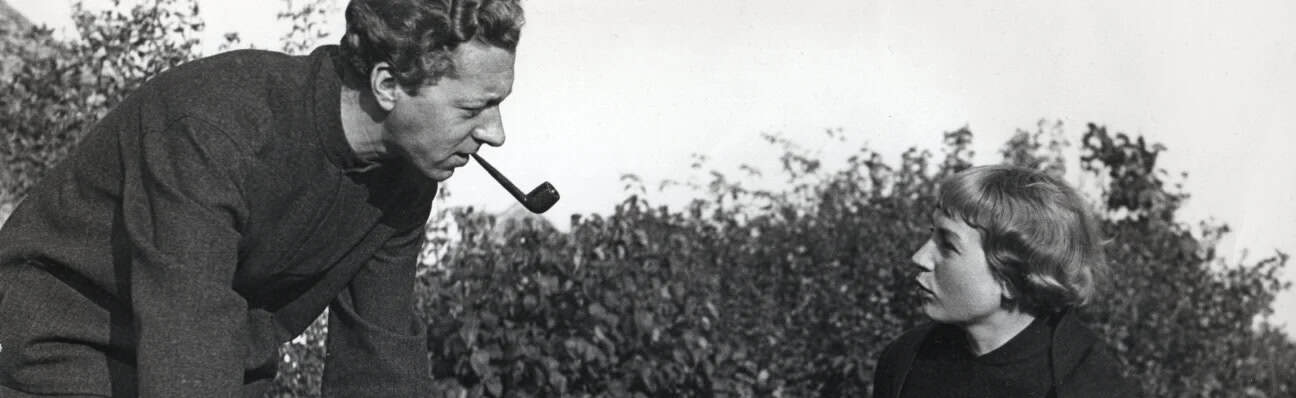
Jørgen Ditzel (1921–1961) was a Danish architect and furniture designer, best known for his collaborative work with his wife, Nanna Ditzel. Together, they became one of the notable design partnerships of postwar Danish design, creating furniture, interiors, jewellery, and objects that explored new materials, freer forms, and more informal ways of living. Their work is particularly associated with experimental seating, including designs in bamboo, rattan, and wicker.
Biography
Jørgen Ditzel was born in Frederiksberg, Denmark, in 1921. He trained as an architect and furniture designer, and from 1946 worked closely with Nanna Ditzel, whom he had met during his studies. Together they established a design practice that became known for its open-minded approach to materials, construction, and modern domestic life.
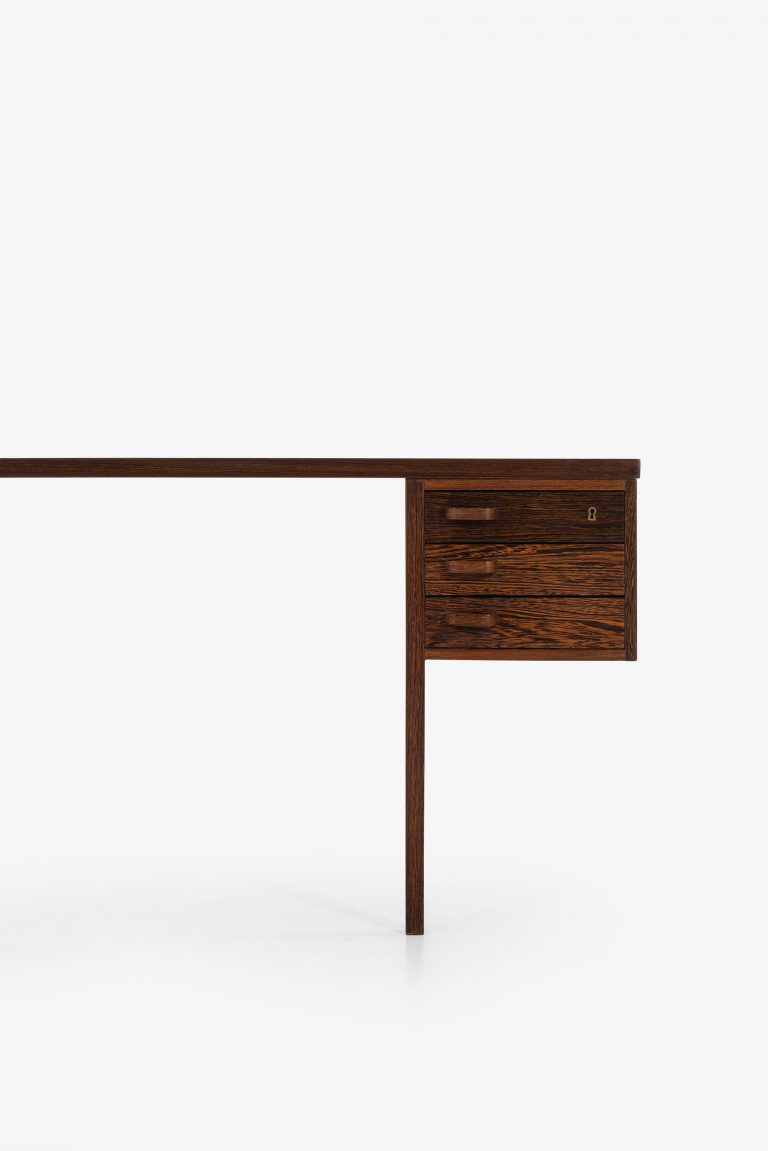
During the late 1940s and 1950s, Jørgen and Nanna Ditzel designed furniture, children’s furniture, textiles, jewellery, and interior objects. Their work often challenged conventional furniture types, exploring forms that encouraged relaxation, movement, and a more informal relationship between body and object. This approach aligned with the broader development of Danish modern design while also giving their work a more playful and experimental character.
Among their best-known works is the Hanging Egg chair from 1959, designed in rattan and suspended from above. The chair reflects the Ditzels’ interest in natural materials, rounded forms, and furniture that created a more intimate and flexible experience of sitting. Their designs in bamboo, rattan, and wicker also show their attention to craft traditions and lightweight construction.
The couple also designed silver jewellery for Georg Jensen. Their jewellery was recognized for its modern, organic forms and close relationship to the body, and in 1956 they were awarded the Lunning Prize. In 1960, they received a gold medal at the Milan Triennale for the Clementine bracelet.
Jørgen Ditzel died in 1961, only 39 years old. After his death, Nanna Ditzel continued an influential design career of her own. Today, Jørgen Ditzel is remembered primarily through the collaborative work he created with Nanna Ditzel, a body of design that remains valued for its material experimentation, human-centered comfort, and distinctive contribution to mid-century Danish design.