Märta Måås-Fjetterström
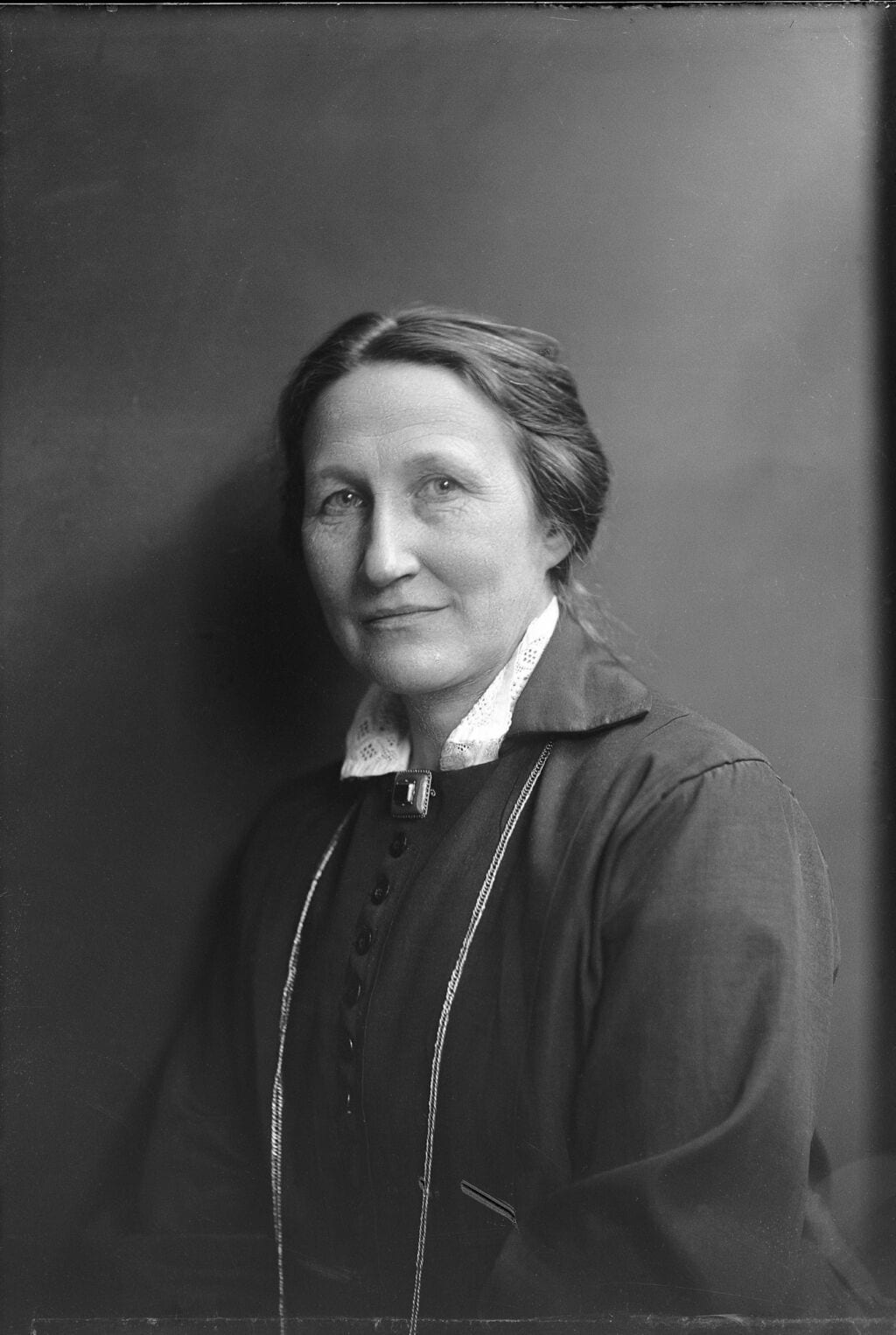
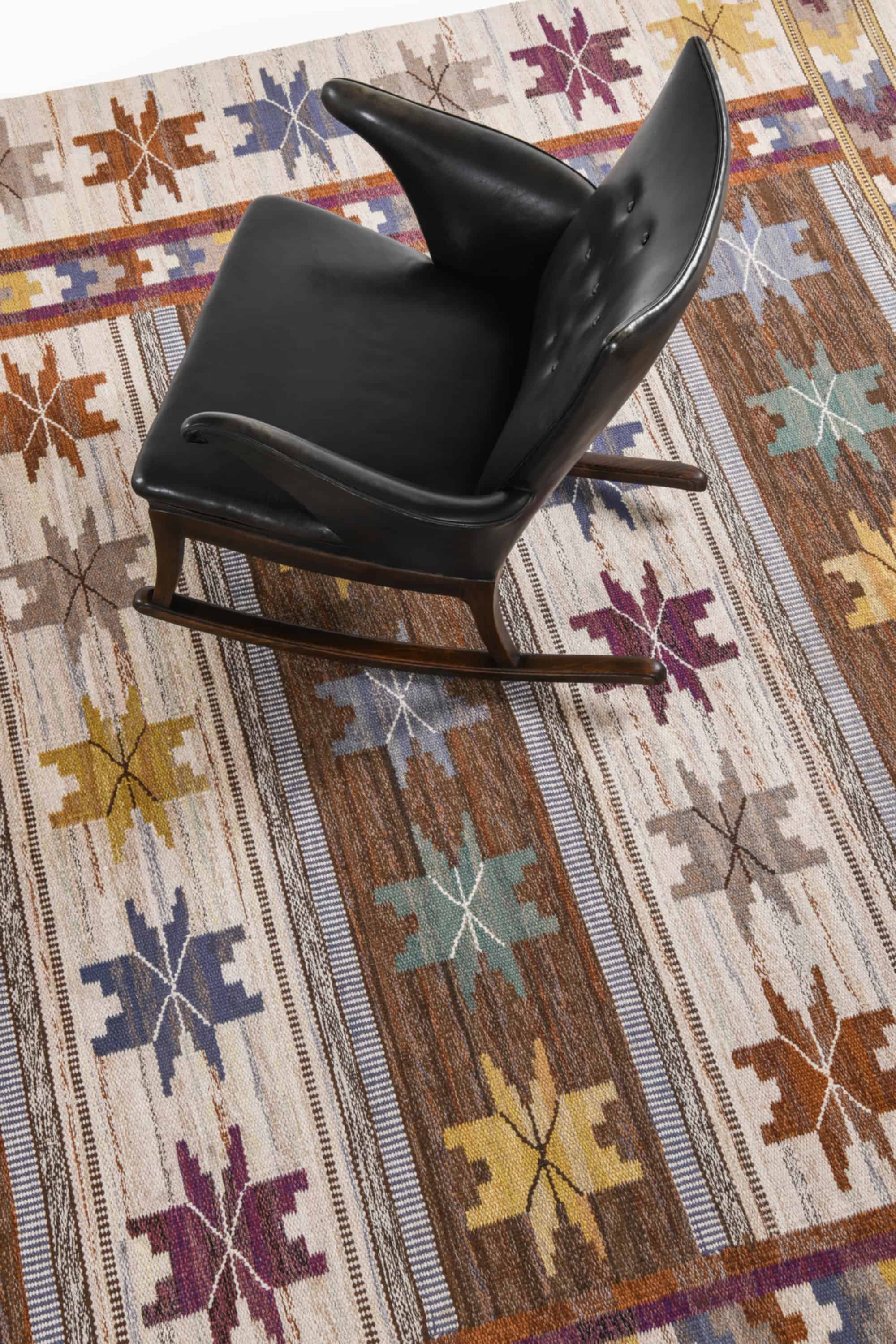
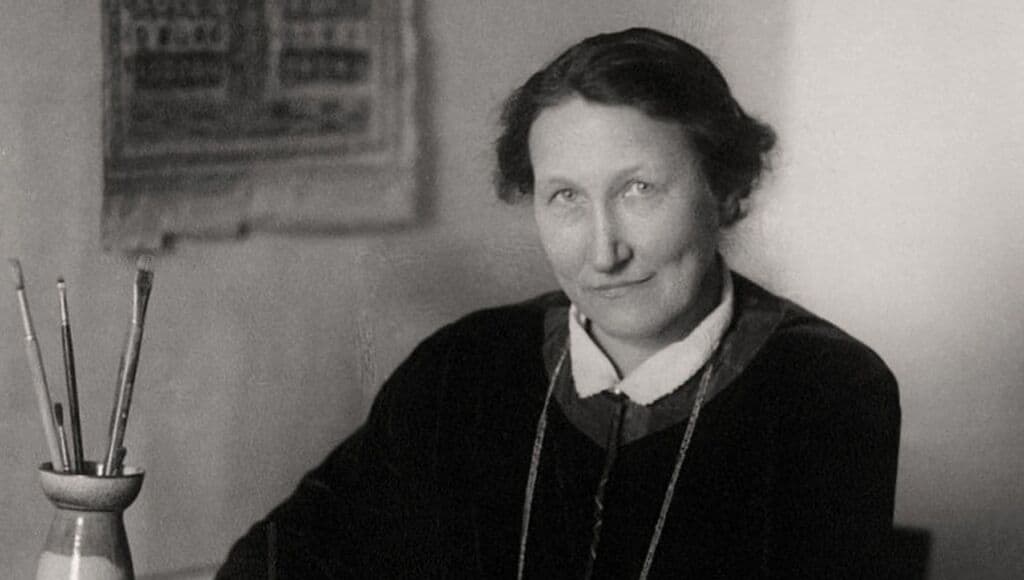
Märta Måås-Fjetterström (1873–1941) was a Swedish textile artist, designer, and teacher, regarded as one of the most important figures in Swedish textile art during the early 20th century. She is best known for her richly composed rugs and tapestries, where traditional weaving techniques were combined with a modern sense of colour, rhythm, and stylized natural forms. Through her workshop in Båstad, she created a lasting textile legacy that continues to define Swedish craft and design.
Biography
Märta Måås-Fjetterström was born in Kimstad, Sweden, in 1873 and grew up in Vadstena. She studied at the Higher School of Industrial Art in Stockholm, where she received a strong foundation in drawing, pattern design, and decorative composition. After her studies, she worked as a drawing teacher in Jönköping before being employed at Kulturen in Lund in 1902.
During her years in Lund, Måås-Fjetterström began creating designs for woven textiles. She later became director of the Malmöhus County Handicraft Association, and her work developed within the wider Swedish handicraft movement, where traditional techniques were being renewed for modern interiors. Early works such as Staffan Stalledräng and Sankt Göran och draken showed her ability to combine narrative motifs, strong patterning, and a refined understanding of textile structure.
In 1919, Måås-Fjetterström established her own weaving studio in Båstad, supported by Ludvig Nobel, who had commissioned textiles for his national romantic building Skånegården. From this point onward, her work focused mainly on rugs and woven textiles, including pile carpets, flatweaves, and tapestries. The landscape and nature around the Hallandsåsen ridge became an important source of inspiration, appearing in stylized flowers, leaves, animals, and carefully balanced ornamental patterns.
Her workshop produced both richly detailed decorative carpets and more restrained modern compositions. Works such as Svarta trädgårdsmattan, Örtagården, and Blå bårdmattan demonstrate the range of her expression, from dense and colourful patterning to simplified geometric clarity. Her textiles were woven by skilled local weavers, whose craftsmanship was essential to the realization of her designs.
Måås-Fjetterström’s breakthrough came in 1934 with an exhibition at Liljevalchs konsthall in Stockholm, shown alongside figures such as Elsa Gullberg, Carl Malmsten, and Svenskt Tenn. After her death in 1941, the workshop was reorganized as AB MMF, where her pattern archive continued to be produced and developed under later artistic leaders including Barbro Nilsson, Ann-Mari Forsberg, and Marianne Richter.
Today, Märta Måås-Fjetterström is remembered as a central figure in Swedish textile design. Her work is valued for its artistic strength, technical mastery, and ability to unite traditional weaving with a distinctly modern decorative language.