Axel Einar Hjorth cabinet
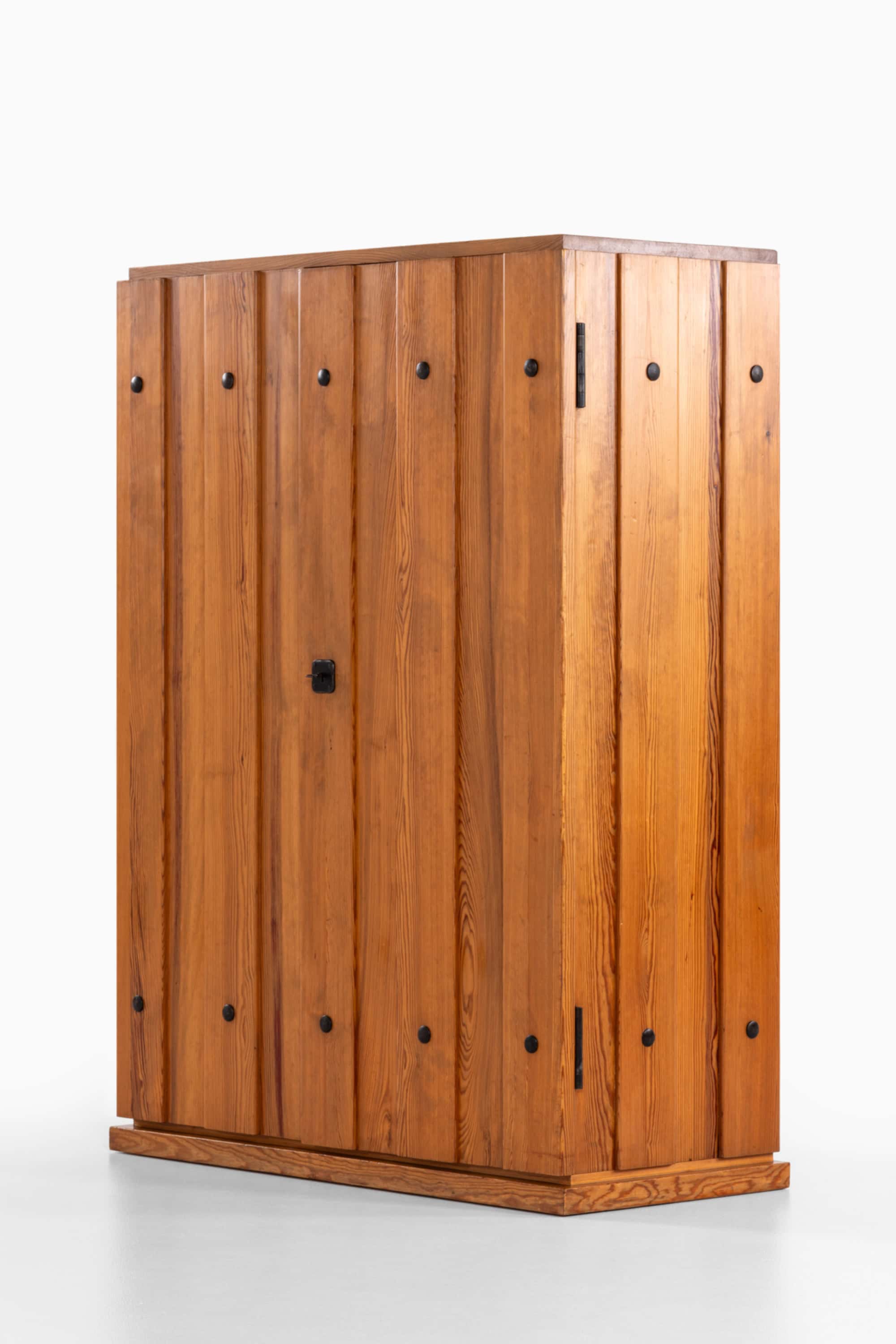
Rare cabinet from the Sportseries, designed by Axel Einar Hjorth for Nordiska Kompaniet (NK) in Sweden. The model dates specifically to 1933: Hjorth’s drawing for the Sport cabinet is recorded in the NK archive and dated 6 March 1933, with drawing number 37106 documented on another known example.
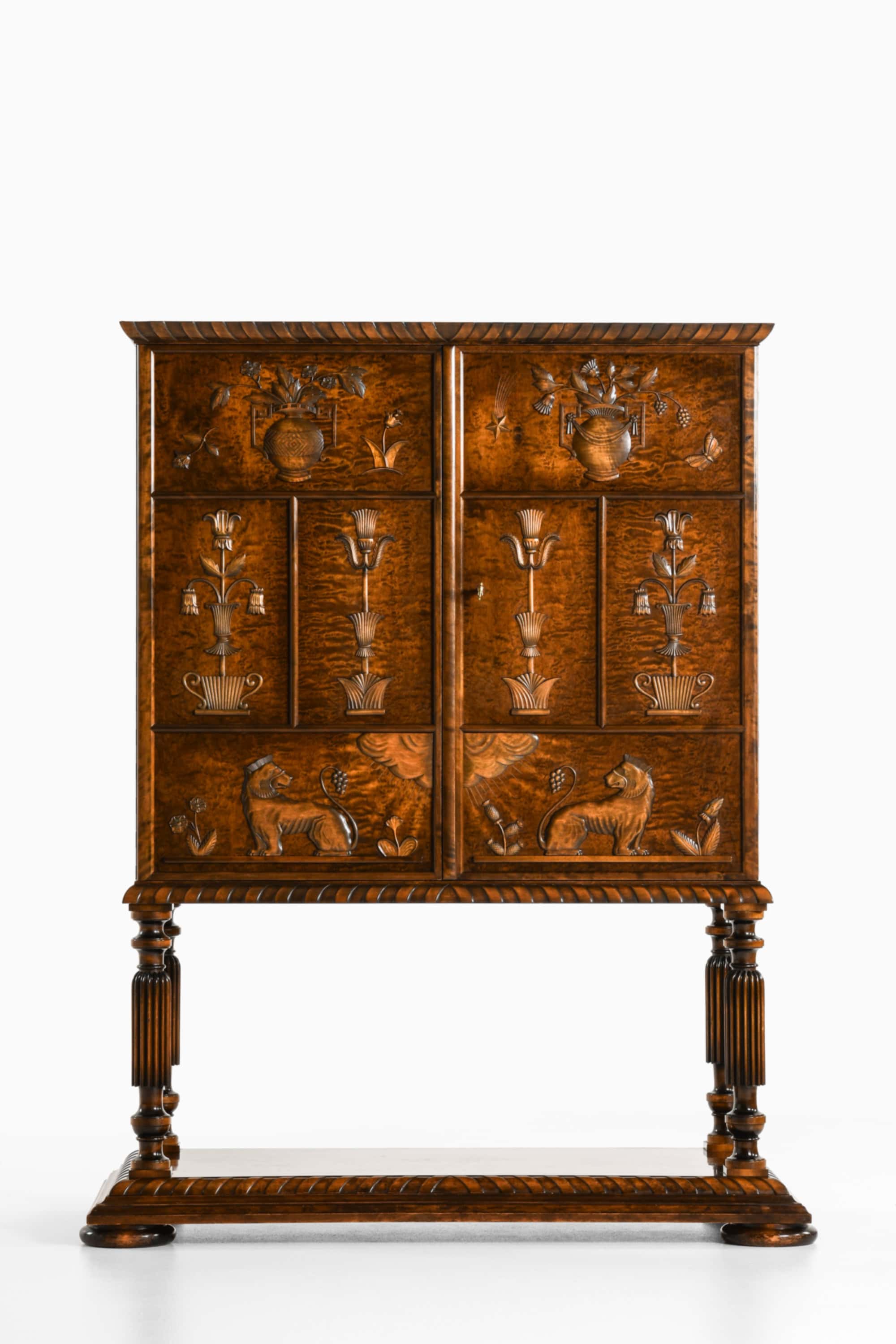
Executed in acid-stained pine, the cabinet belongs to Hjorth’s celebrated Sportstugemöbler—furniture conceived for the increasingly popular Swedish weekend and summer cottages of the interwar period. The group represented a striking departure from the luxurious furniture Hjorth simultaneously designed for NK. Beginning in 1929, he developed robust furniture in comparatively humble materials such as pine, giving rise to series including Sandhamn, Utö, Lovö and, later, Sport.
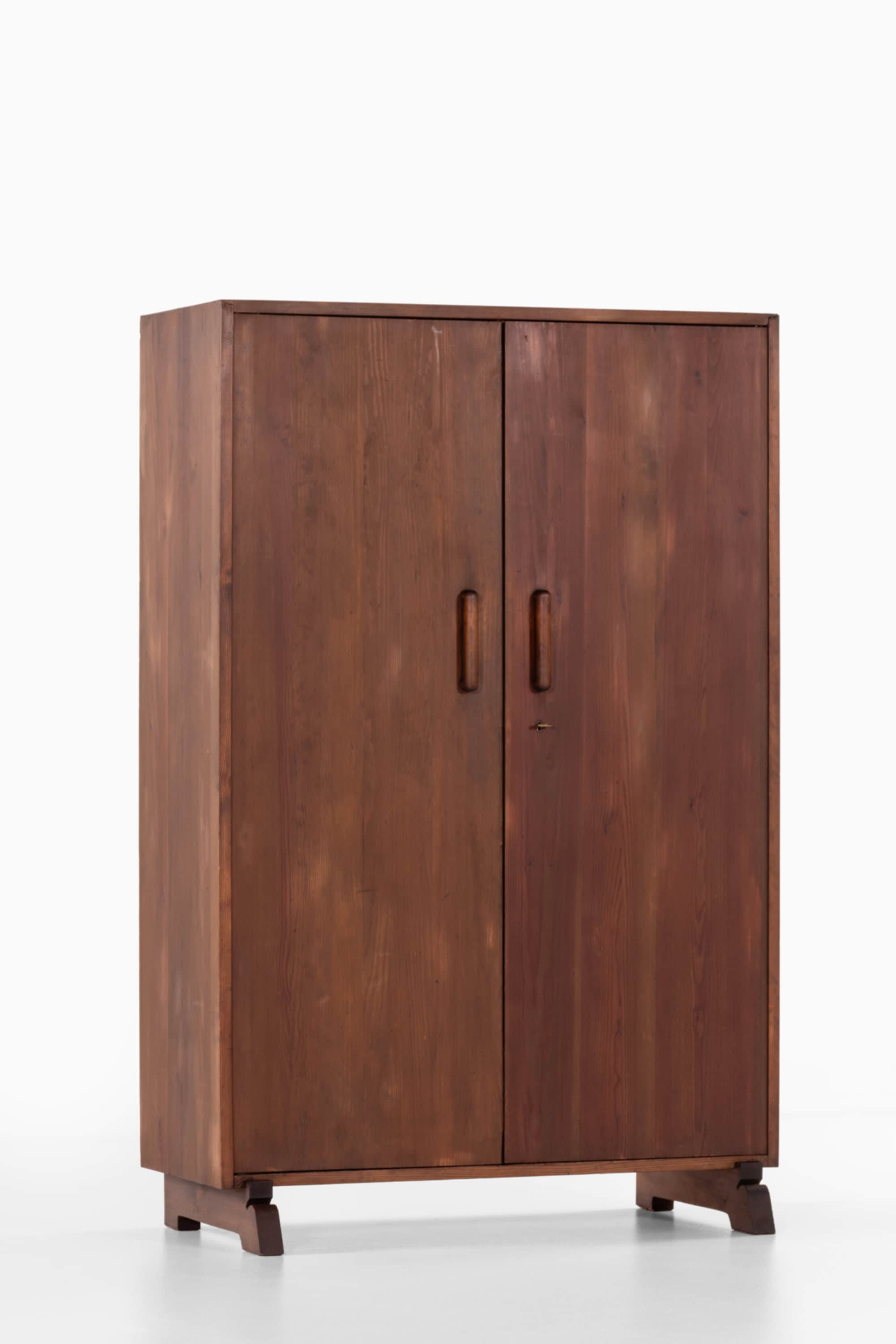
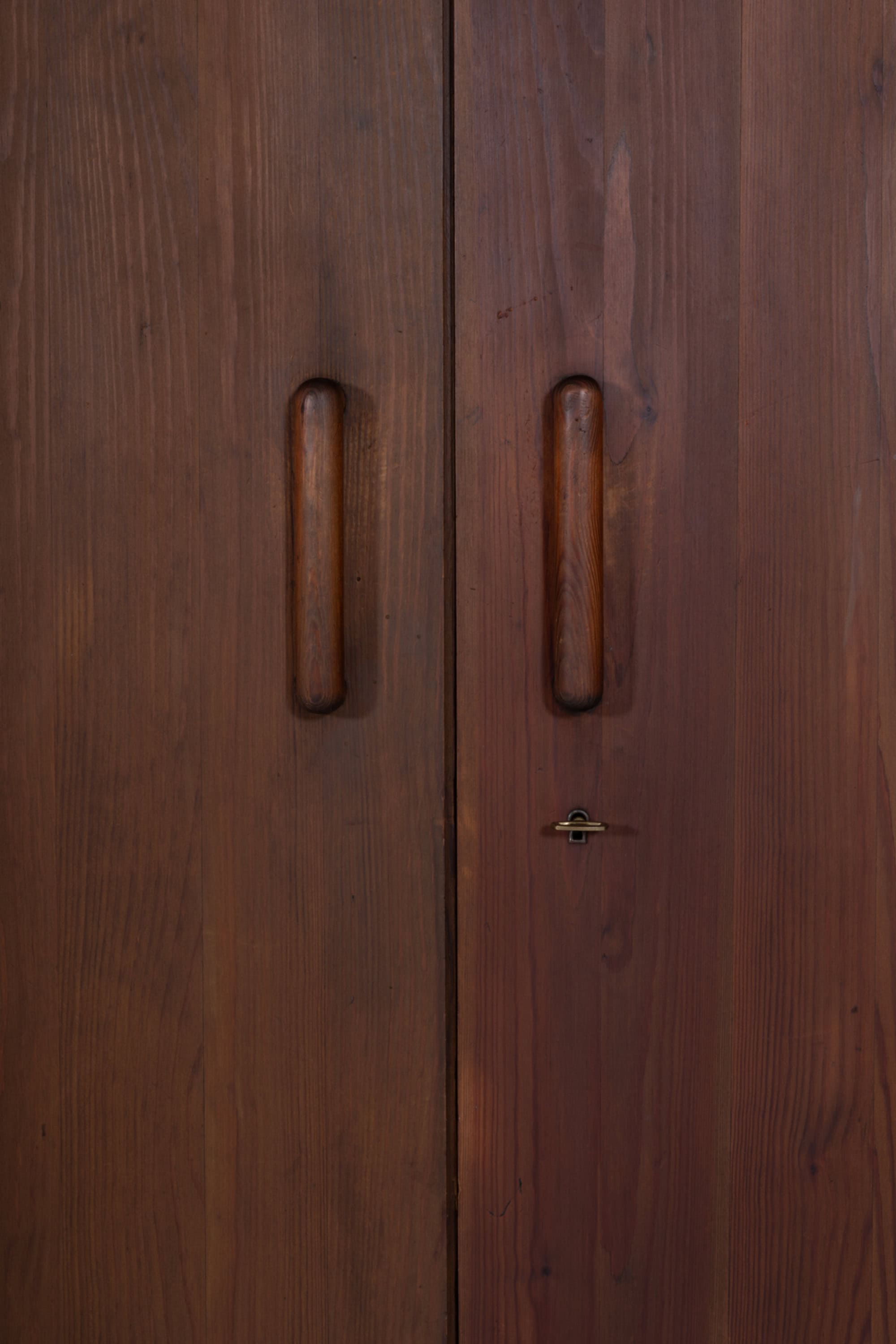
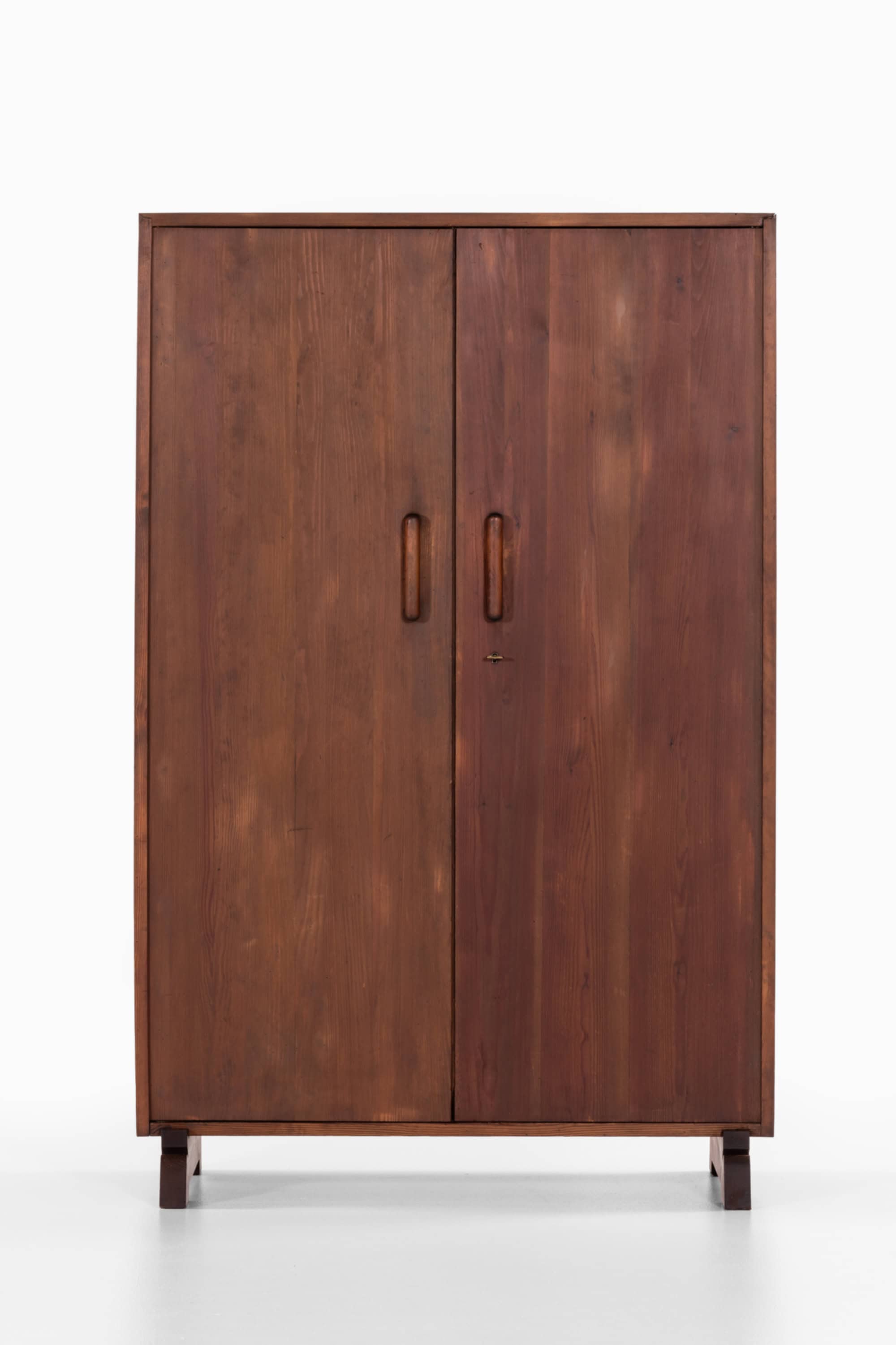
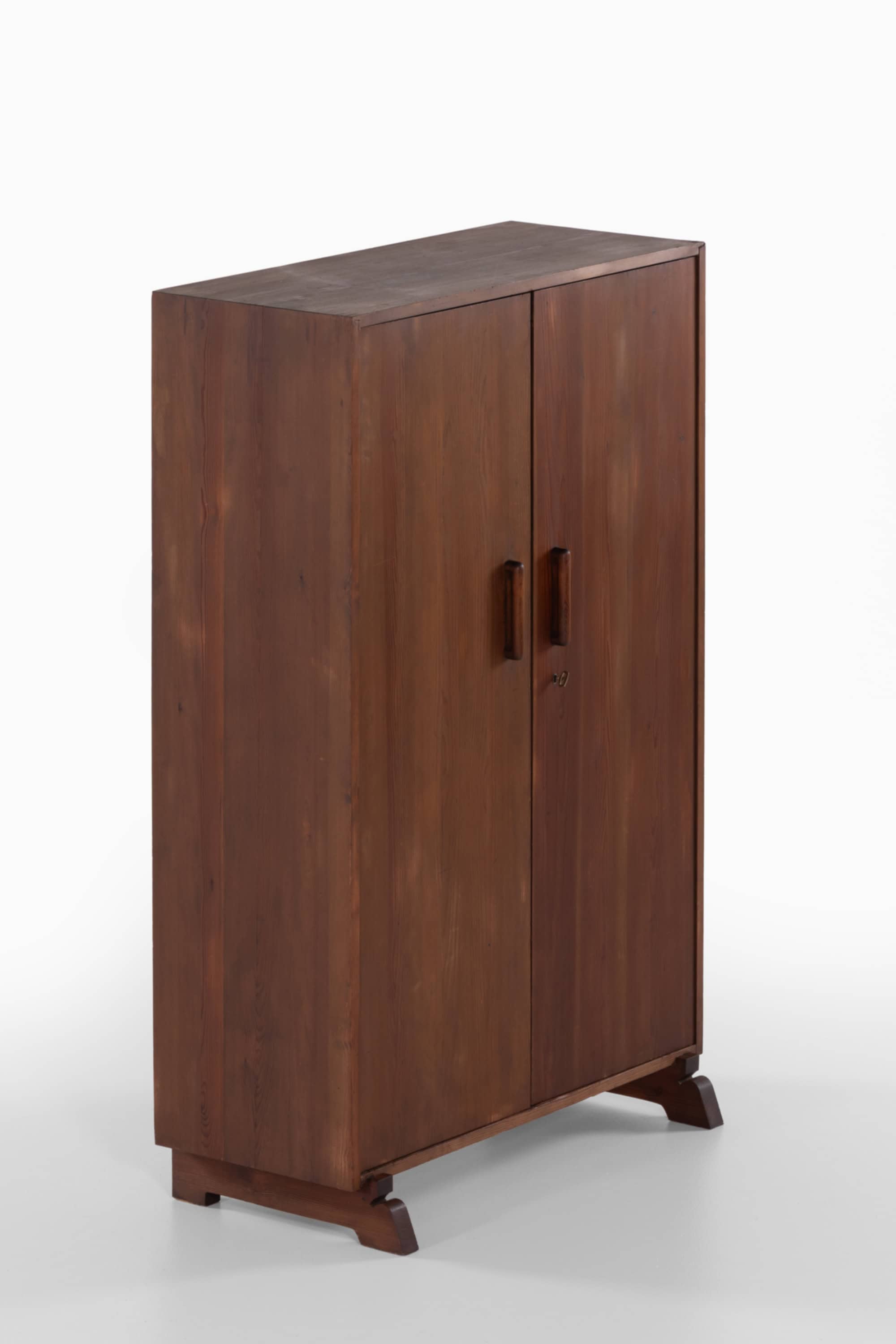
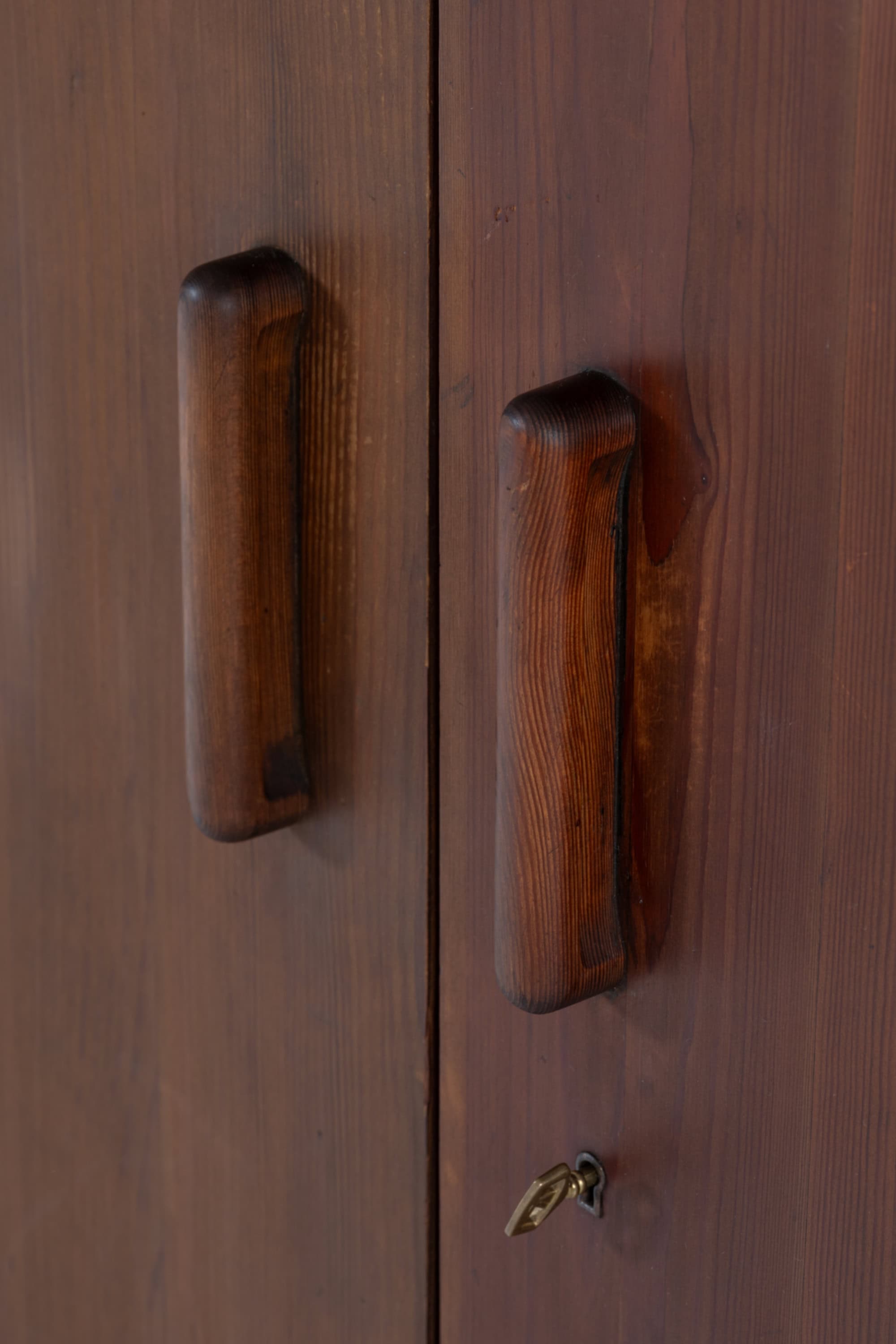
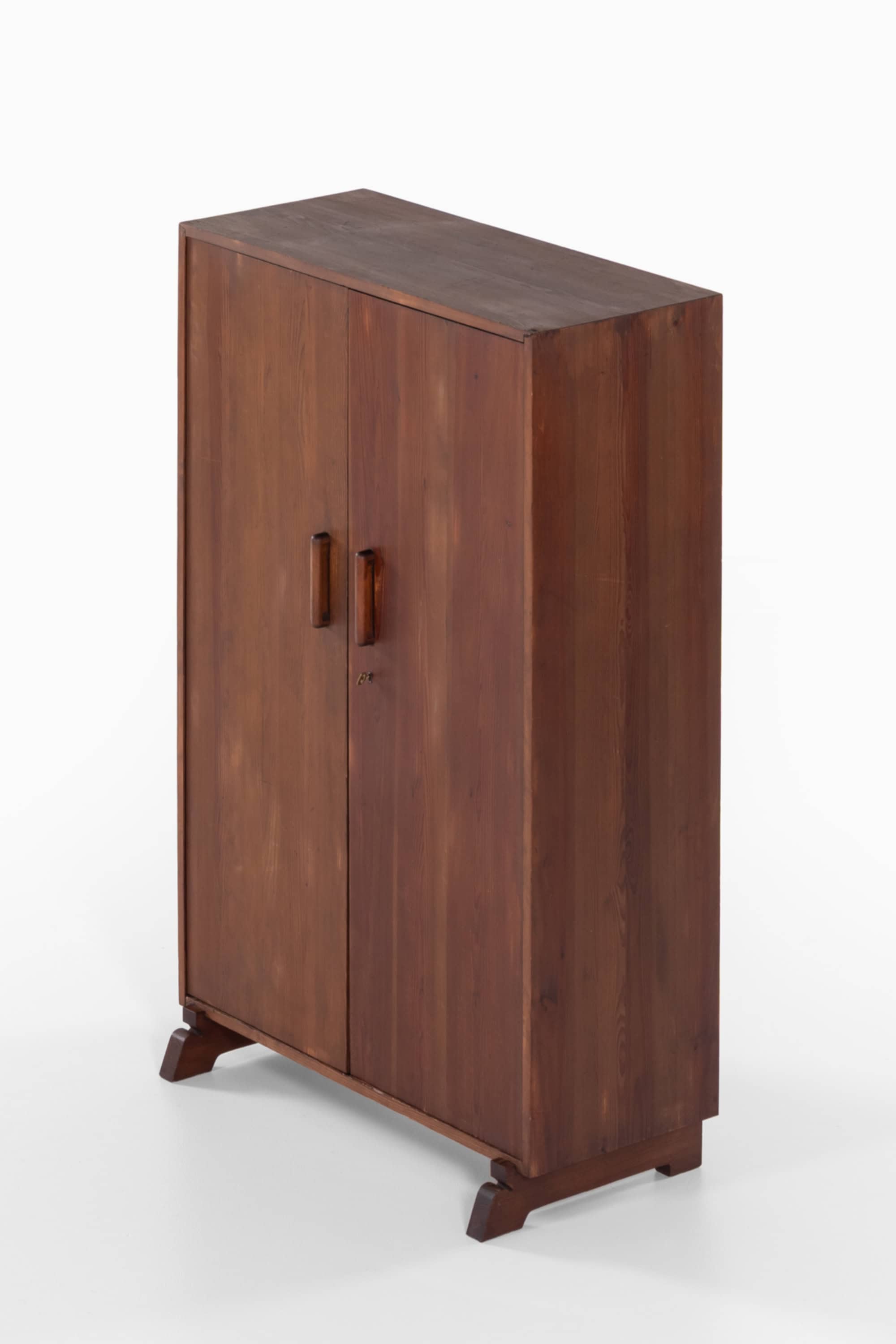
The cabinet has a deliberately restrained architectural form. Two tall, unembellished doors occupy almost the entire façade, framed by the projecting edges of the carcass. Their broad expanses of stained pine emphasize the irregular grain, knots and tonal variations of the timber. Two substantial vertical wooden handles with softly rounded ends provide the principal sculptural detail to the front. A small lock with key is positioned beneath the right-hand handle.
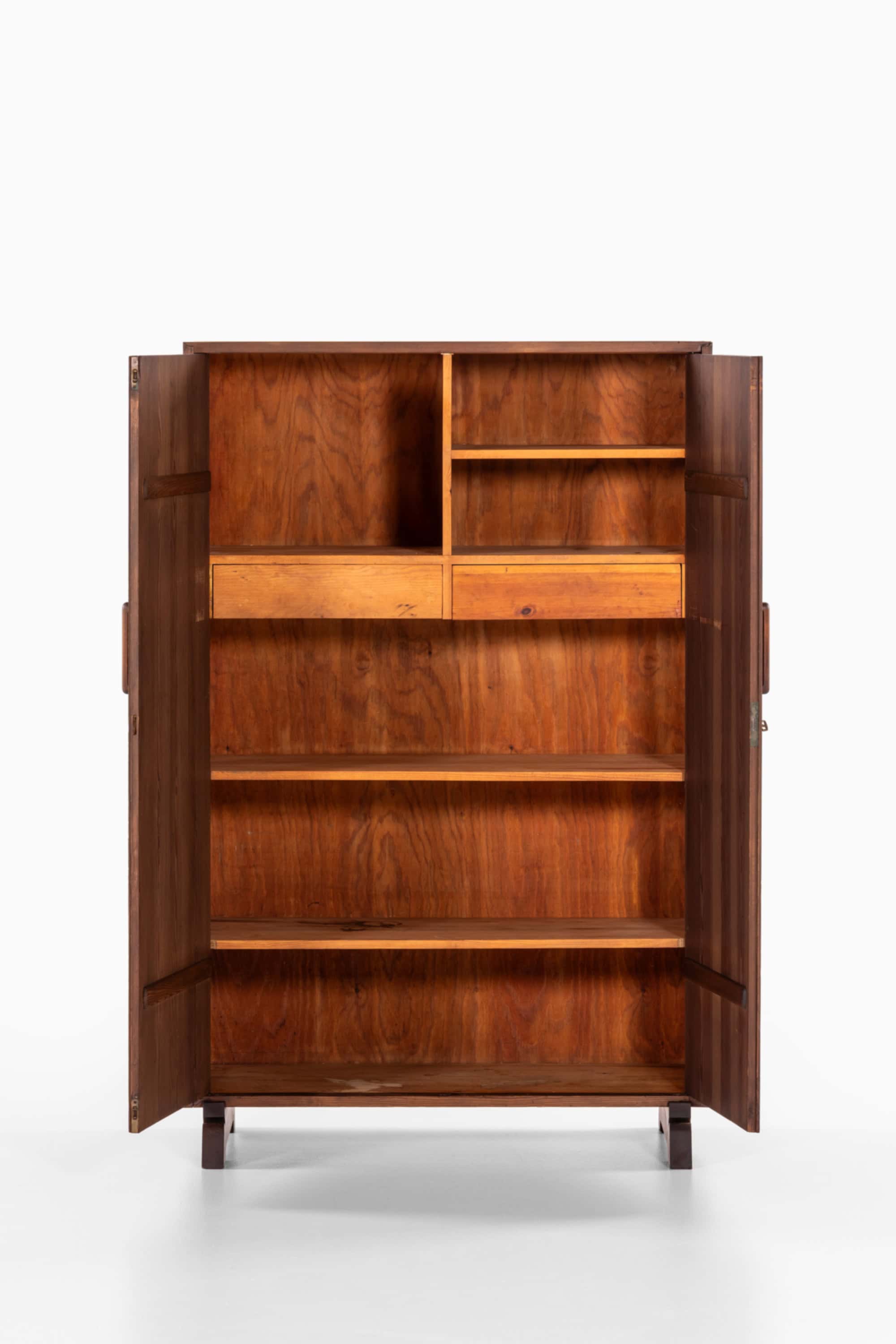
Behind the doors is a practical interior organized around open storage. The upper section incorporates two small drawers, an open compartment to the left and a smaller shelved compartment to the right. Below are two broad shelves extending across the cabinet. This arrangement corresponds closely with documented examples of the Sport cabinet, described as having shelving and two smaller drawers.
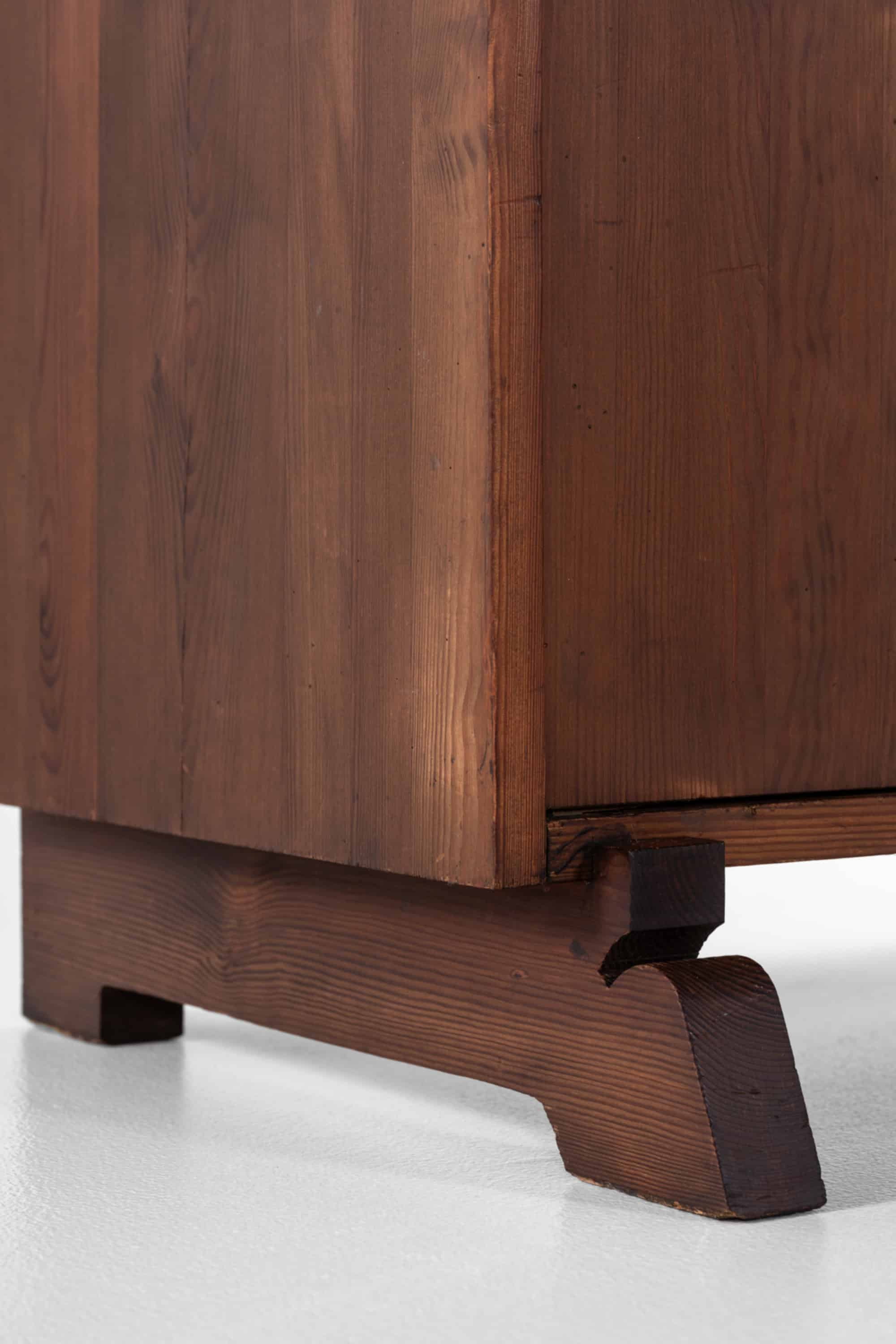
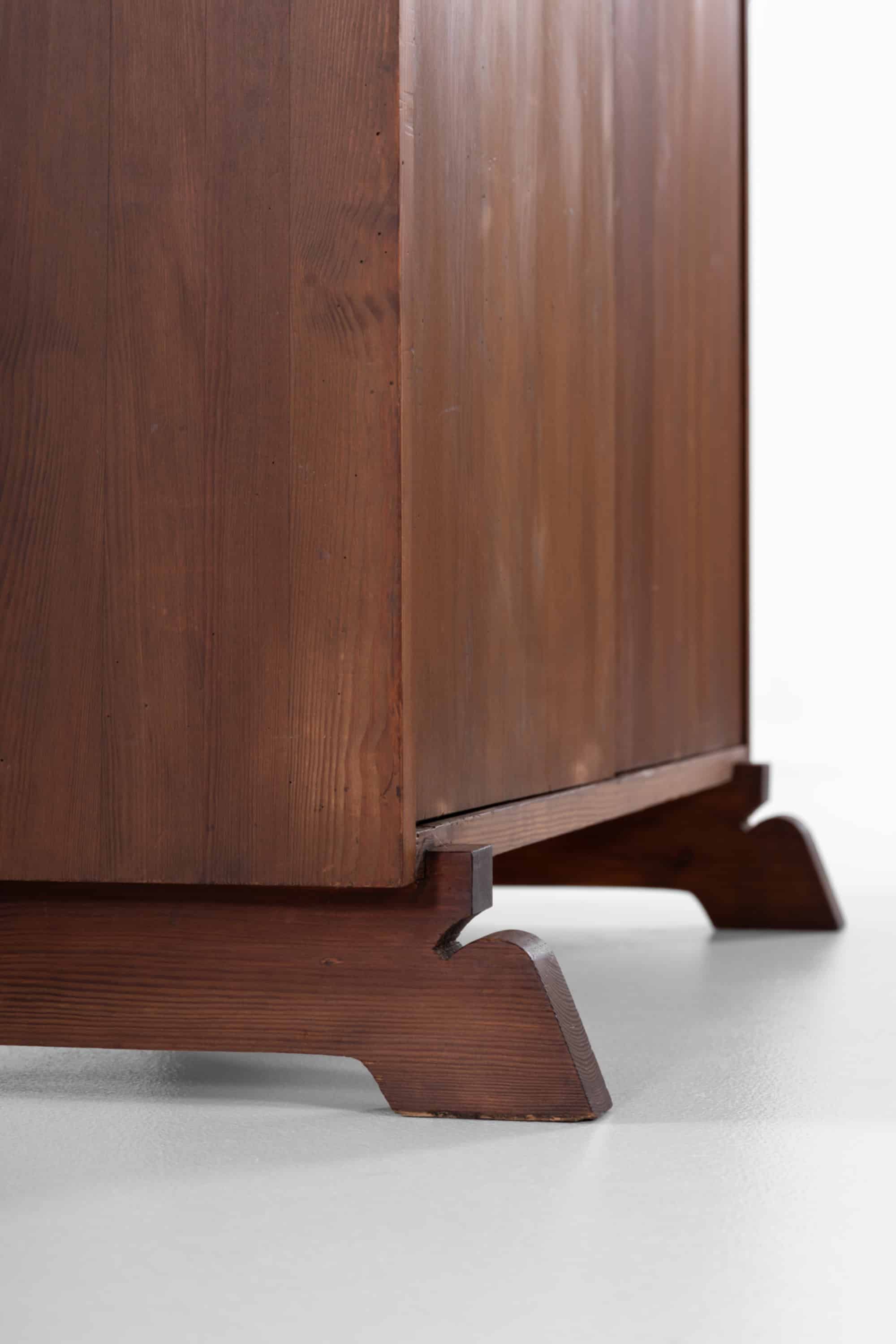
Particularly characteristic is the cabinet’s base. Rather than resting on conventional individual legs, the rectangular body is carried by two transverse pine supports whose ends are boldly shaped into outward-projecting feet. The transition between cabinet and base is openly expressed rather than disguised. These heavy, almost primitive-looking supports introduce a strong horizontal counterpoint to the otherwise vertical composition and exemplify the direct construction that defines Hjorth’s Sportstugemöbler.
Hjorth’s cottage furniture occupies an unusual position within Swedish modernism. Its simplified construction and concern with function correspond with contemporary functionalist ideas, yet its massive pine, conspicuous grain and rustic character resist the polished industrial aesthetic commonly associated with early Scandinavian modernism. The furniture instead draws much of its visual force from the inherent character of the material and from construction that remains readily understandable to the eye.
The Sport series dates from 1933 and formed part of this wider development. Hjorth had begun designing his first rustic cottage furniture in 1929, the same year NK presented his considerably more luxurious work at the Barcelona International Exposition. The contrast illustrates the remarkable breadth of his work for Nordiska Kompaniet. Hjorth served as NK’s chief architect from 1927 until 1938, during which time he became one of the central figures in Swedish furniture design between the wars.
The concept of Sportstugemöbler was closely connected with changing patterns of Swedish leisure. Purpose-built cottages outside the cities were becoming increasingly popular, creating demand for furniture appropriate to informal rural interiors. NK’s response was sturdy furniture in pine, deliberately distinct from the department store’s more exclusive urban collections. Sörmlands Museum describes Hjorth’s first Sandhamn furniture of 1929 as the starting point for the distinctive group that came to characterize NK’s cottage furniture during the 1930s.
The acid staining gives the pine a deep reddish-brown tone while leaving its pronounced grain clearly visible. Rather than attempting to make an inexpensive native timber imitate a more precious wood, the treatment intensifies the natural structure of the pine. The resulting combination of elemental construction, substantial proportions and richly patinated surfaces has become one of the most recognizable aspects of Hjorth’s work from this period.
This example remains in good vintage condition with substantial signs of use and a pronounced patina consistent with its age and utilitarian origins. The surfaces display scratches, marks, rubbing, discoloration and variations in the stained finish. There is visible wear to edges, corners, handles and feet, together with traces of long-term use to the interior. These characteristics contribute to the cabinet’s strongly aged surface and are particularly sympathetic to the intentionally rustic nature of the Sport series.
Dimensions: 100 × 45 × 155 cm (39.4 × 17.7 × 61 in)
Dimensions (cm) | W: 100 / D: 45 / H: 155 |
| Producer | NK Nordiska Kompaniet |
| Decade | 1930s |
| Country | Sweden |
| Style | Rustic |
| Material | Pine |
| Designed in | 1930s |
| Item Number | 250781 |
Axel Einar Hjorth
Axel Einar Hjorth (1888–1959) was a Swedish furniture designer and architect whose stylistic range and prolific output made him one of the most versatile and dynamic figures in early 20th-century Scandinavian design. Best known for his luxurious...
Read more