



Børge Mogensen cabinet
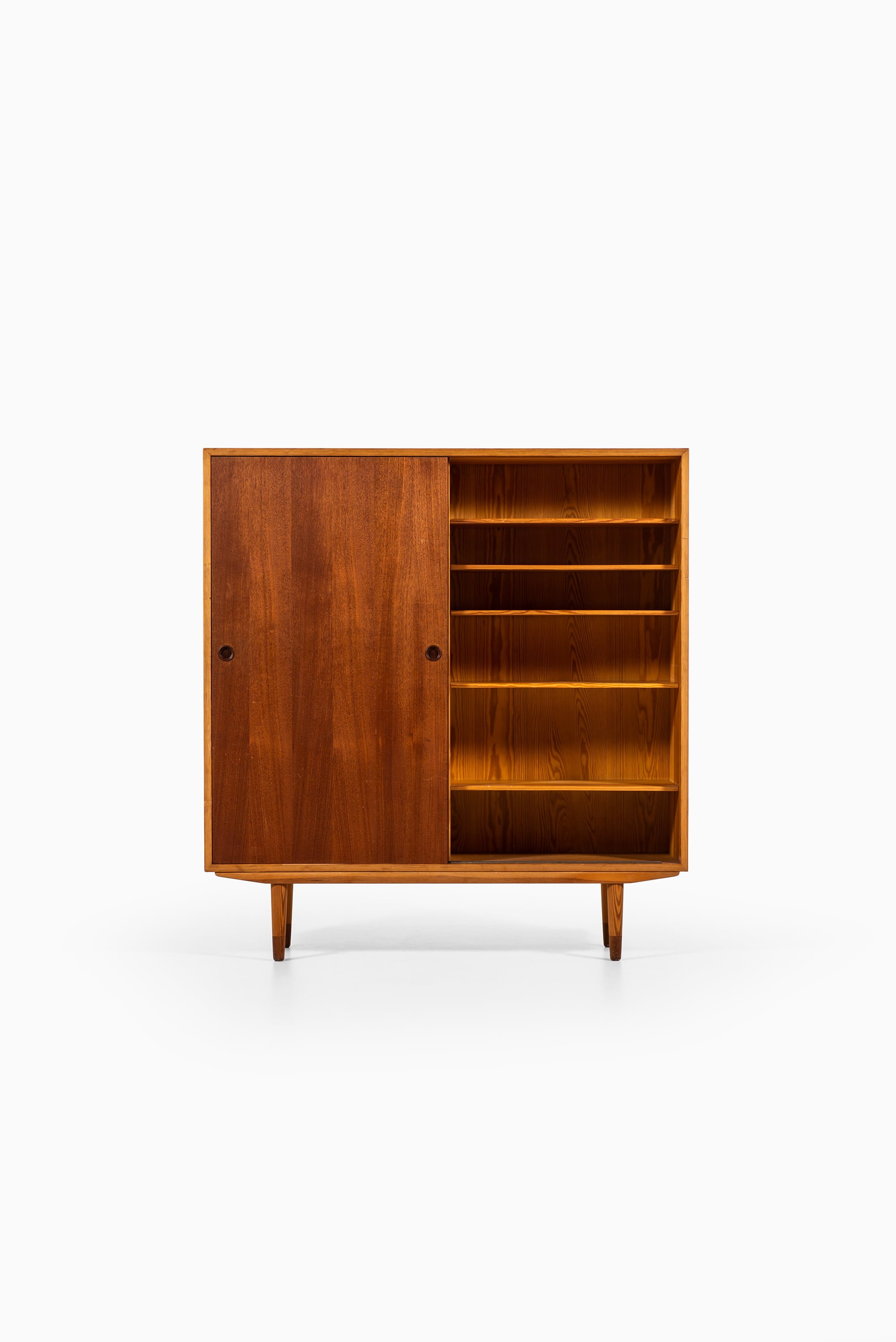
A very rare and early cabinet designed by Børge Mogensen and produced by Karl Andersson & Söner in Sweden during the 1950s. This exceptional piece reflects Mogensen’s enduring philosophy of functional beauty—where simplicity, structure, and craftsmanship coexist in perfect balance.
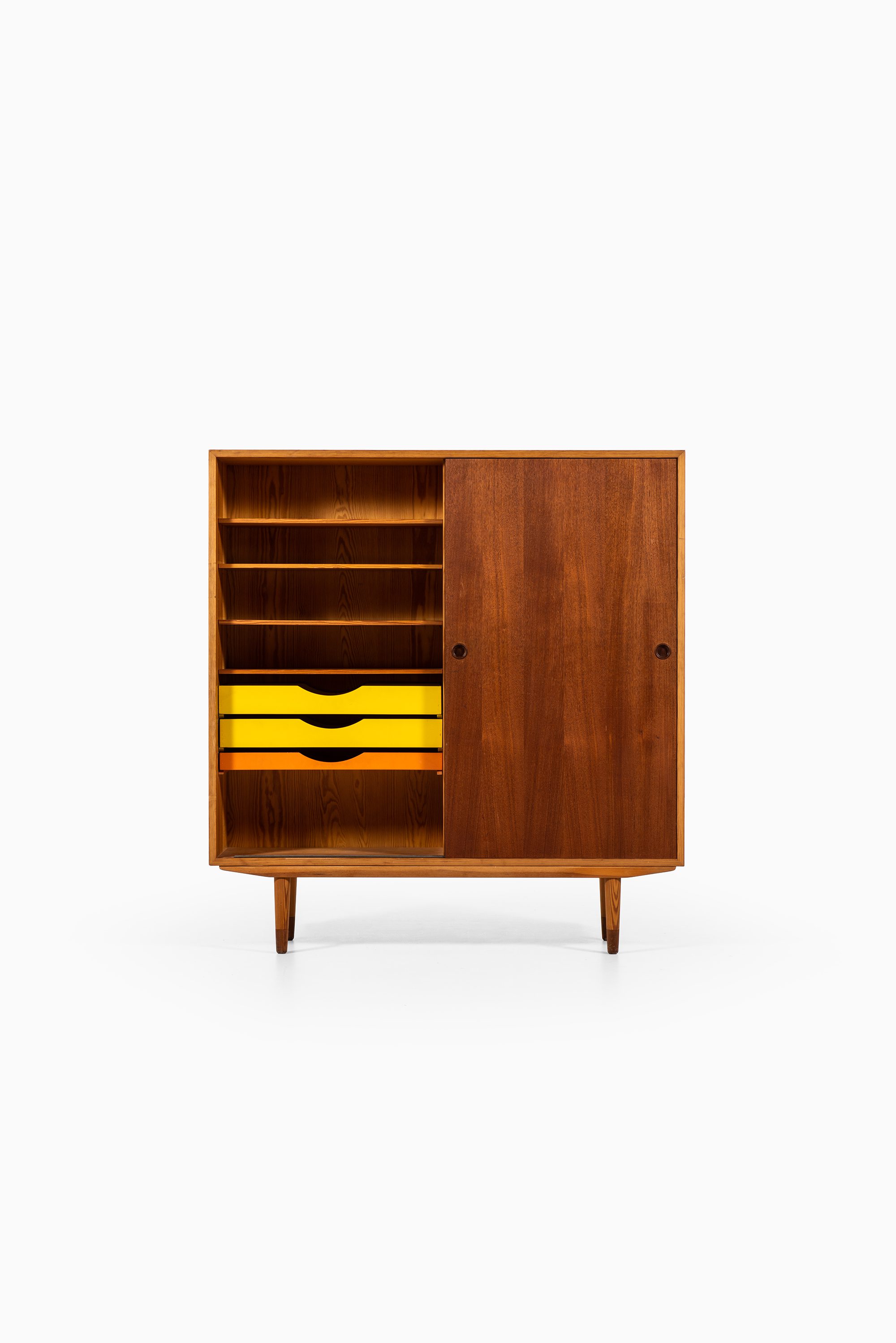
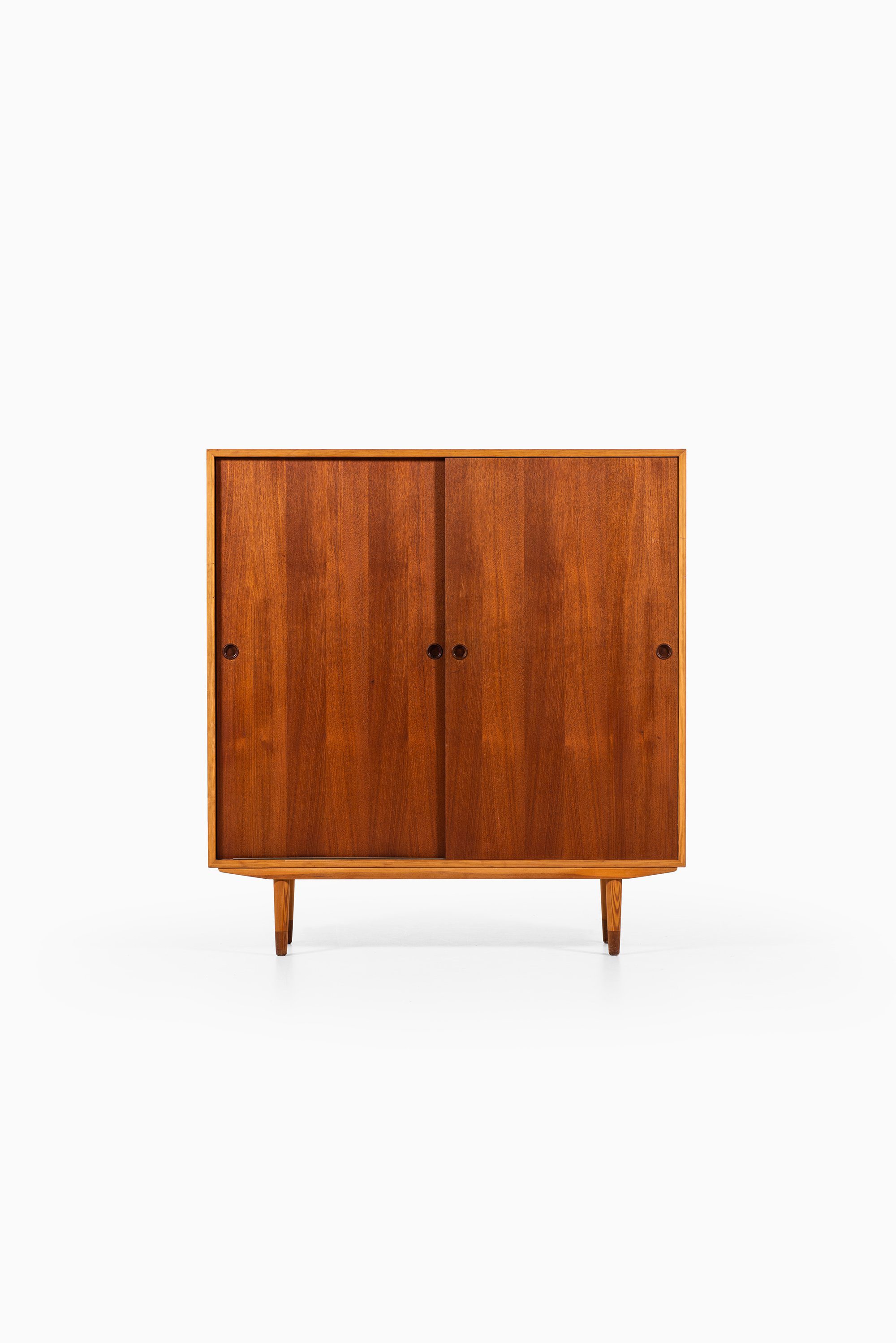
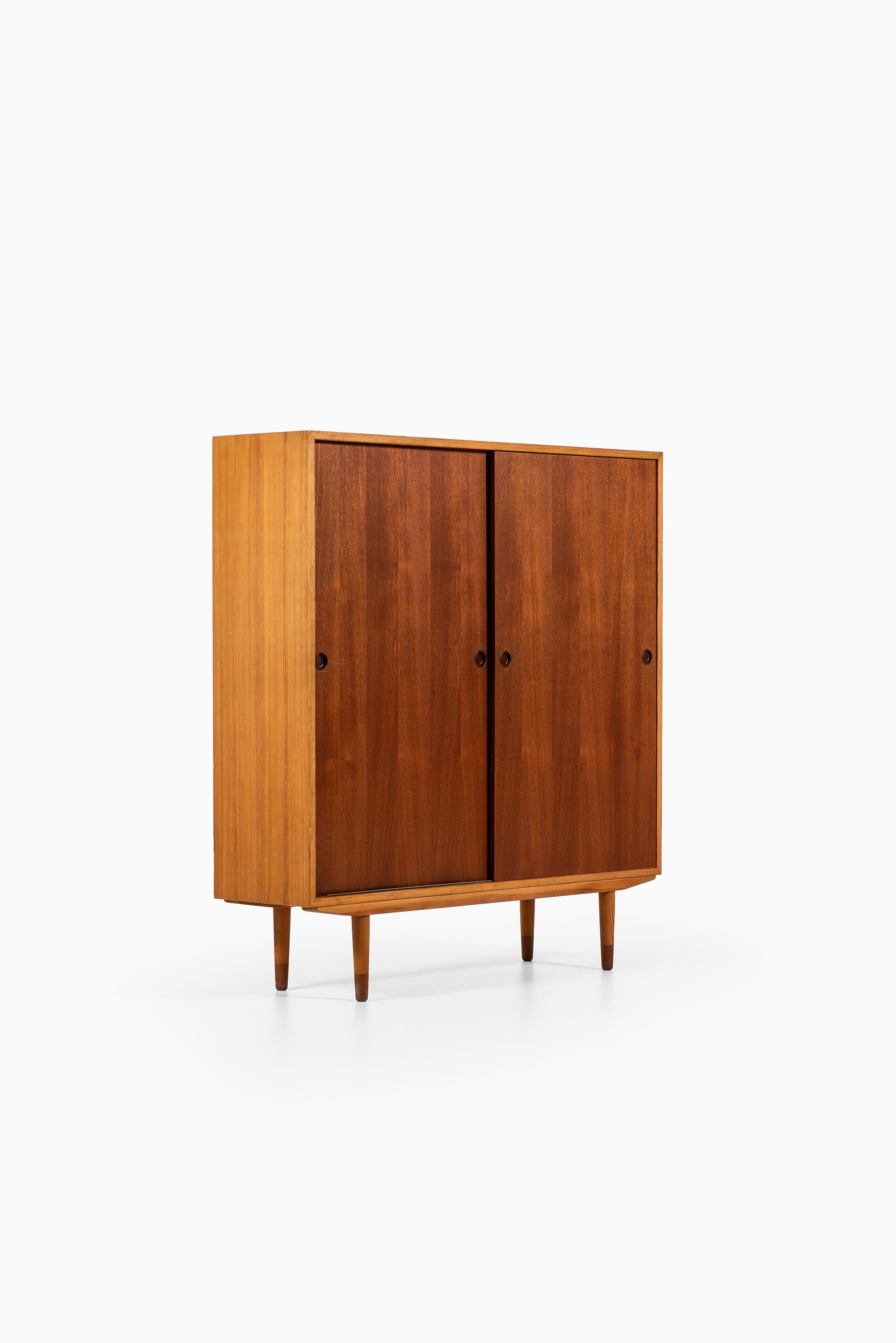
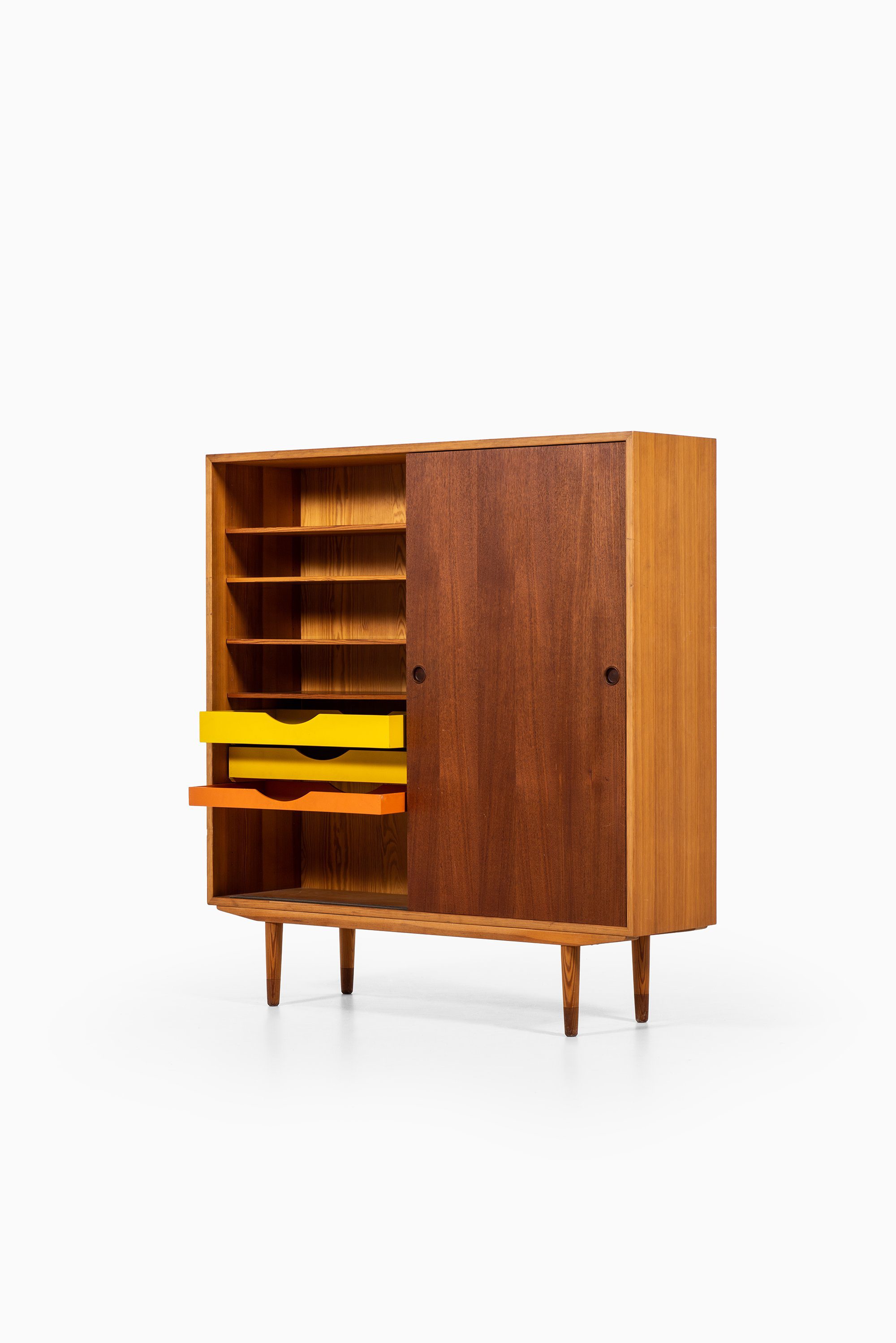
Constructed in Oregon pine with sliding doors in teak, the cabinet demonstrates a masterful interplay of materials and color. Behind one door, the interior reveals a sequence of vivid painted drawers in yellow and orange, introducing a playful yet refined contrast to the natural wood tones. This subtle burst of color exemplifies the quiet optimism of Scandinavian design during the postwar period—where warmth, practicality, and aesthetic clarity shaped the modern interior.
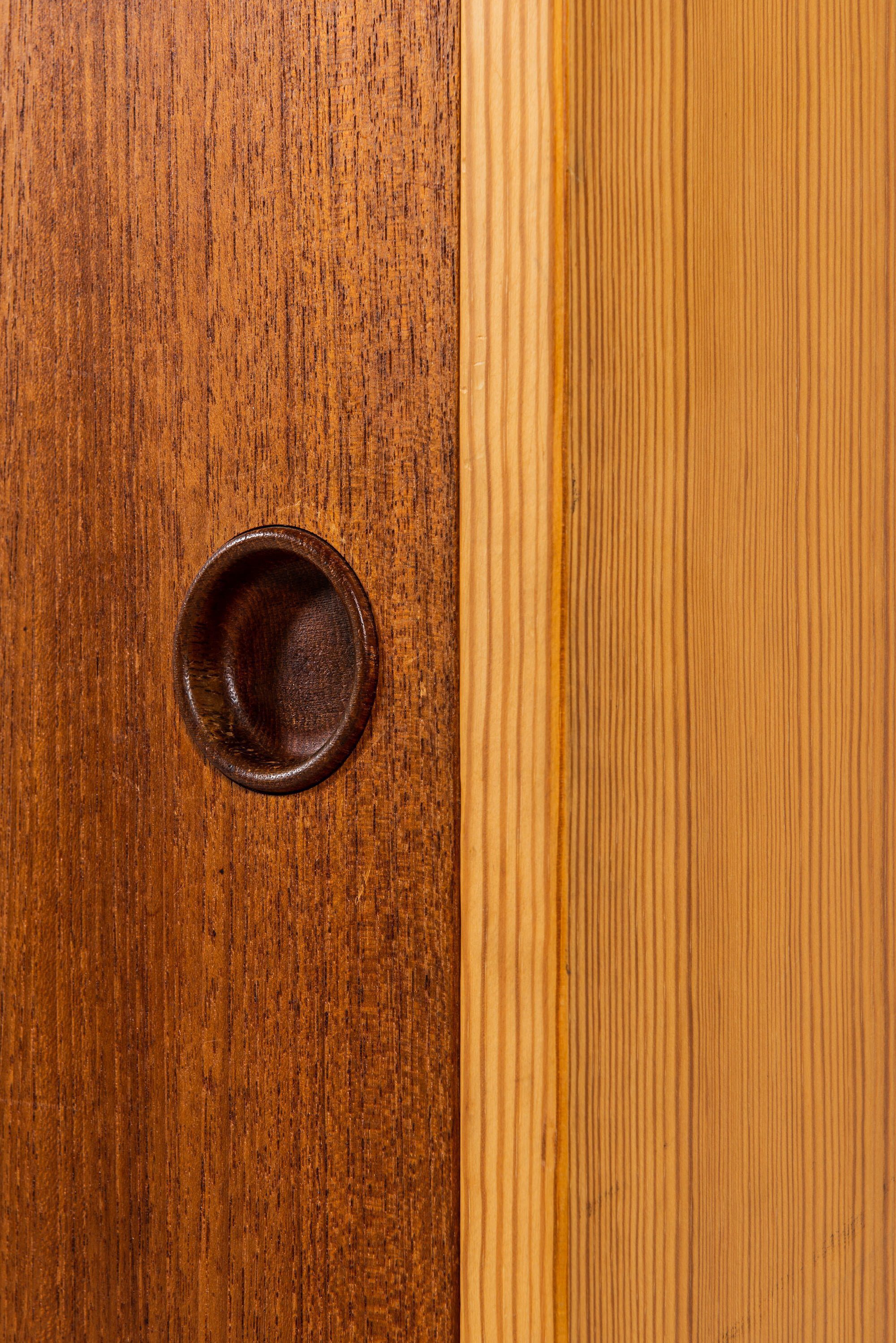
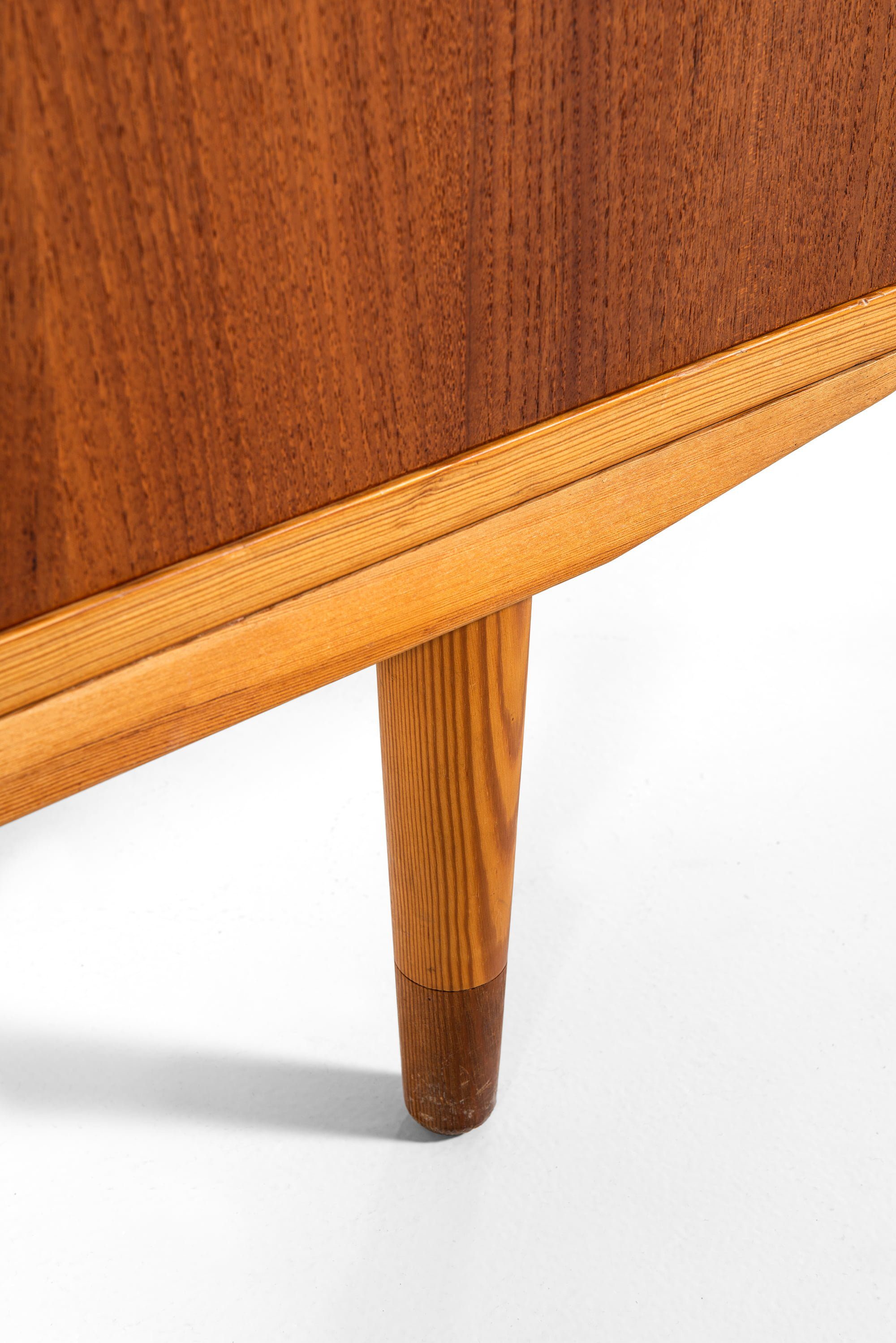
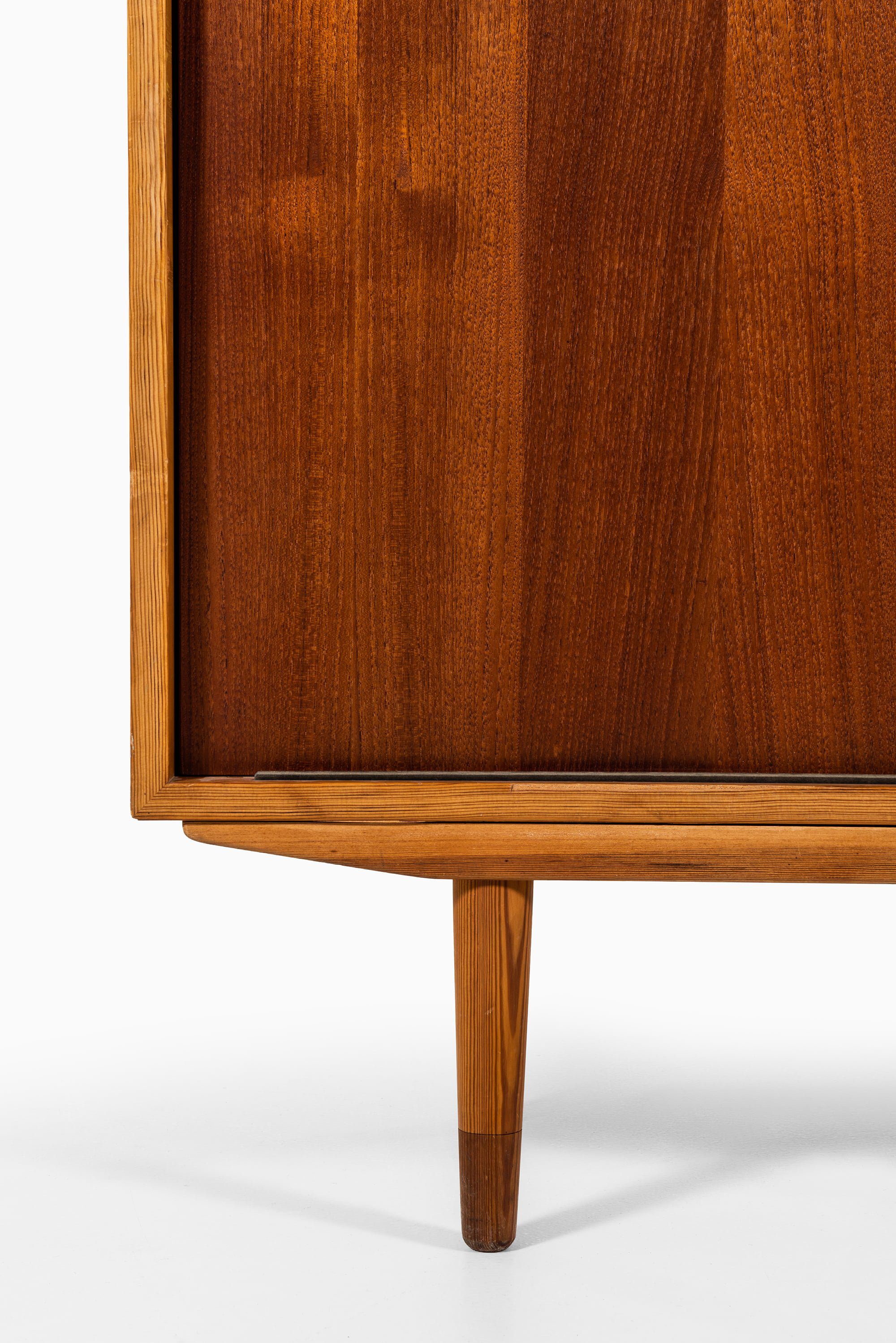
The structure is characterized by clean lines and architectural proportion, with carefully considered details such as rounded edges, recessed handles, and elegantly tapered legs. The open shelving section provides flexible display and storage, while the enclosed compartment allows for visual order. The craftsmanship is precise and honest, emphasizing Mogensen’s devotion to utility without excess.
This cabinet remains in good vintage condition, showing signs of age and a beautiful, authentic patina that enhances its character. Both as a historical object and a timeless furnishing, it represents an important early expression of Mogensen’s design language—functional, human, and enduringly modern.
Dimensions are 135 cm wide, 36 cm deep, and 143 cm high (53.1 x 14.2 x 56.3 in)
Dimensions (cm) | W: 135 / D: 36 / H: 143 |
| Producer | Karl Andersson & Söner |
| Color | Orange, Yellow |
| Decade | 1950s |
| Country | Sweden |
| Style | Mid Century, Scandinavian Modern |
| Material | Oregon pine, Teak |
| Designed in | 1950s |
| Item Number | 107768 |
Børge Mogensen
Børge Mogensen (1914–1972) was one of the most important and influential figures in Danish modern design. Known for his functional, democratic, and human-centered furniture, Mogensen helped shape the visual identity of mid-century Scandinavian ...
Read more