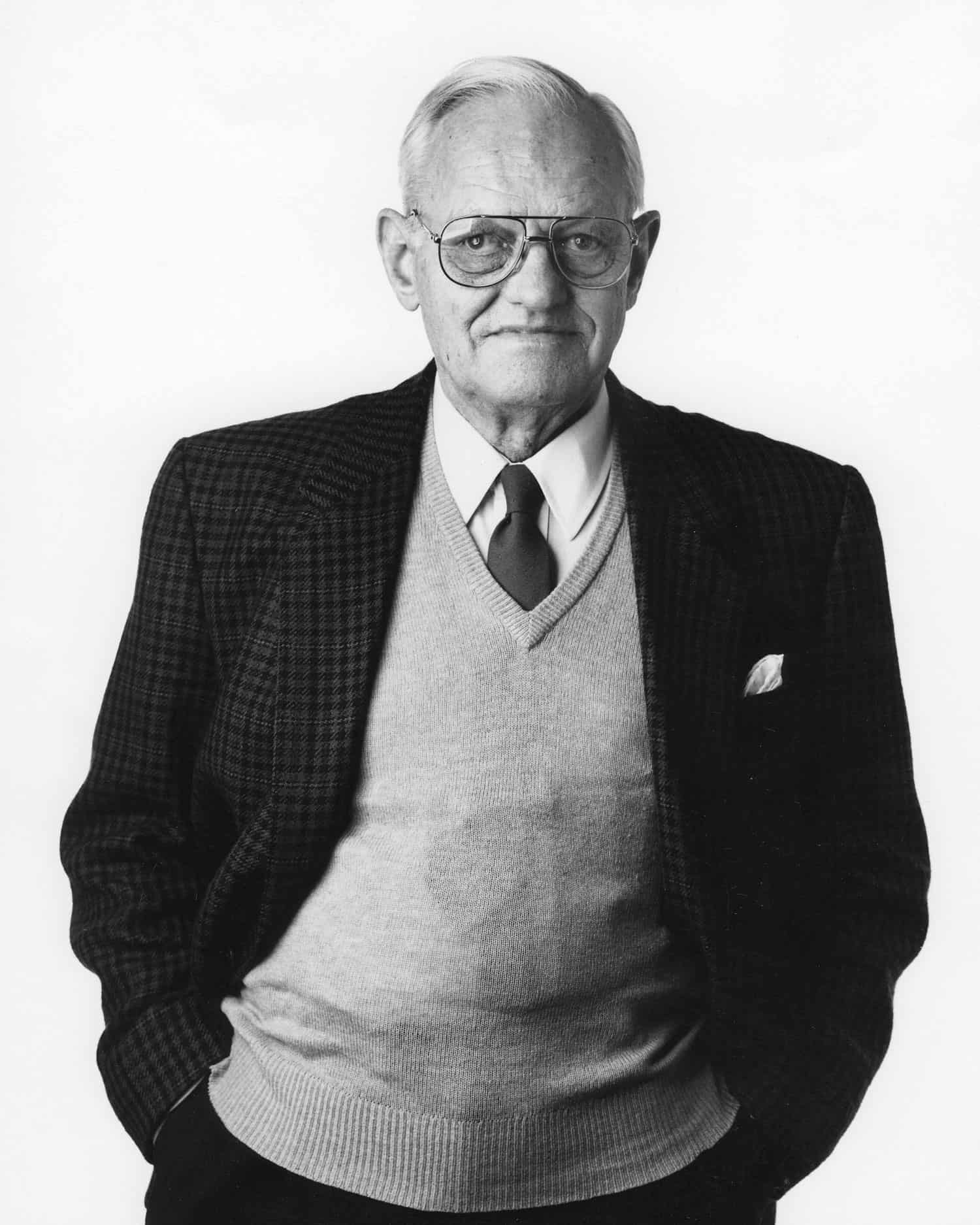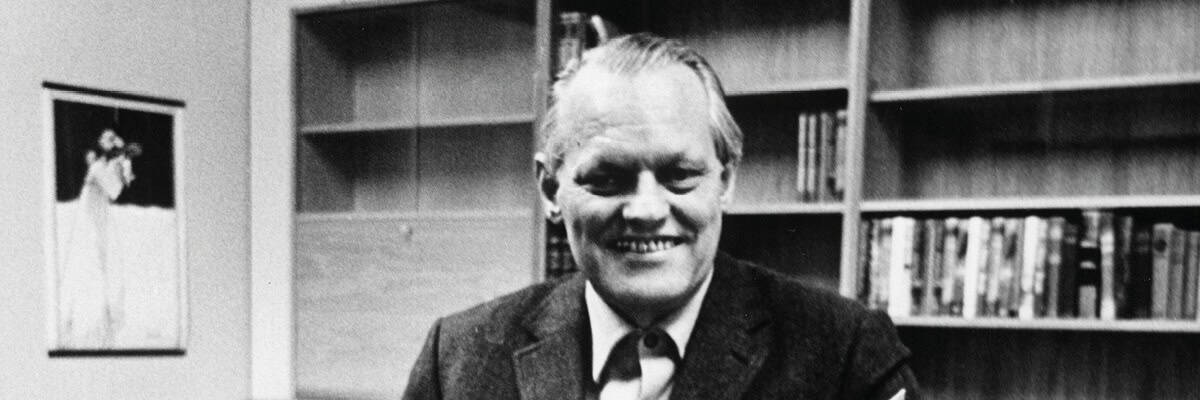
Erik Wørts
Erik Wørts (1916–1997) was a Danish furniture designer and interior architect who played an important role in the development of Scandinavian modern furniture design. Combining traditional cabinetmaking with modern industrial production, he became particularly recognized for his contributions to flat-pack furniture and his long-standing collaboration with IKEA. His designs were characterized by functional construction, clean lines and an emphasis on accessible, well-crafted furniture.
Biography
Born in Copenhagen in 1916, Erik Wørts grew up in a family of cabinetmakers and began his career as an apprentice in his father's workshop, Wørts Møbelsnedkeri. He studied at the Danish School of Arts and Crafts in Copenhagen, graduating in 1937, before returning to the family business to design and produce furniture. Several of his early works were presented at the annual Copenhagen Cabinetmakers' Guild exhibitions.
In 1944, Wørts moved to Sweden to work for Nordiska Kompaniet (NK), where he collaborated with designer Elias Svedberg on the Triva furniture collection. The series was among the earliest examples of flat-pack furniture in Sweden, and Wørts contributed particularly to its construction and technical development. This experience established his interest in combining traditional craftsmanship with efficient manufacturing methods.
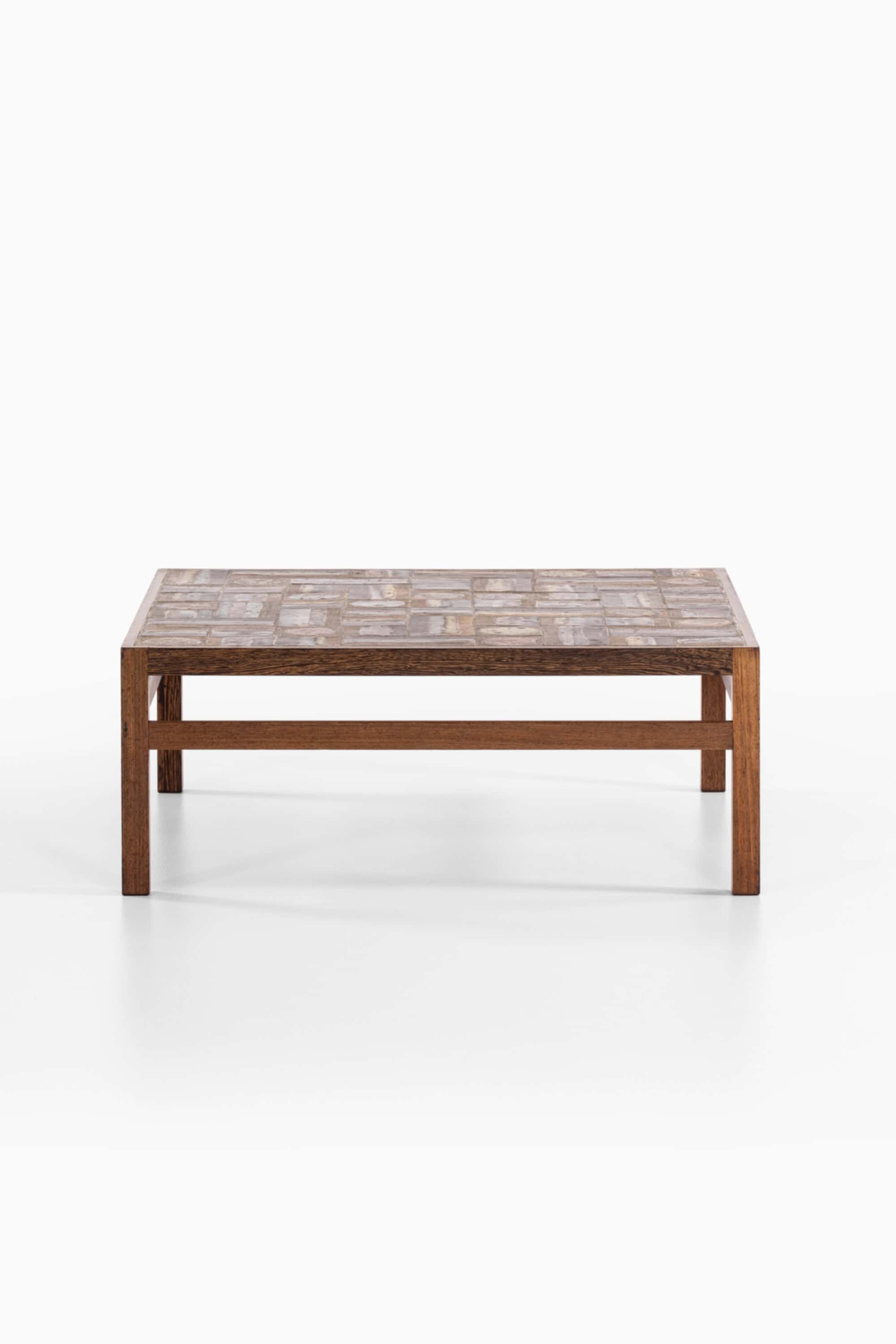
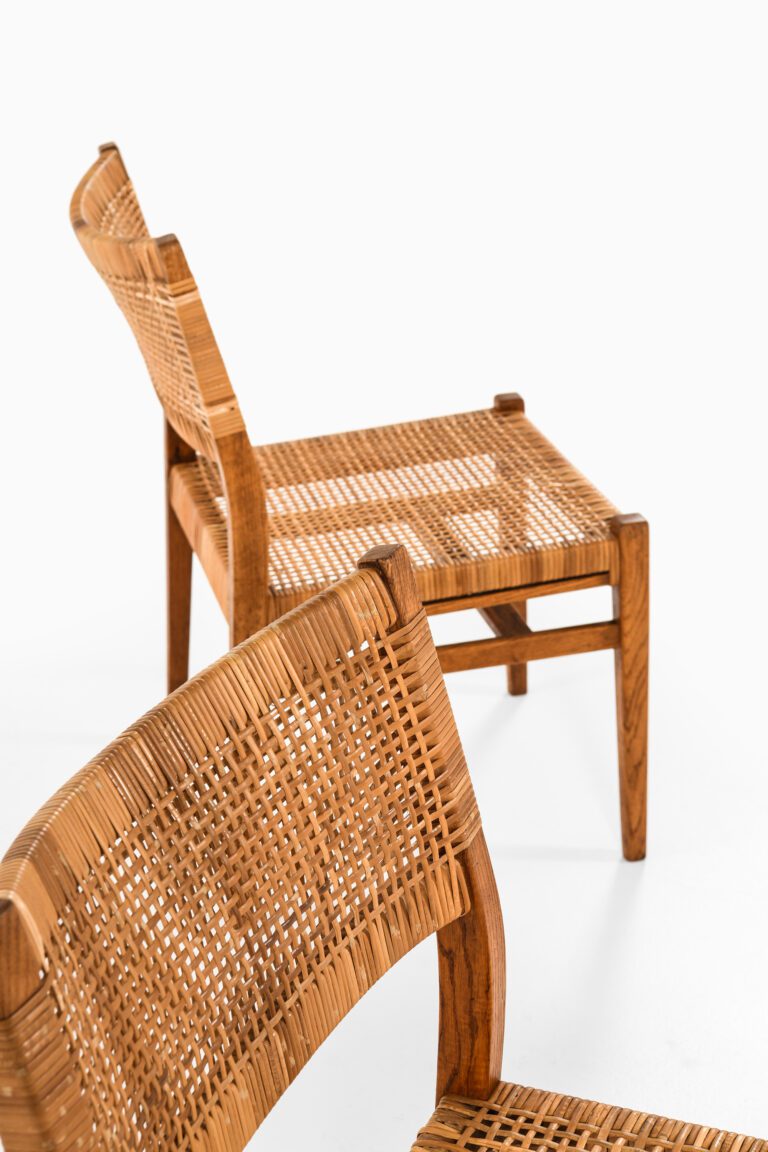
During the 1950s, Wørts designed furniture for several Danish manufacturers, including Eilersen, before beginning his collaboration with IKEA in 1958. His first design for the company, the DANSKE sideboard, was introduced in 1960. Over the following decades, he developed numerous chairs, tables, sofas and storage pieces, helping shape IKEA's approach to affordable, functional furniture.
Among his notable designs were the GRÅBO sofa bed from 1963, the FLORENS furniture series from 1964 and the LENA bentwood chair from 1968. His POP 68 collection introduced a more colourful and experimental direction, incorporating lacquered particleboard and flexible constructions intended for contemporary interiors.
Wørts continued designing furniture throughout the 1980s and 1990s, maintaining his commitment to functionality, material efficiency and accessible production. He died in 1997, leaving an important legacy in both Danish and Swedish furniture design. His work remains closely associated with the development of modern flat-pack furniture and the wider international success of Scandinavian design.