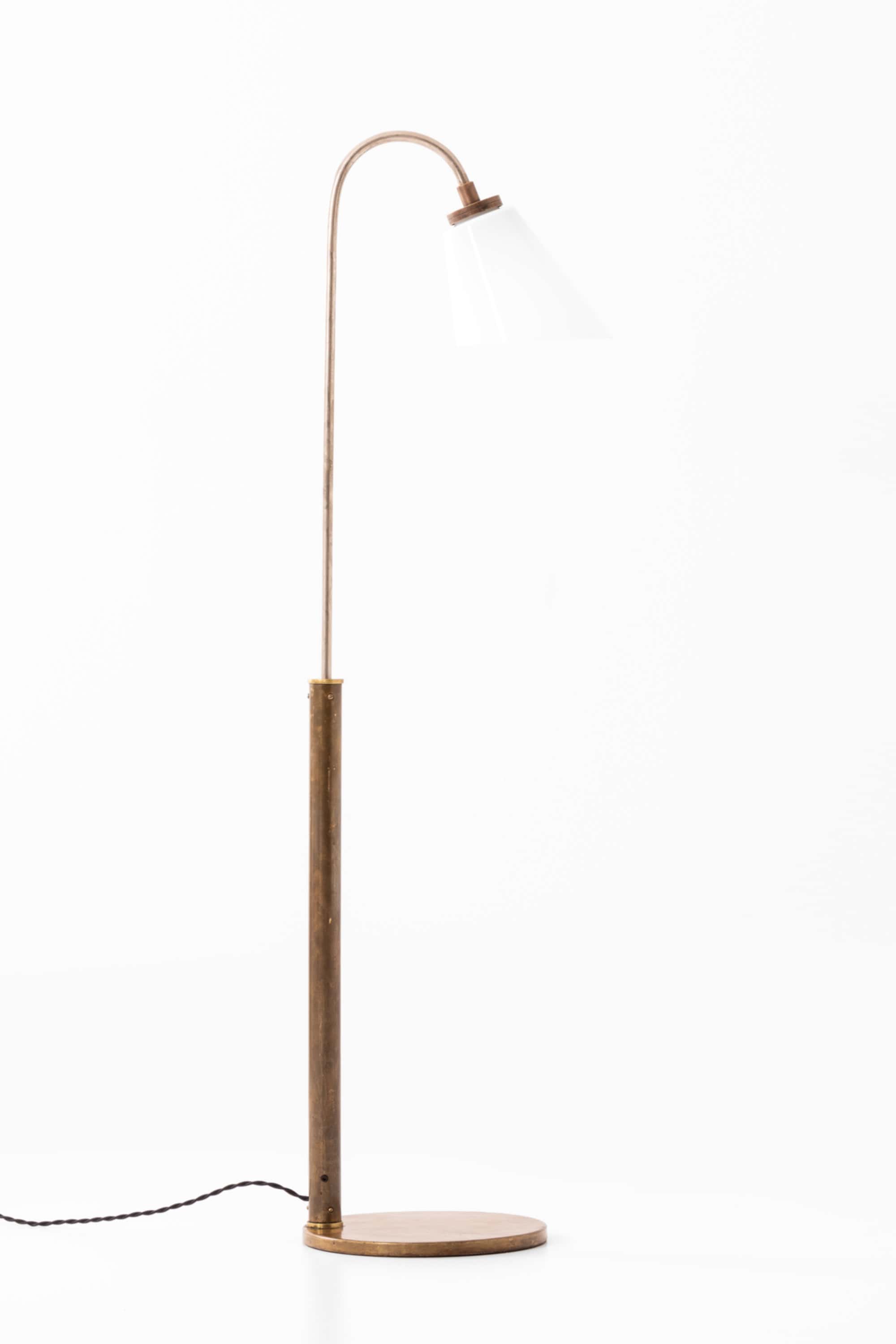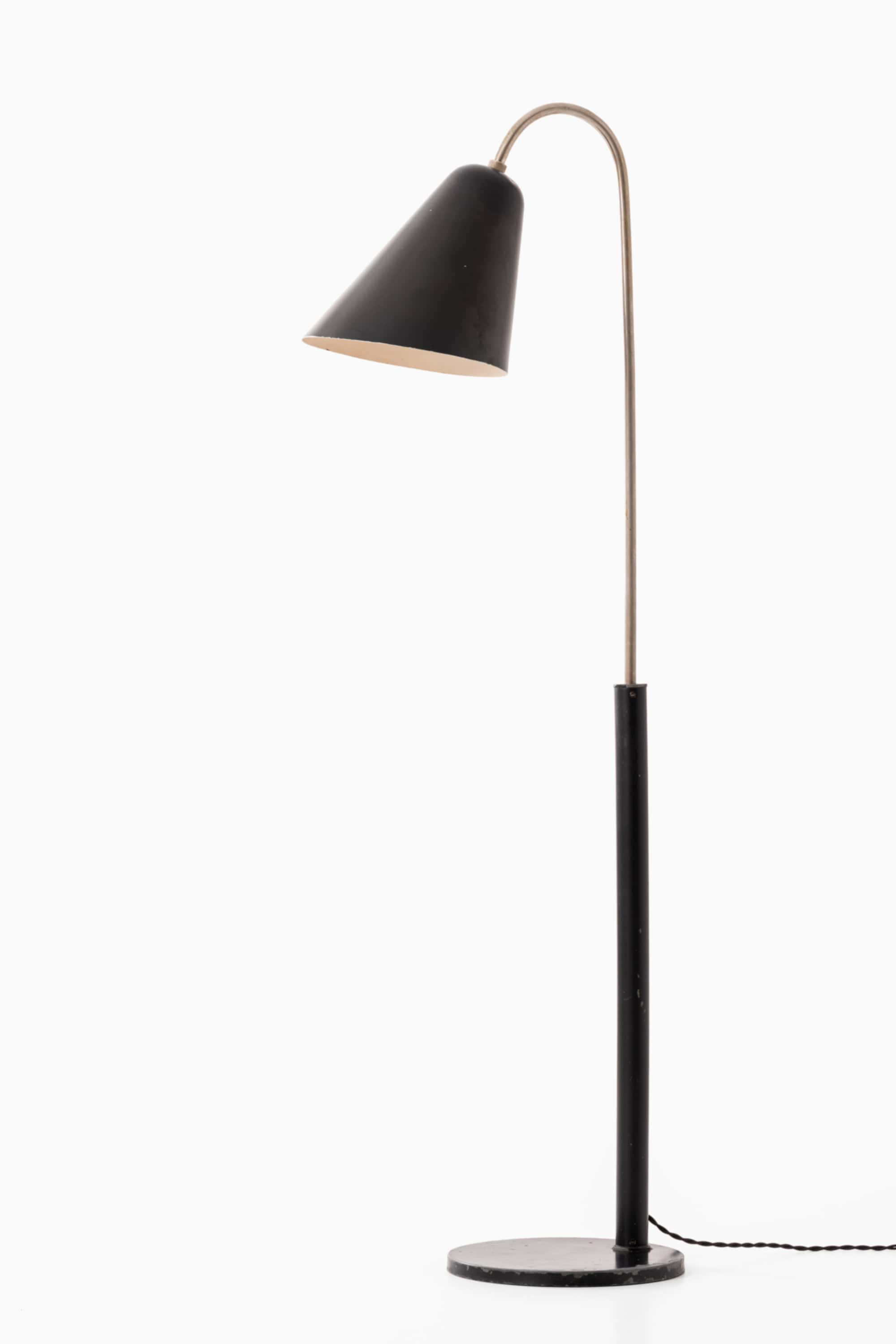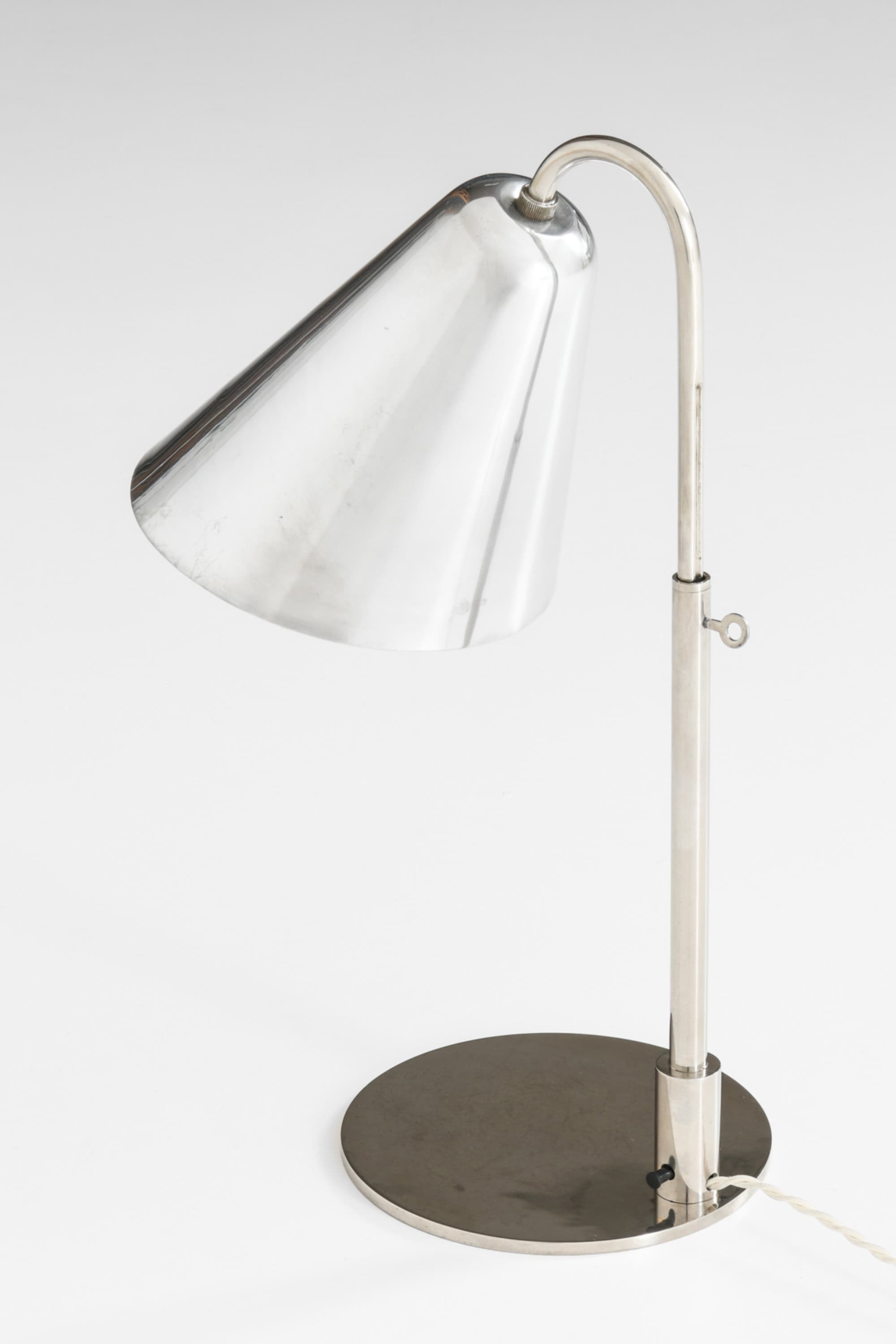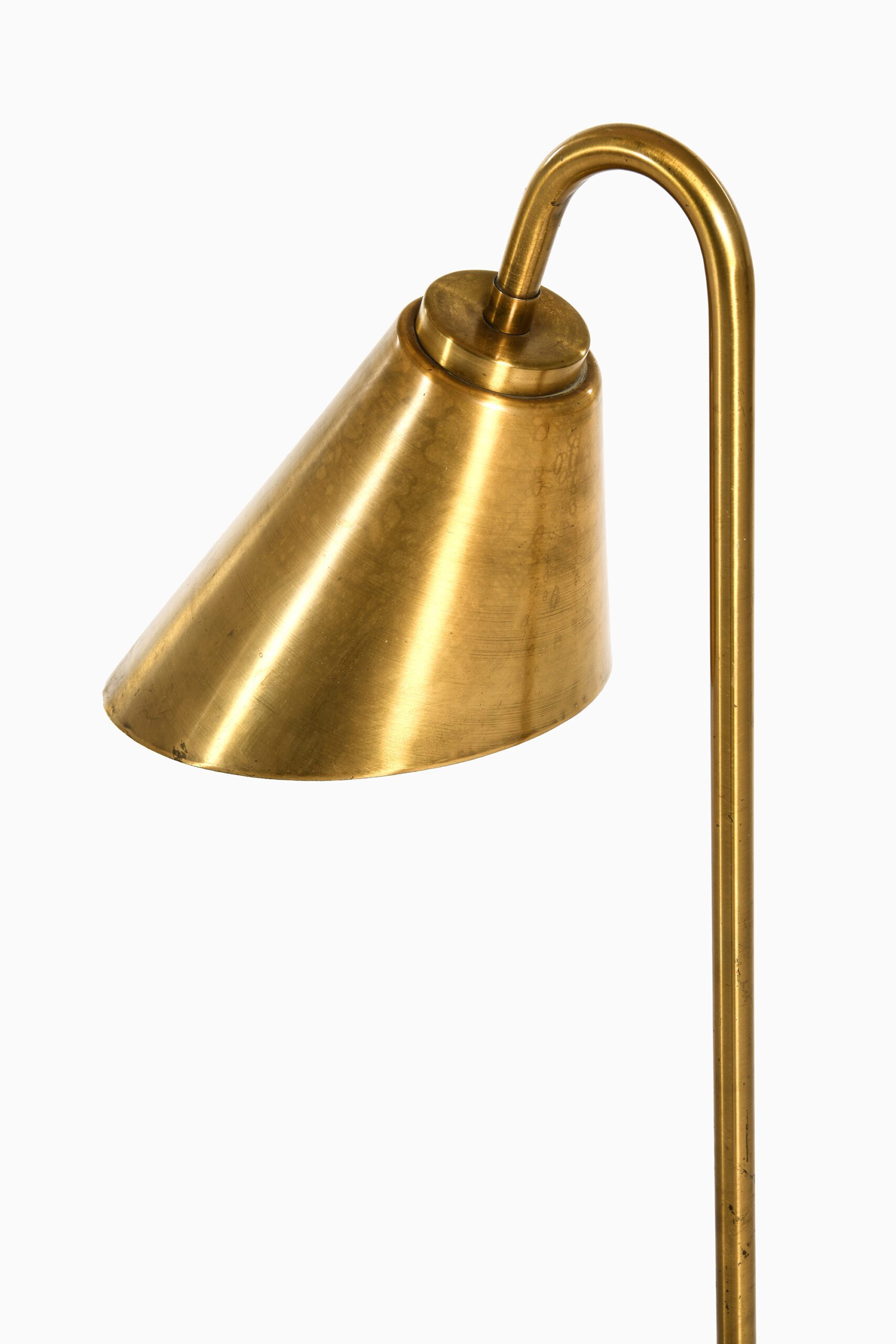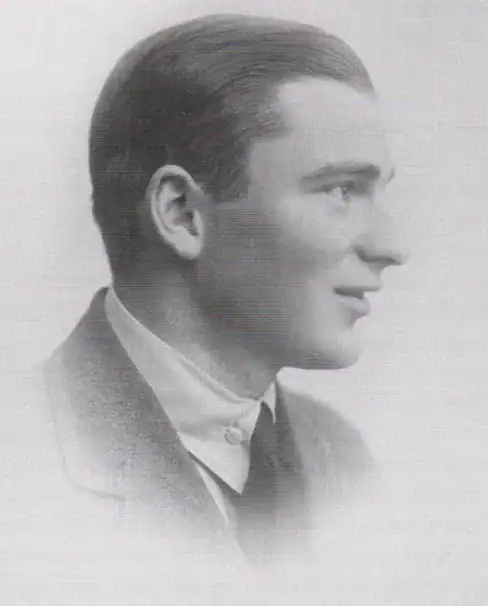
Frits Schlegel (1896–1965) was a Danish Functionalist architect and designer, active during a formative period in the development of modern architecture in Denmark. Working in the early to mid-20th century, he played a key role in the transition from traditional craftsmanship to industrialised construction methods. Schlegel was among the first architects in Denmark to explore poured-in-place concrete, recognising its potential for new spatial expressions and structural clarity.
Biography
Schlegel was born in Frederiksberg, Copenhagen, and trained both as a mason and at the Royal Danish Academy of Fine Arts from 1916 to 1923. He worked in the office of architect Edvard Thomsen before establishing his own practice in 1934, which he maintained until his death in 1965.
His early work shows influence from the French architect Auguste Perret, particularly in its use of concrete and structural logic. Among his most significant architectural works are Tivoli Concert Hall, Marieberg Chapel and Crematorium, and Overformynderiet in Copenhagen.
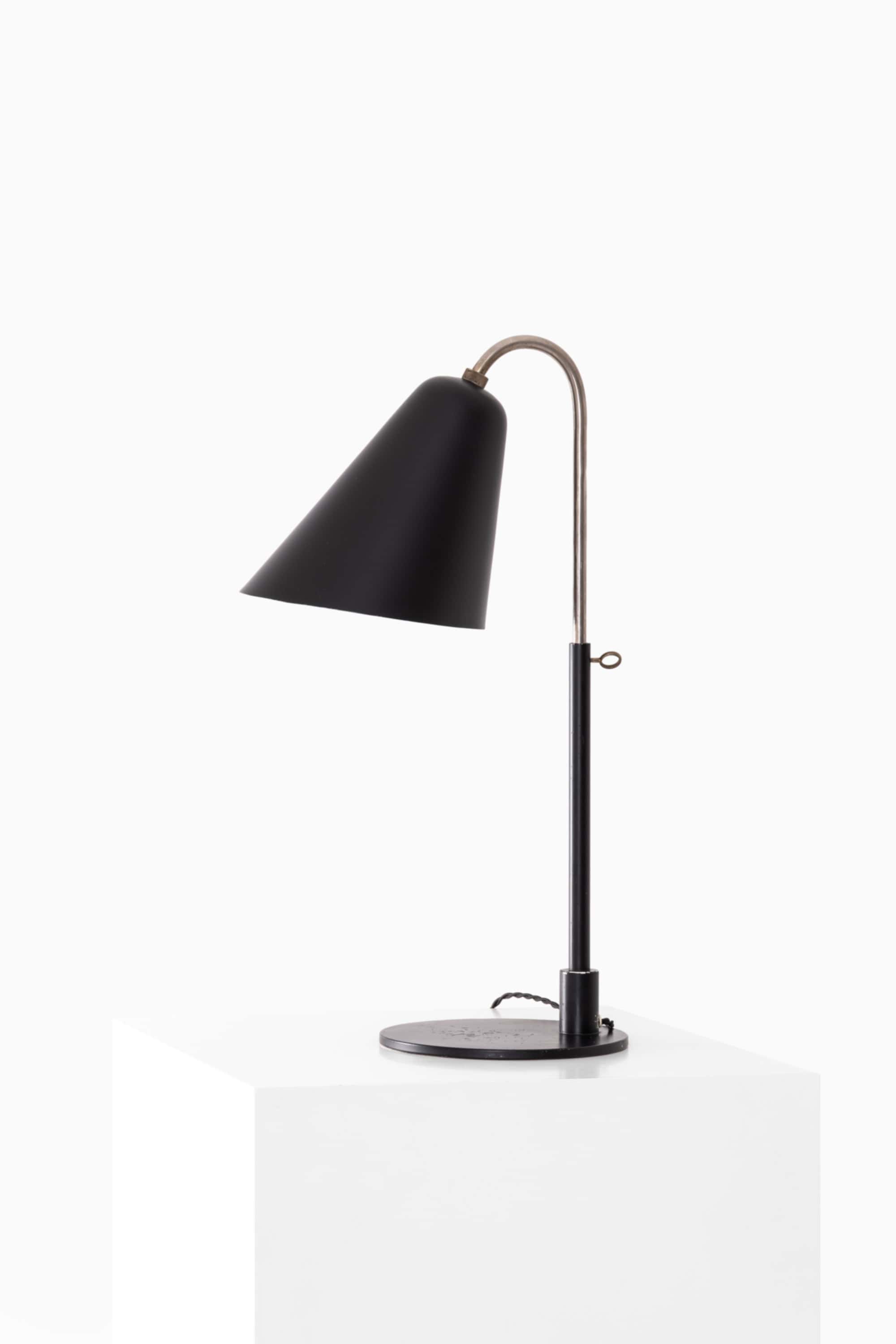
In addition to his architectural practice, Schlegel also designed furniture during the 1930s, reflecting the influence of the Bauhaus movement and its emphasis on functionalism, material honesty, and industrial production.
Schlegel’s work reflects a balance between modernist ideals and a distinctly Danish sensitivity to proportion and use, contributing to the broader development of Functionalism in Scandinavia.