Jørgen Høj
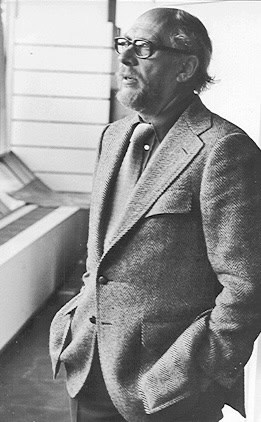
Jørgen Høj (1925–1994) was a Danish designer whose work moved between furniture, interiors, graphics, and exhibition design. Originally trained as a metalworker and upholsterer, he later studied at the Danish School of Arts and Crafts, where he met Poul Kjærholm. His background in both craft and industrial materials shaped a design approach focused on function, construction, and practical use.
Biography
Jørgen Høj completed his education at the School of Arts and Crafts in 1950 and subsequently established his own design studio. He worked across several fields, including furniture, interiors, graphic design, and shop fittings, developing a broad practice that combined technical understanding with a clear interest in modern materials and systems.
During his studies, Høj became friends with fellow Danish designer Poul Kjærholm. In 1952, the two presented the collaborative project Self-Assembled Furniture at the annual exhibition of the Copenhagen Cabinetmakers’ Guild. The project reflected a progressive approach to furniture design, with an emphasis on rational construction, assembly, and industrial production methods.
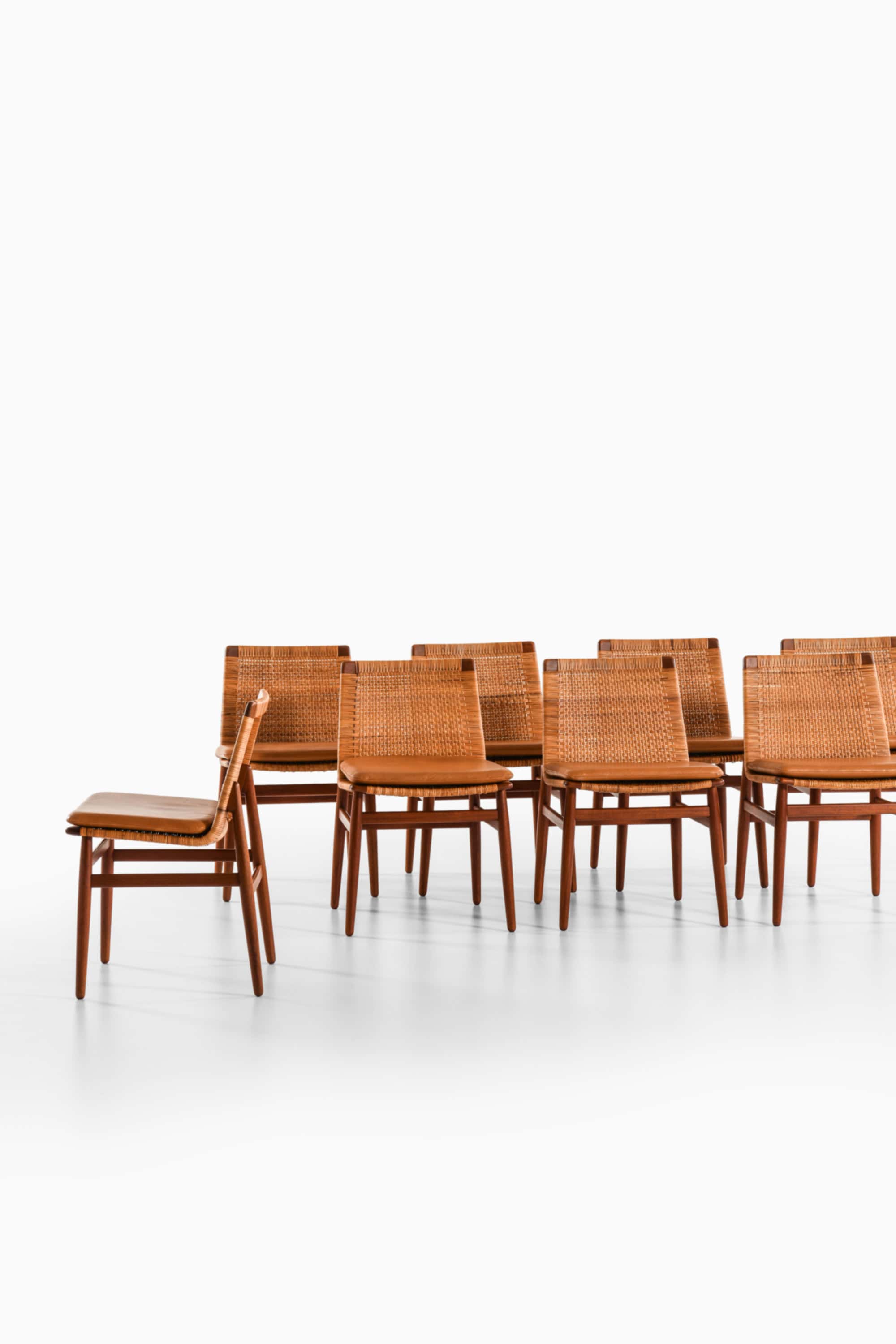
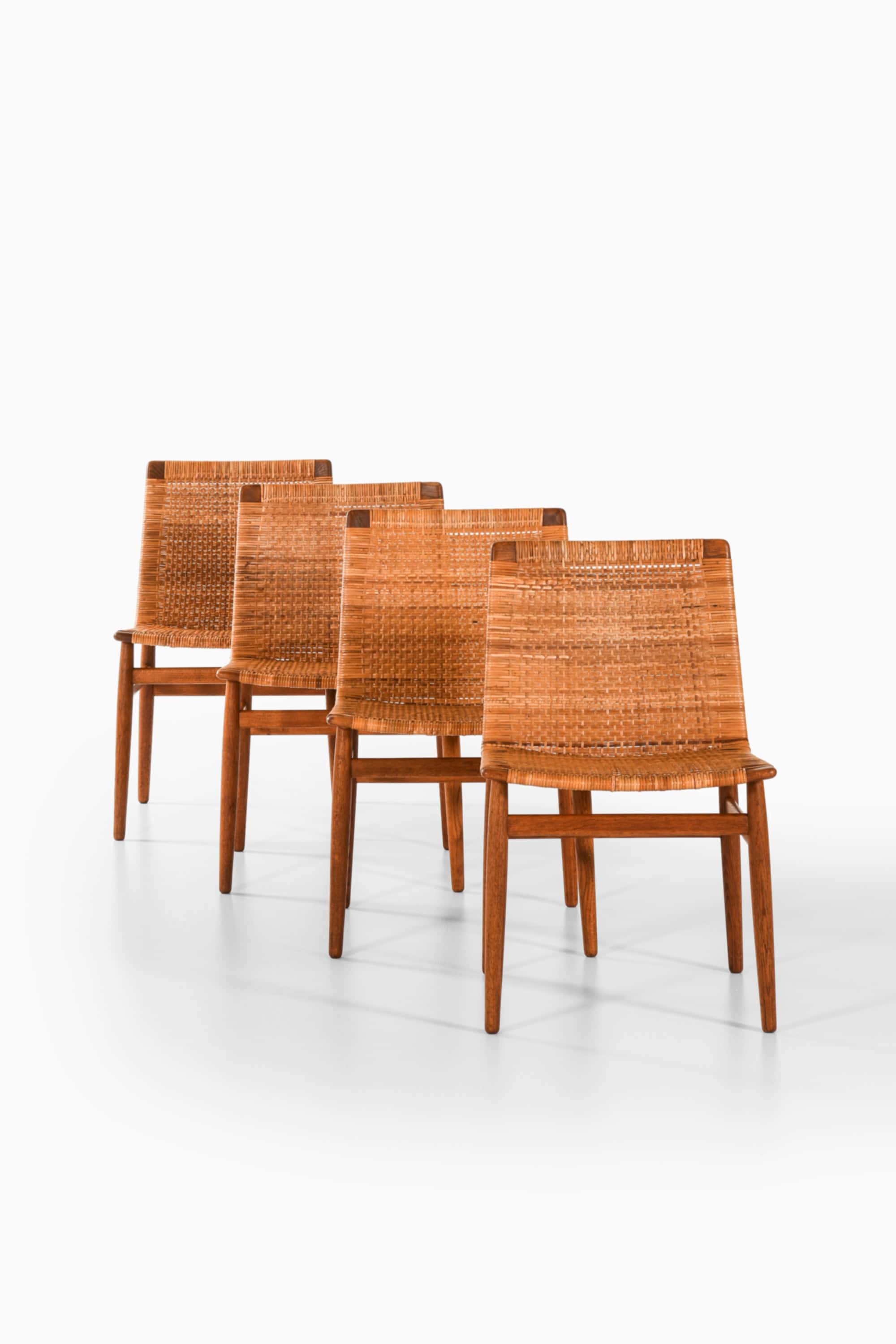
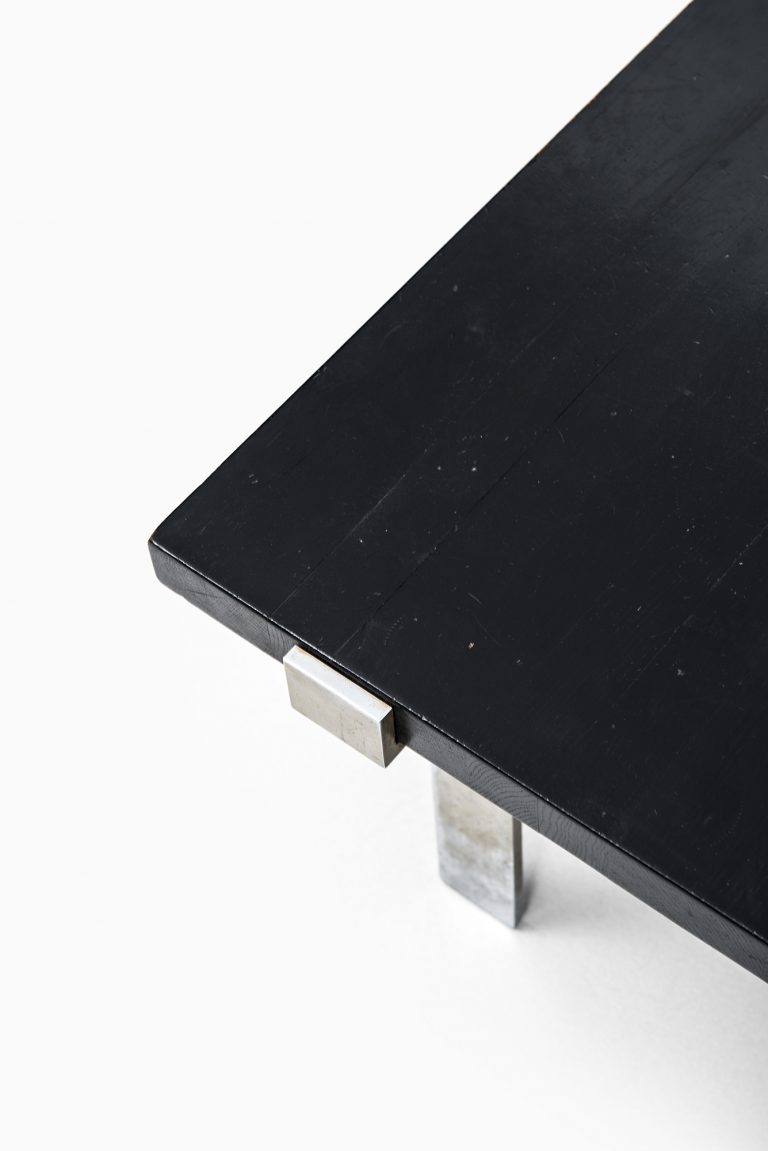
Høj’s work was strongly function-driven. He embraced materials such as aluminium and explored furniture and interior solutions that were practical, precise, and suited to modern environments. His designs were shaped less by decoration than by structure, usability, and the possibilities of new production techniques.
He exhibited several times at the Cabinetmakers’ Guild exhibitions and also worked with PP Møbler during the 1950s. Together with the workshop, he created interiors for several shops in Sweden. His broader interior work included rebuilding, furnishing, furniture systems, exhibition rooms, and graphic concepts for retail environments, including projects for Twilfit and Nordiska Galleriet.