Ulla Fogelklou-Skogh
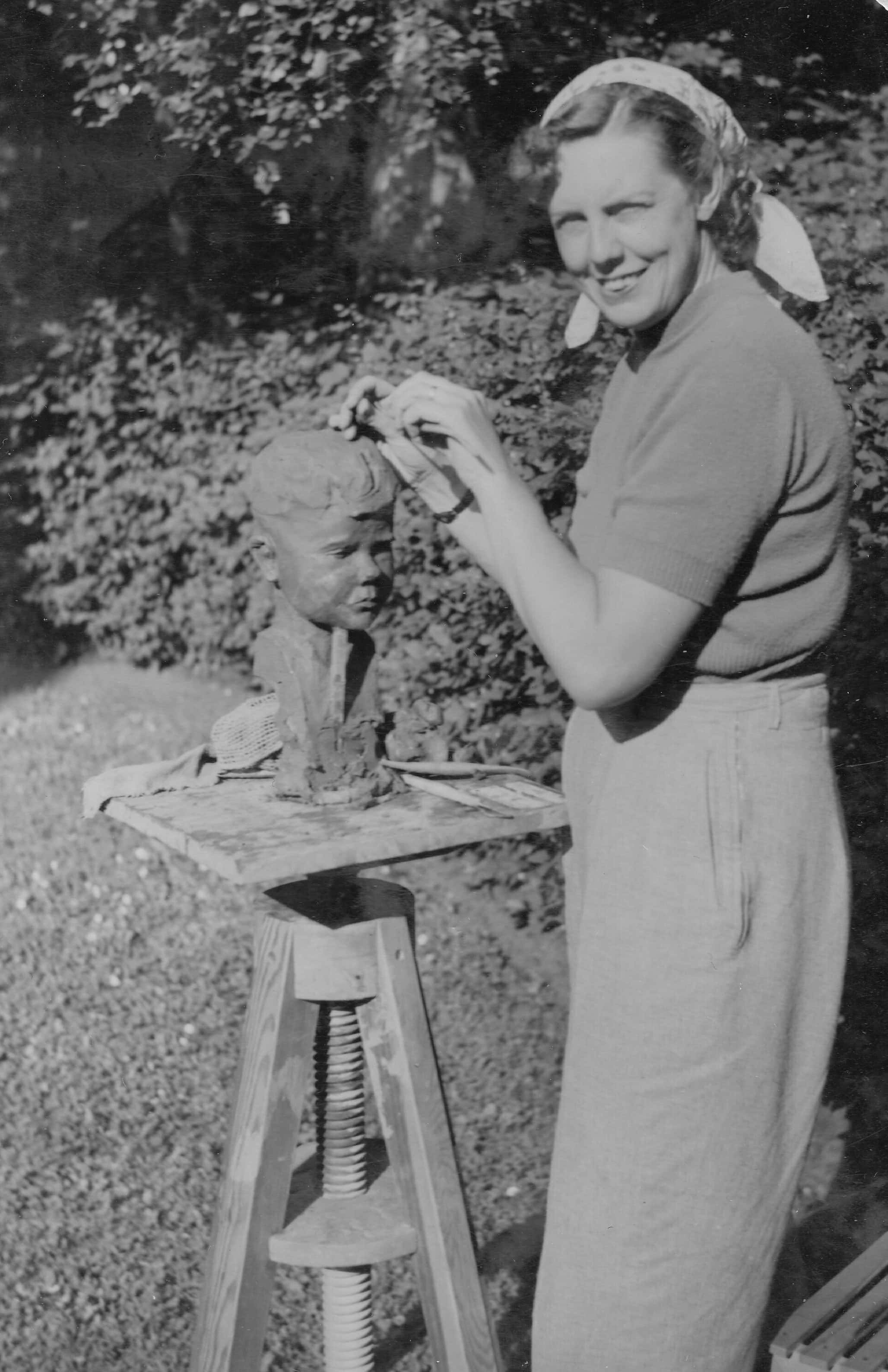
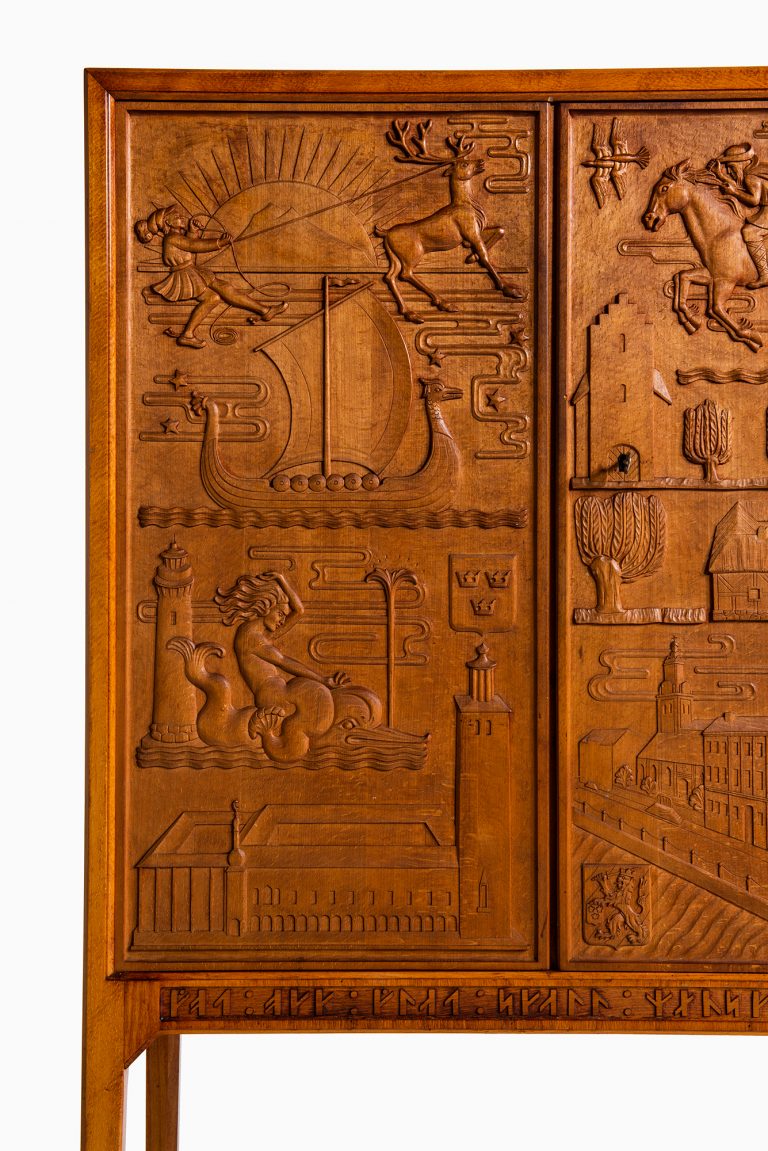
Ulla Fogelklou-Skogh (1913–1986) was a Swedish silversmith and designer whose work reflects the growing international recognition of Swedish craft and applied arts during the mid-20th century. She is primarily associated with metalwork, silver, and decorative objects, often combining skilled craftsmanship with a refined sense of form and ornament. Her work is connected to both independent artistic production and collaborations with Swedish workshops and manufacturers, including Atelier Borgila and Ystads Metallindustri.
Biography
Ulla Fogelklou-Skogh was born Ulla Fogelklou in Helsingborg in 1913. In 1932, she moved to Stockholm to study metal chasing at the Higher School of Art and Design, then part of the Technical School, later known as Konstfack. During her studies, she received recognition for her decorative models and chisel work, and her early silver pieces attracted attention at the school’s student exhibition in 1935.
After completing her training, Fogelklou-Skogh received a scholarship from Svenska Slöjdföreningen, which allowed her to undertake study trips to Germany and Italy. Upon returning to Sweden, she began working for Atelier Borgila in Stockholm, one of the leading Swedish silversmithing workshops of the period. There, she worked with ecclesiastical silver and finely crafted objects, including chased and forged works.
Alongside her work at Borgila, Fogelklou-Skogh also produced independent pieces and entered design competitions. In 1937, she won a competition arranged by the Stockholm newspaper Nya Dagligt Allehanda with a silver tobacco box decorated in relief. Around the same period, Ystads Metallindustri, later known as Ystad-Metall, commissioned her to design high-quality objects for the Paris World’s Fair of 1937.
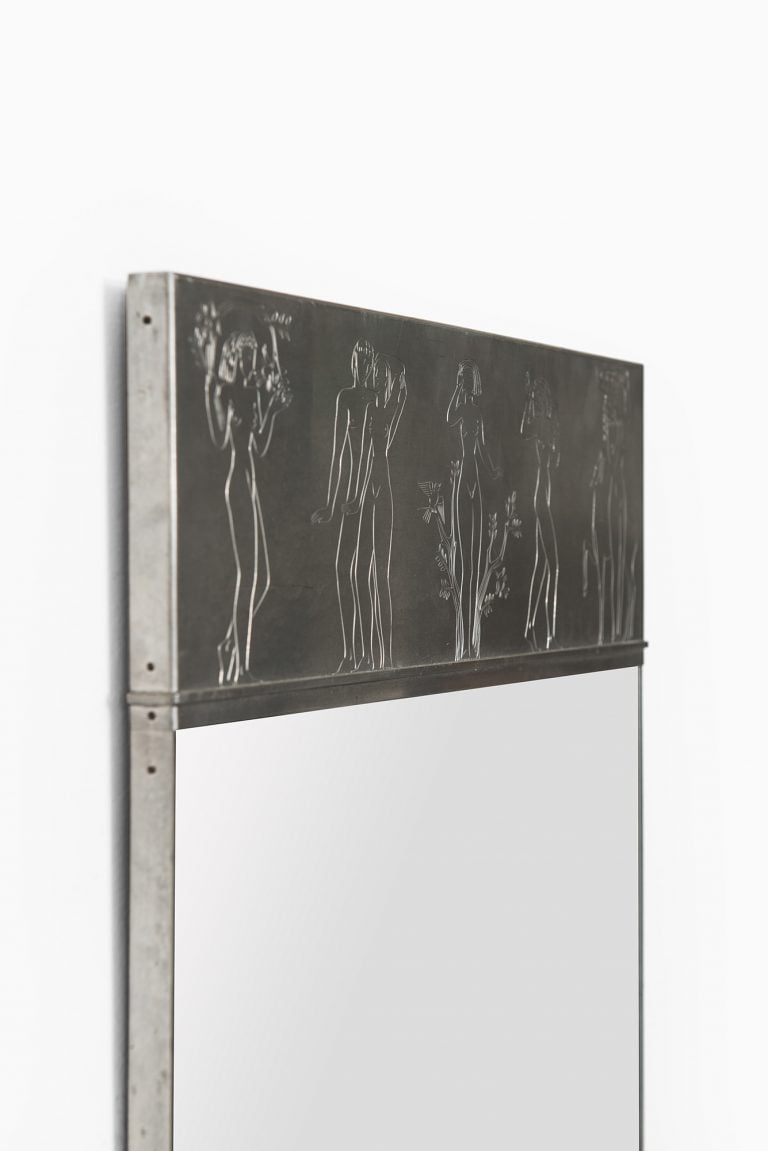
For the Paris exhibition, she created works including a bronze sundial named Ikaros och Daidalos and a silver mirror called De fem sinnena. These pieces were shown in the Swedish pavilion and received positive attention, placing her work within the broader context of Swedish modern craft and international exhibition culture.
Fogelklou-Skogh continued to work intermittently with Ystads Metallindustri into the 1960s. Today, she is remembered as a skilled Swedish silversmith and designer whose work combined technical precision, decorative strength, and a strong understanding of metal as an artistic material.