Verner Panton
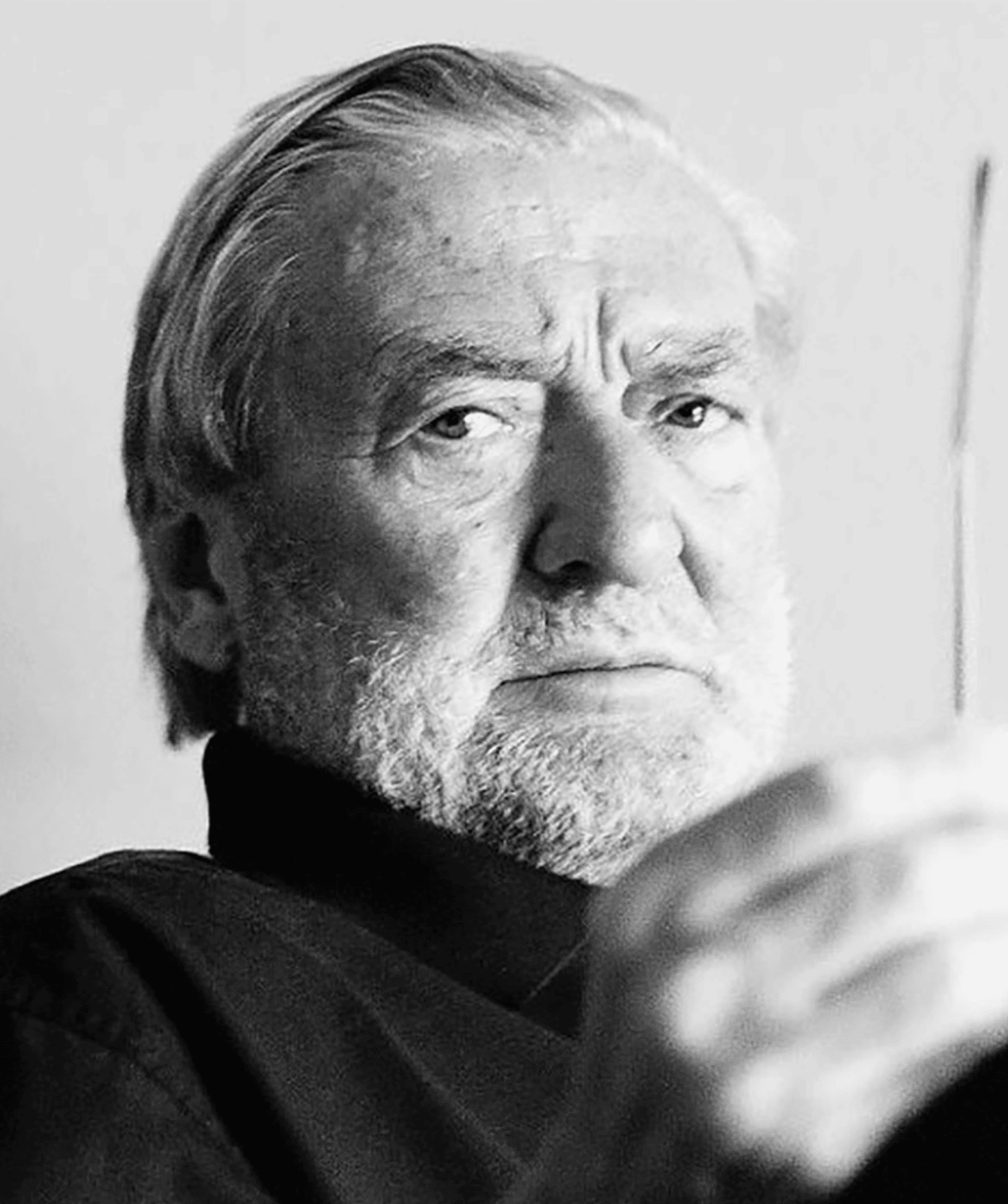
Verner Panton (1926–1998) was a Danish architect, furniture designer, and interior designer, regarded as one of the most influential and experimental figures of 20th-century design. He is best known for his bold use of colour, geometric forms, plastics, and futuristic materials, creating furniture, lighting, textiles, and interiors that challenged the restrained language often associated with Scandinavian modernism. His work reflects a radical and playful vision of modern living, where furniture and interior space became part of a complete visual experience.
Biography
Verner Panton was born in Denmark in 1926 and studied architecture at the Royal Danish Academy of Fine Arts in Copenhagen, graduating in 1951. Early in his career, he worked at the practice of Arne Jacobsen between 1950 and 1952, gaining experience within one of Denmark’s most important modern design environments. He later established his own design and architecture office, where he began developing a more independent and experimental approach.
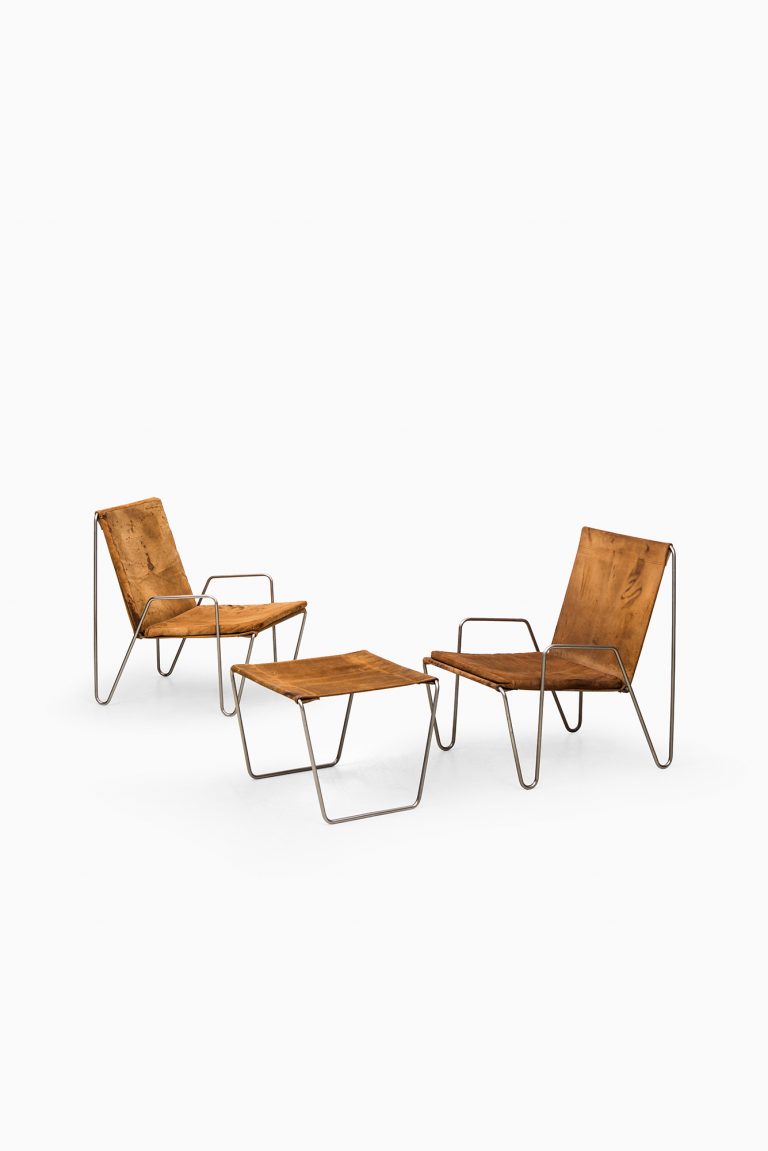
During the 1950s and 1960s, Panton became known for furniture designs that broke with traditional construction. His interest in new materials led him to explore plastics, fiberglass, foam, steel, and synthetic textiles, often using them to create flowing, organic forms and strong colour effects. His best-known furniture designs include the Cone Chair and the Panton Chair, the latter becoming one of the most iconic single-form plastic chairs of the 20th century.
In addition to furniture, Panton designed numerous lamps, textiles, carpets, and wall coverings. His designs often used repeated geometric patterns, intense colours, and optical effects, creating a highly recognizable visual language. Works such as the Panthella lamp demonstrate his ability to combine technical clarity with soft, atmospheric light and sculptural form.
Panton was also known for designing complete interiors, where furniture, lighting, textiles, colour, and spatial arrangement were treated as a unified whole. His most ambitious interiors include the Spiegel Publishing House in Hamburg, the Visiona exhibitions in Cologne for Bayer, and the restaurant Varna near Aarhus. These projects reflected his belief that design could transform everyday environments into immersive and emotionally powerful experiences.