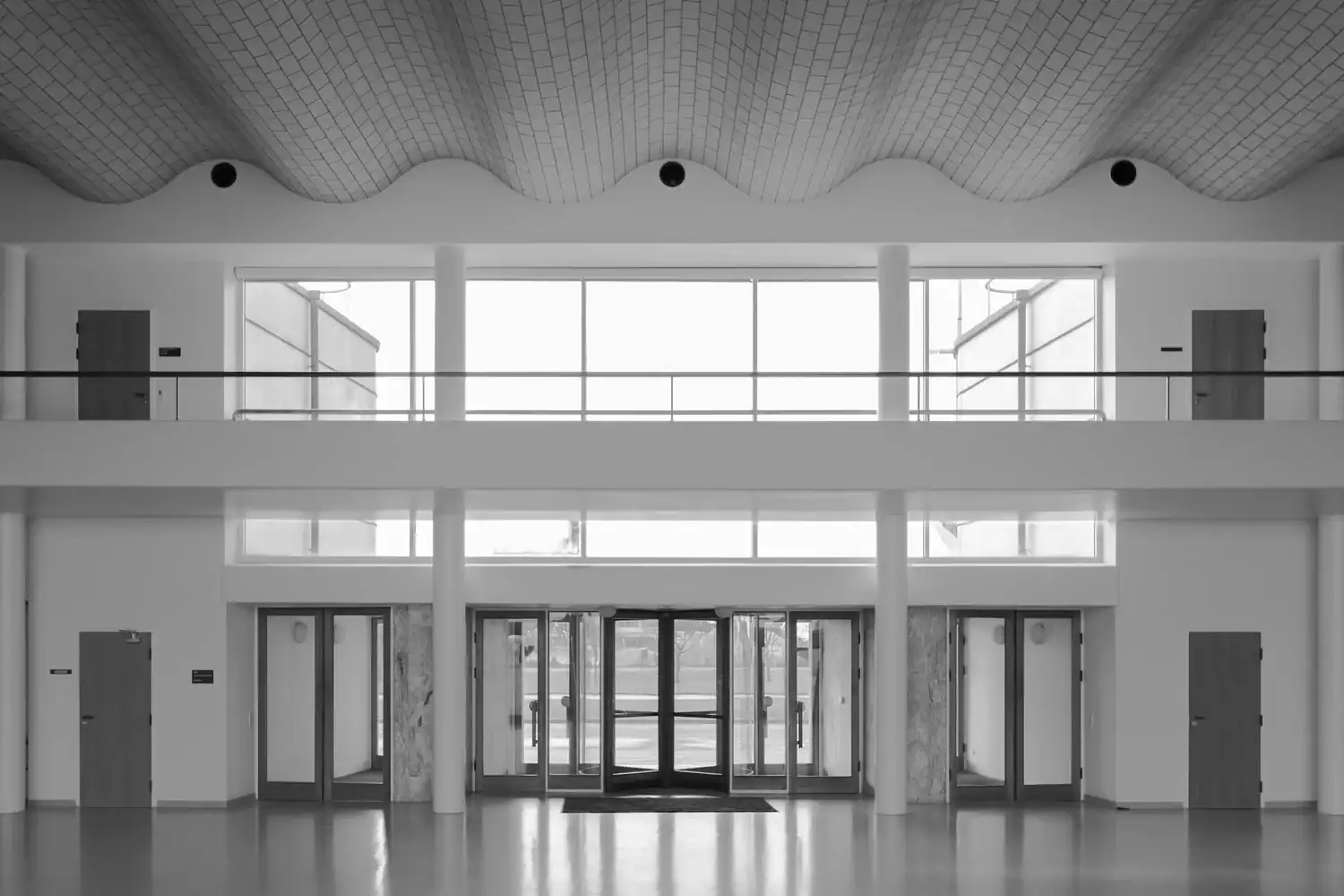
Vilhelm Lauritzen
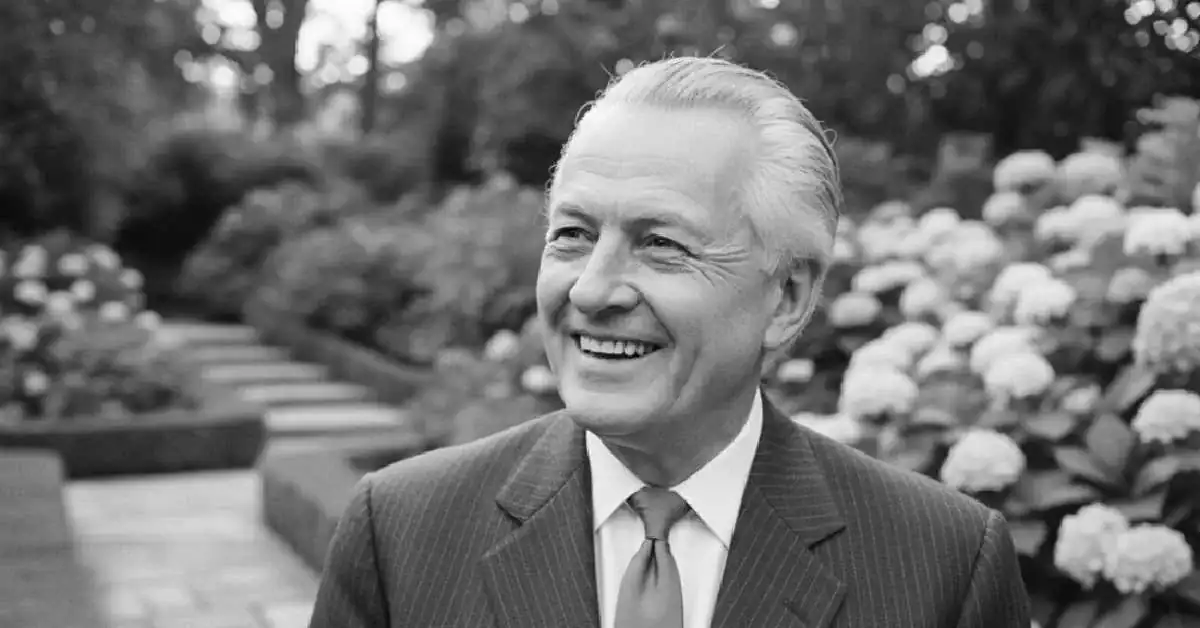
Vilhelm Lauritzen (1894–1984) was a Danish architect and designer and a leading figure in the development of Danish functionalism. His work is characterised by clarity of structure, refined proportions, and a strong sensitivity to light, materials, and human experience, combining technical precision with architectural calm.
Biography
Lauritzen trained at the Royal Danish Academy of Fine Arts in Copenhagen and established his architectural practice in the early 1920s. He emerged as a central voice in Danish modernism during the 1930s, advocating a functional architecture rooted in rational planning, modern materials, and clarity of form.
Among his most significant works is the former Radiohuset (Danish Broadcasting House) in Copenhagen, a landmark of functionalist architecture where acoustics, lighting, furniture, and detailing were conceived as an integrated whole. His interest in total design extended to interiors, fixtures, and custom furnishings, ensuring visual coherence throughout his projects.
Lauritzen also designed Copenhagen Airport’s original terminal buildings, where clarity of circulation, daylight, and structural logic reflect the modernist belief in efficiency and human-centered design. Later works continued to explore modular planning and refined material expression, reinforcing his influence on postwar Danish architecture.
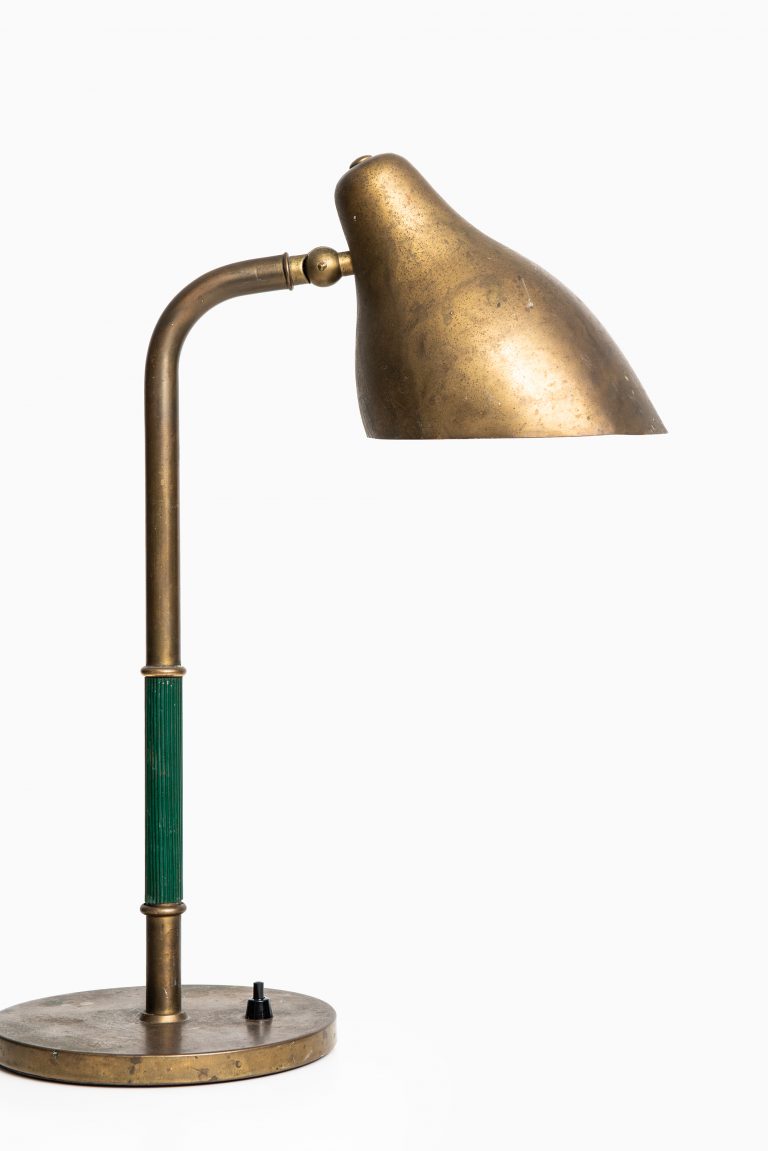
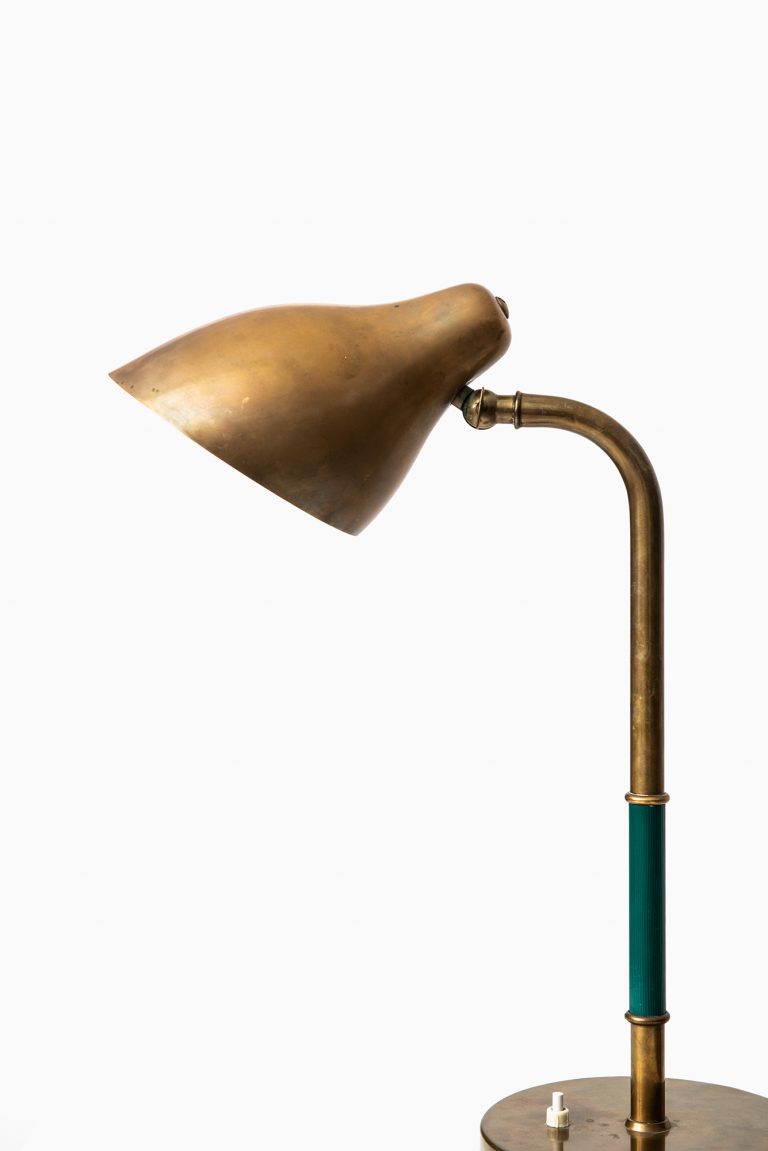
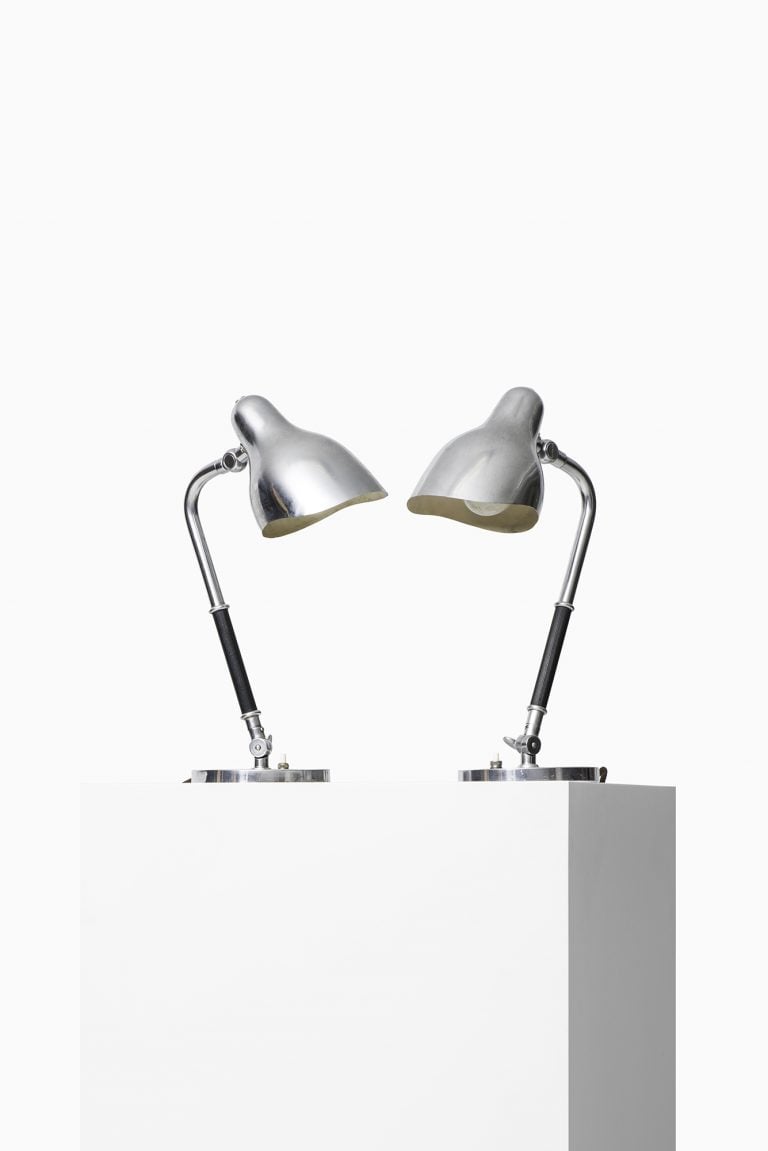
Beyond architecture, Lauritzen designed lighting and furnishings that echoed the same principles of functional clarity and material honesty. His work helped establish a distinctly Danish interpretation of modernism — one that balanced technological progress with warmth, proportion, and human scale.
Through a career spanning more than five decades, Vilhelm Lauritzen shaped the architectural language of modern Denmark, and his buildings remain enduring examples of functionalist design grounded in clarity, light, and spatial harmony.