Flemming Lassen
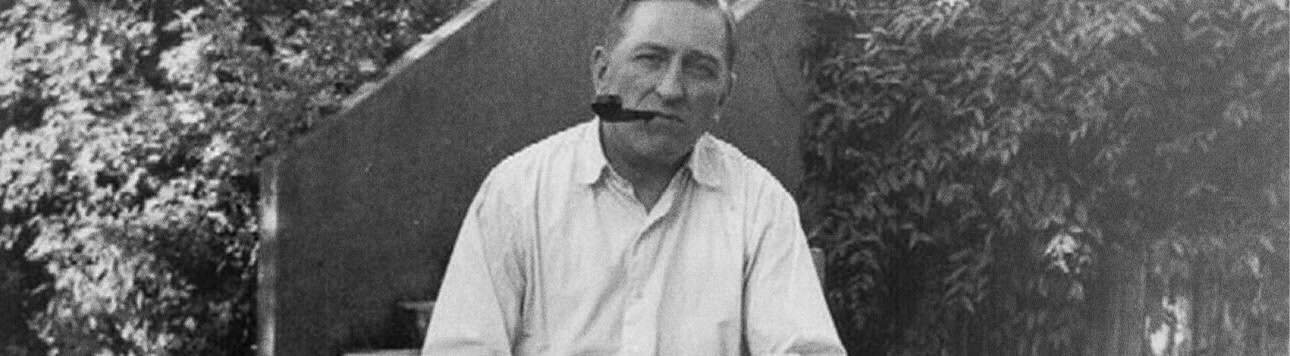
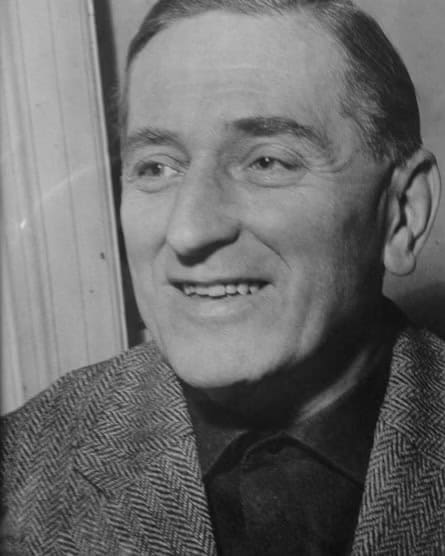
Flemming Lassen (1902–1984) was a Danish architect and designer associated with modernist design and the development of Danish modern furniture during the early and mid-20th century. His work ranged from buildings and cultural institutions to furniture, lighting, and silverware, often characterized by clear lines, curved forms, and a strong sense of function. Together with figures such as Arne Jacobsen and Mogens Lassen, he helped shape a modern Danish design language rooted in simplicity, craftsmanship, and progressive ideas about everyday life.
Biography
Flemming Lassen was born in Copenhagen in 1902 into an artistic family. His father, Hans Vilhelm Lassen, was a decorative painter, and his mother, Ingeborg Winding, was a painter. He trained as a mason before completing his education at the Technical School, giving him a practical understanding of construction that would inform both his building projects and furniture designs.
In the late 1920s, Lassen collaborated with Arne Jacobsen, and in 1929 the two won a Danish Architects Association competition with their design for “The House of the Future.” Built in full scale for an exhibition in Copenhagen, the house was a radical modern proposal that included features such as a garage, boathouse, helicopter pad, and other forward-looking elements. The project reflected Lassen’s interest in modern living, new technology, and functional planning.
Lassen later worked with Jacobsen on Søllerød Town Hall, completed in 1942, and designed Nyborg Library in collaboration with Erik Møller, for which he was awarded the Eckersberg Medal. During the 1960s and 1970s, he became particularly associated with libraries and cultural centres, including projects in Randers, Herning, Hvidovre, Hobro, and Lund, Sweden. These buildings often combined strong geometric forms with carefully considered interior spaces.
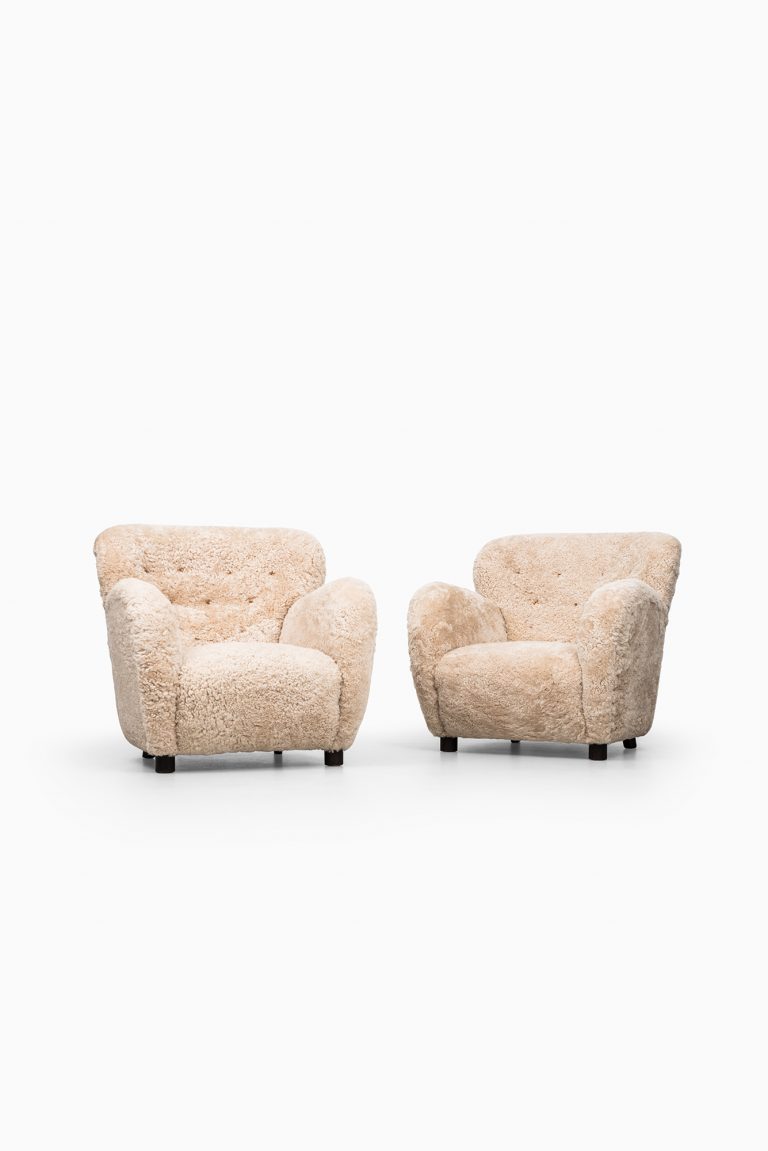
Alongside his work as an architect, Lassen made an important contribution to Danish furniture design. During the 1930s and early 1940s, his unconventional curved forms helped expand the expressive possibilities of Danish modern furniture. His designs were often based on simple, clearly defined lines, but with a softer and more organic character than much of the strict functionalism of the period.

Flemming Lassen easy chairs
(2 PCS)
Flemming Lassen easy chairs
(2 PCS)
Flemming Lassen sofa

Flemming Lassen attrib. easy chairs
(2 PCS)
Flemming Lassen sofa