

Friedl Holzer-Kjellberg bowl
This ceramic bowl was designed by Friedl Holzer-Kjellberg and produced by Arabia in Finland during the 1950s. The piece reflects the experimental glazing techniques and refined ceramic production associated with Arabia during the mid-twentieth century, when the factory collaborated with several influential designers and ceramic artists. Holzer-Kjellberg’s work is particularly recognized for its exploration of surface treatments, glaze behavior, and technical precision in ceramic form.
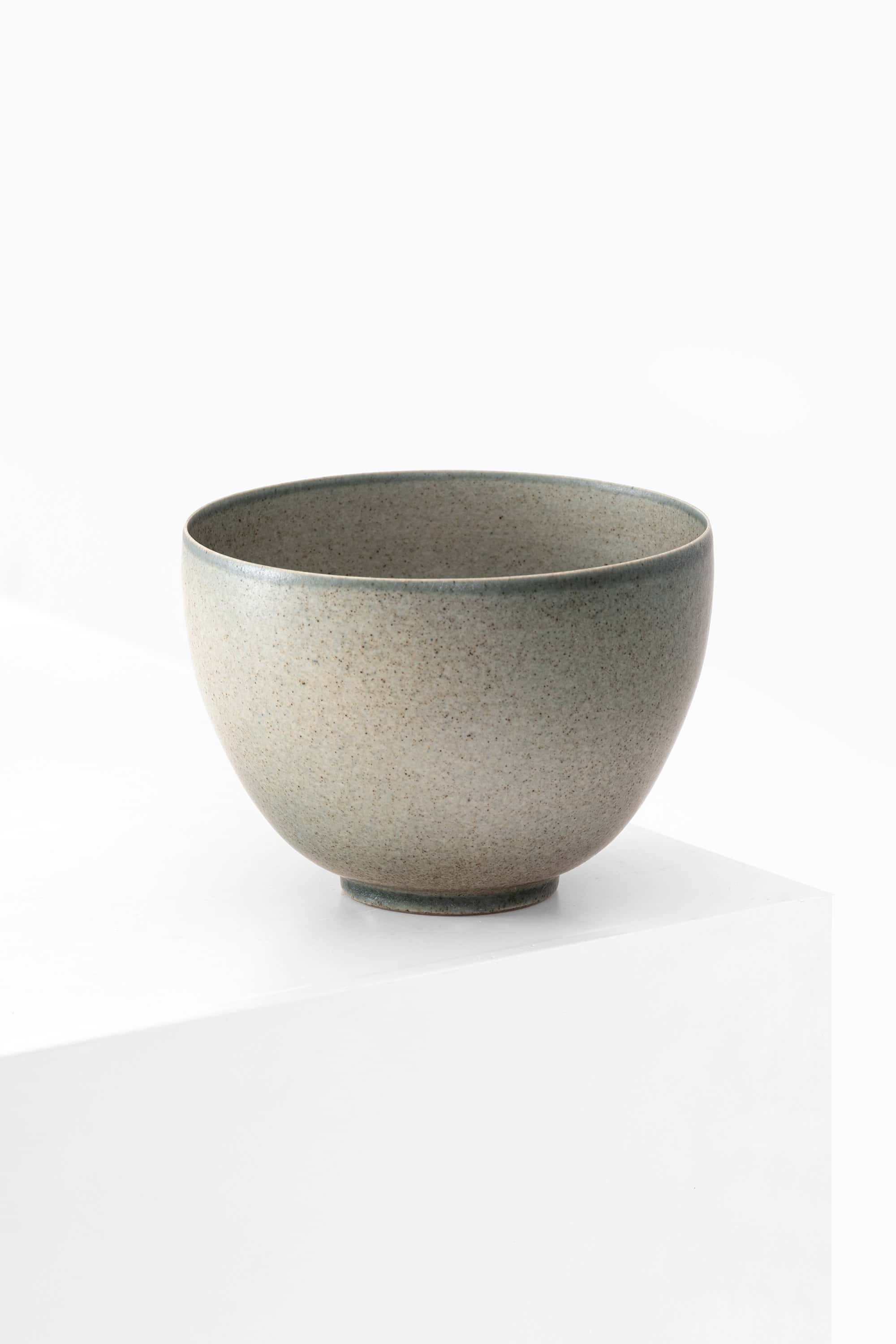
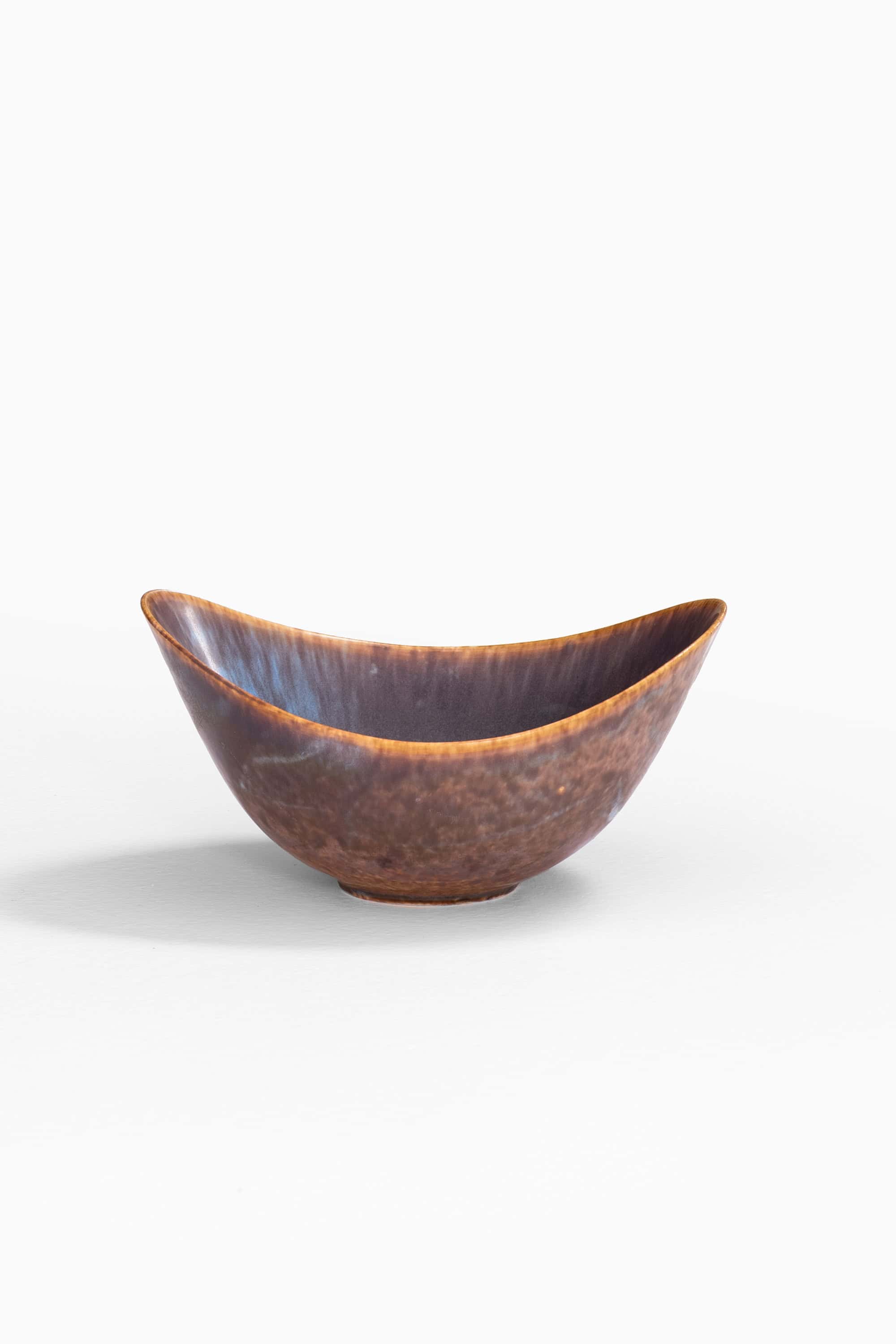
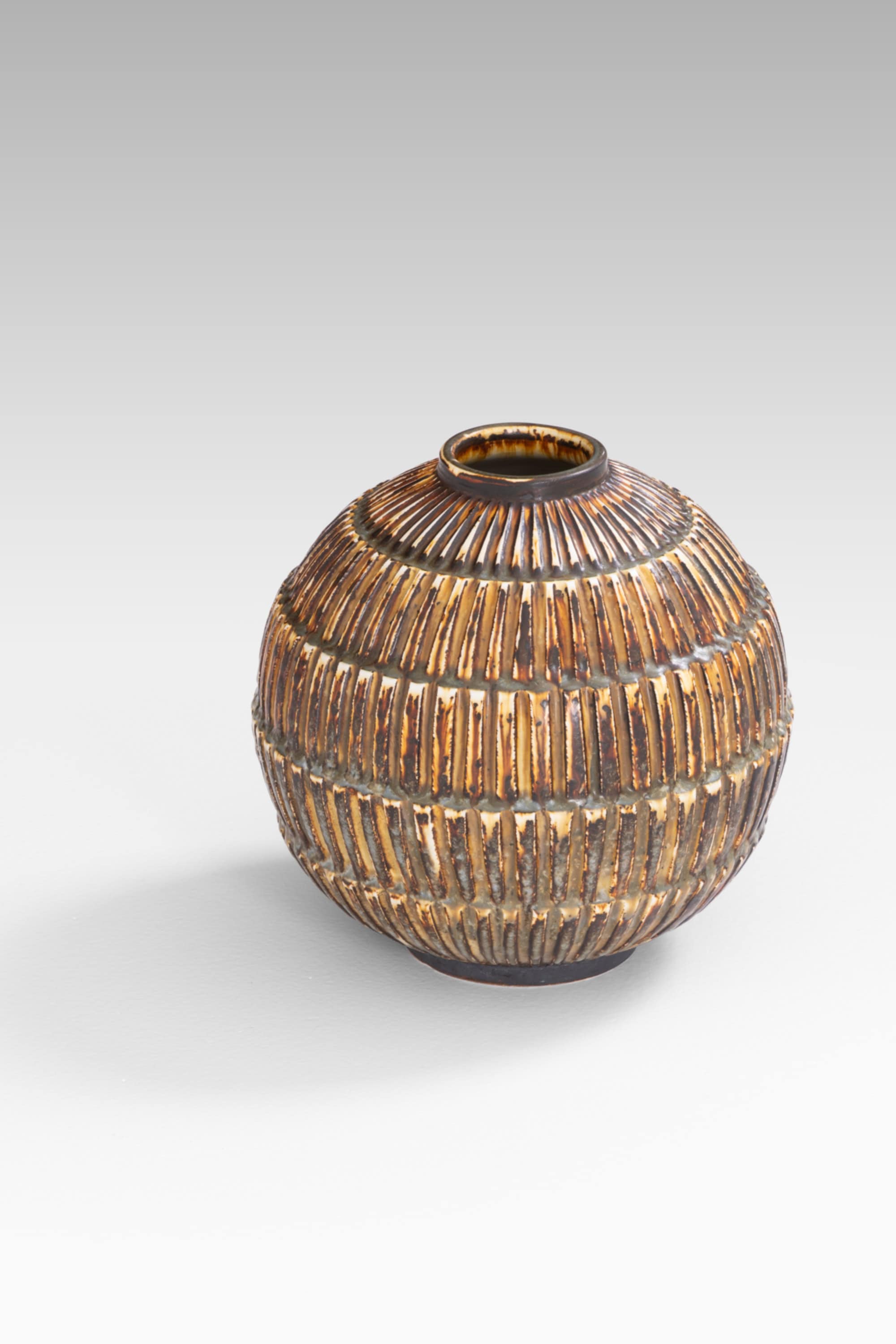
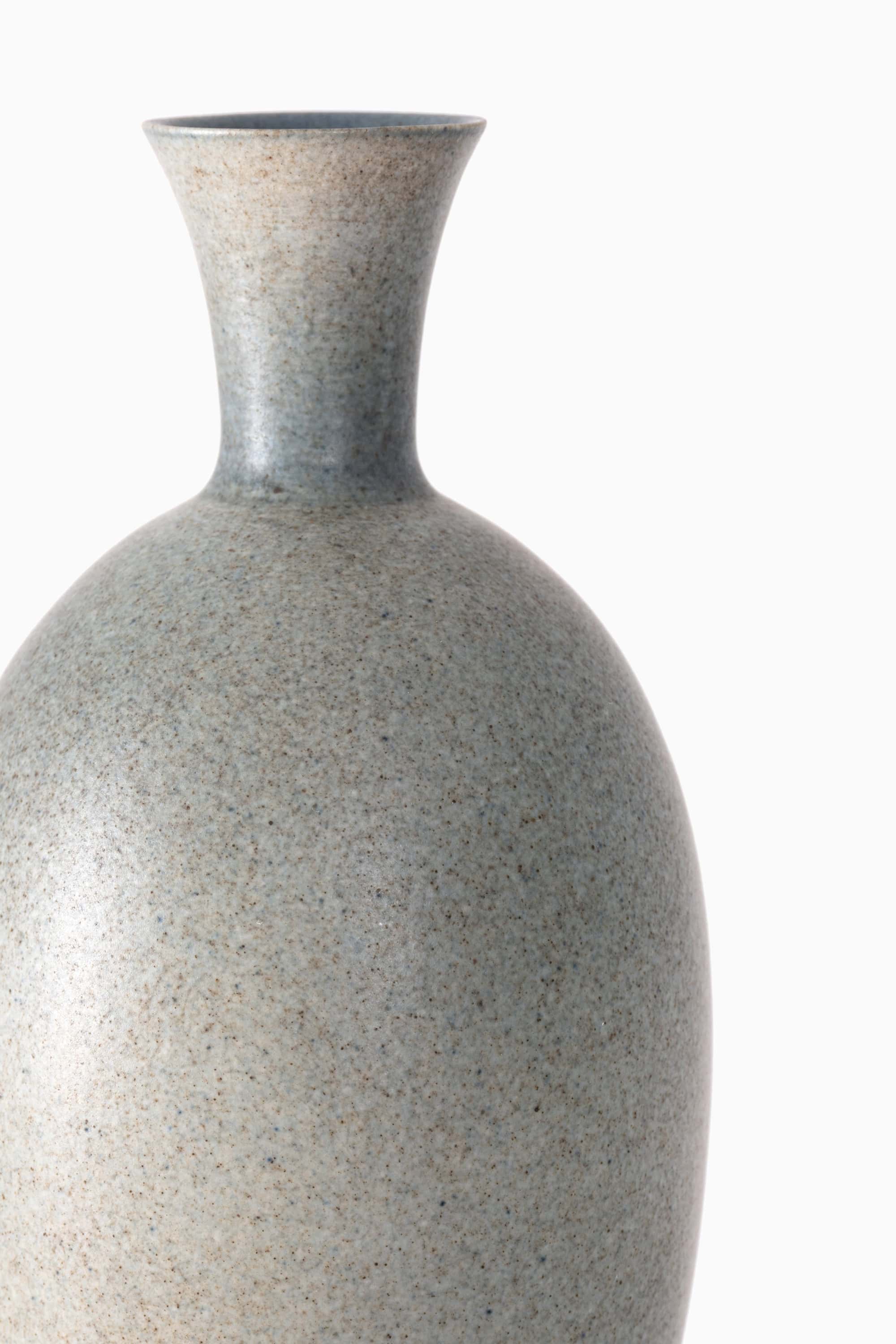
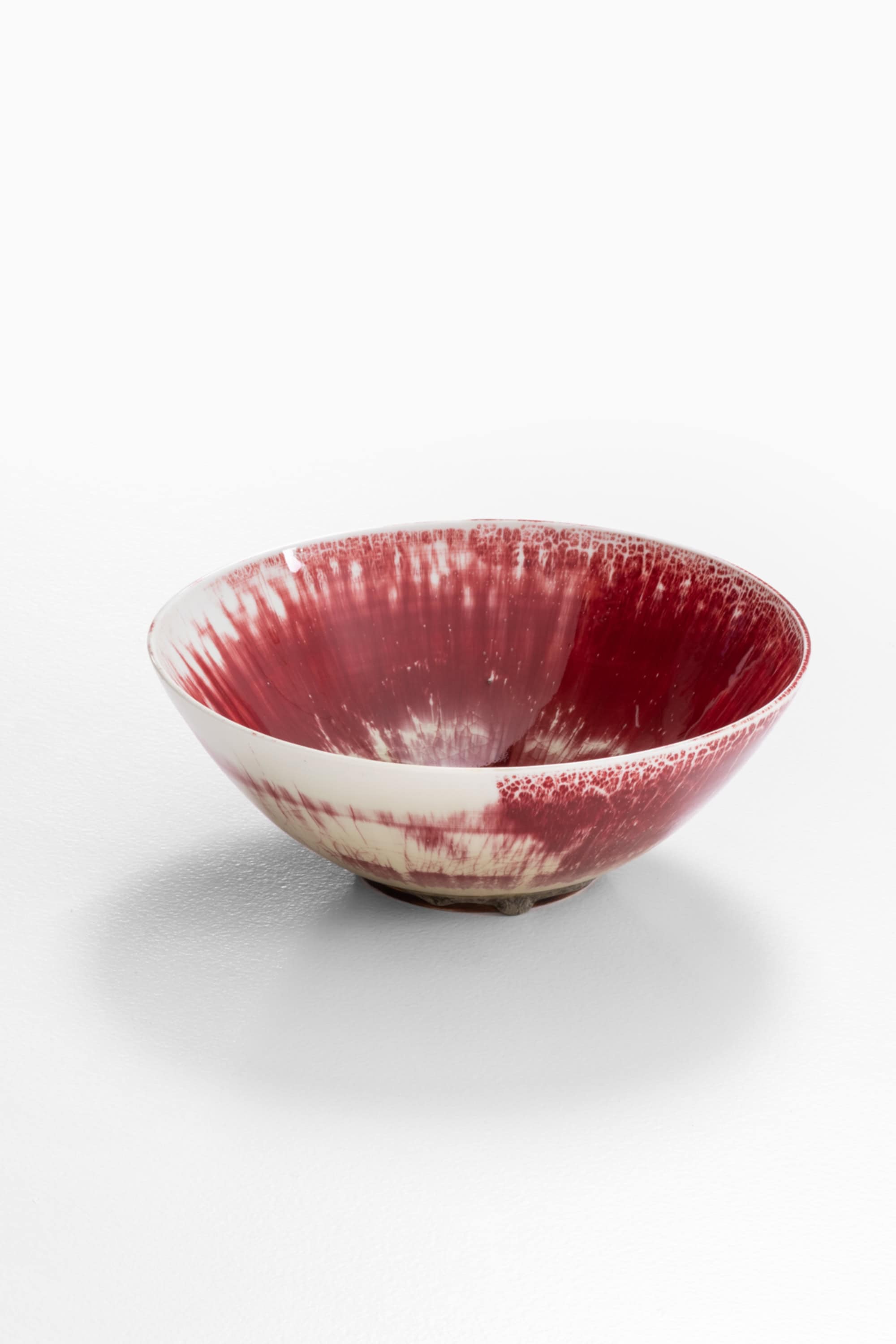
The bowl has a wide, open shape with a gently flaring profile that rises from a small circular foot ring. The form is shallow and evenly balanced, creating a broad interior surface that allows the glaze to become the primary visual element of the object. The rim is thin and softly rounded, emphasizing the lightness of the form despite the substantial diameter. The base is left in a natural tone where the glaze recedes toward the foot, revealing the underlying ceramic body and the subtle tonal transition between clay and glaze.
The glaze is characterized by a deep oxblood red coloration that transitions into lighter cream and ivory tones toward the lower exterior. The surface displays a complex network of vertical streaks, feathered edges, and radiating patterns created during the firing process as the glaze flowed and crystallized. Along the rim, the oxblood glaze forms a dense band with fine speckled and cellular textures, while the interior shows a dramatic radial composition where darker red tones converge toward the center. The glaze creates a dynamic contrast between saturated red areas and lighter translucent sections where the underlying ceramic body becomes visible.
Inside the bowl, the glaze gathers and deepens toward the center, forming a circular concentration of darker red and brown tones around the lowest point of the interior. Subtle variations in the glaze thickness produce areas of translucency and depth, giving the surface a layered appearance that shifts depending on light reflection. The glossy finish enhances the intensity of the red glaze and accentuates the flowing patterns that developed during firing.
Friedl Holzer-Kjellberg (1905–1993) was an Austrian-born ceramic artist who worked for Arabia for several decades and became one of the company’s most technically accomplished designers. She is widely known for her delicate rice porcelain works, but her broader ceramic production also included pieces that explored glaze chemistry and firing effects. Her work combined technical experimentation with a refined understanding of form, contributing significantly to the reputation of Arabia as a leading center for ceramic innovation during the twentieth century.
Arabia, founded in Helsinki in 1873, became one of the most important ceramic manufacturers in Scandinavia. During the mid-century period the factory collaborated with designers and artists who pushed the boundaries of ceramic design, developing distinctive glazes and production techniques that blended artistic expression with industrial manufacturing.
The bowl measures 32 cm in diameter and 11.7 cm in height, corresponding to approximately 12.6 inches in diameter and 4.6 inches in height. The piece remains in excellent vintage condition with well-preserved glaze surfaces and minimal signs of age, maintaining the clarity and intensity of its original finish.
Dimensions (cm) | H: 11.7 / ⌀: 32 |
| Producer | Arabia |
| Color | Red |
| Decade | 1950s |
| Country | Finland |
| Style | Scandinavian Modern |
| Material | Ceramics |
| Designed in | 1950s |
| Item Number | 250589 |
Friedl Holzer-Kjellberg