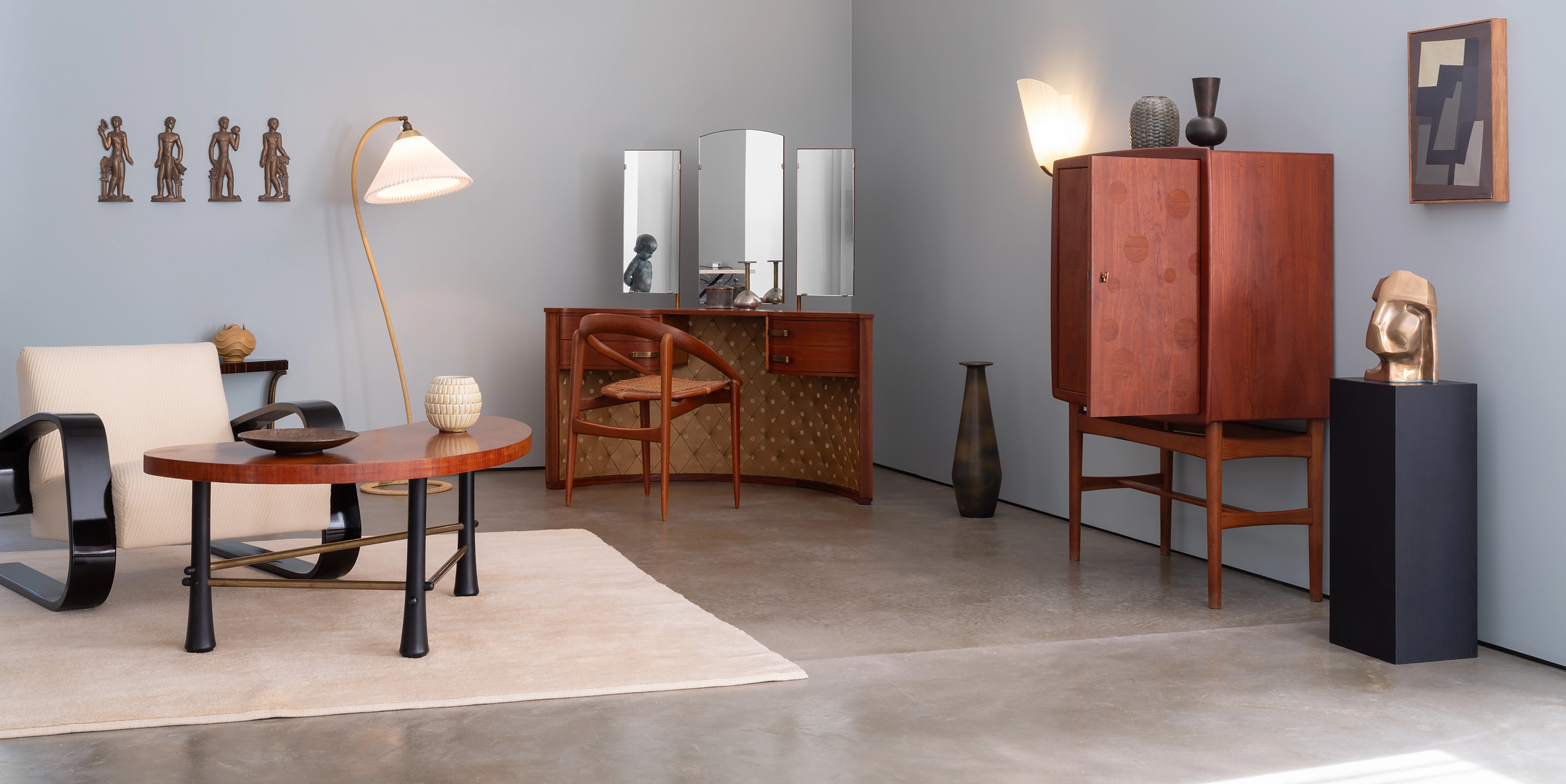
Dressing Room with Alvar Aalto Easy Chair
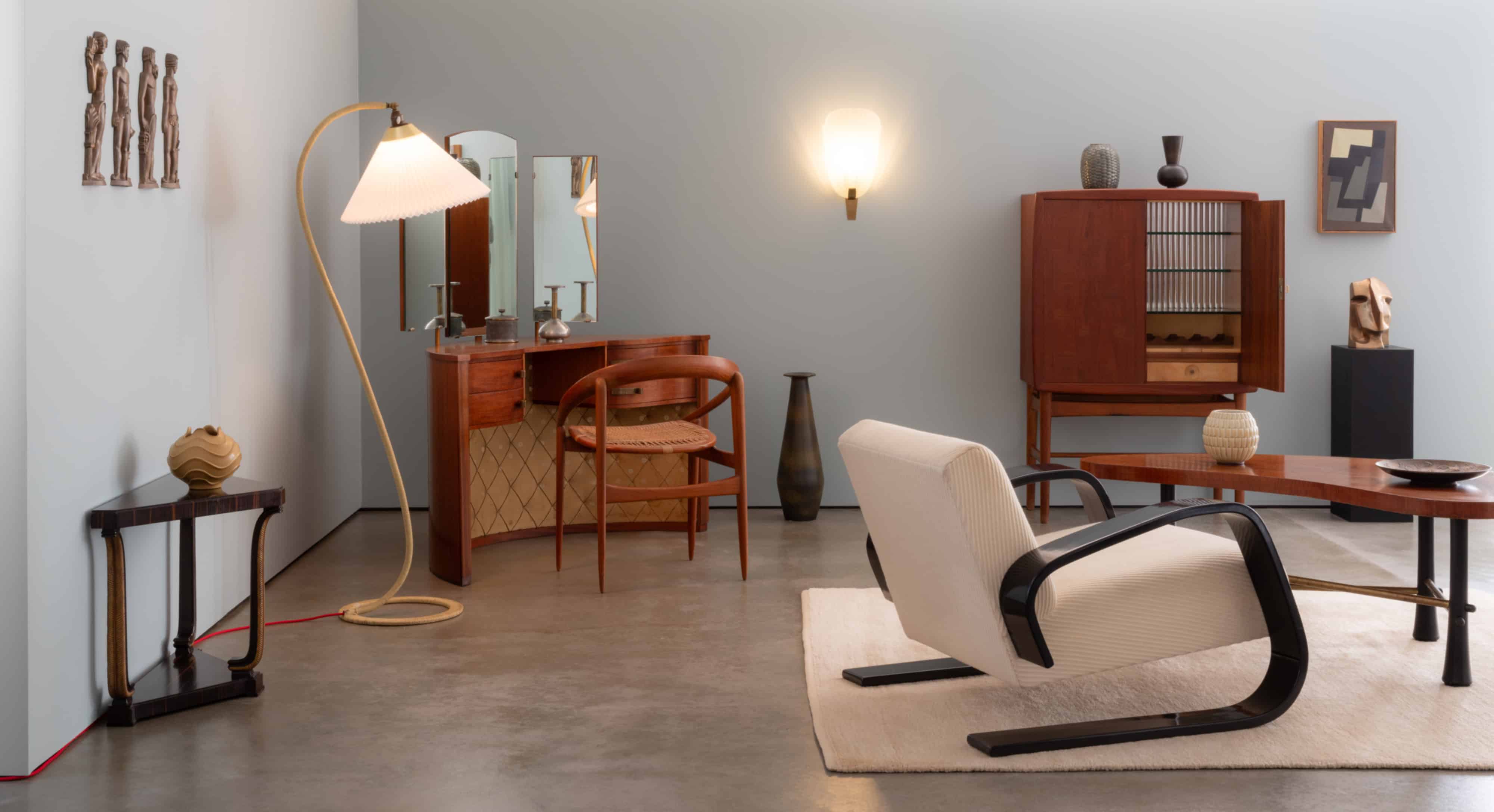
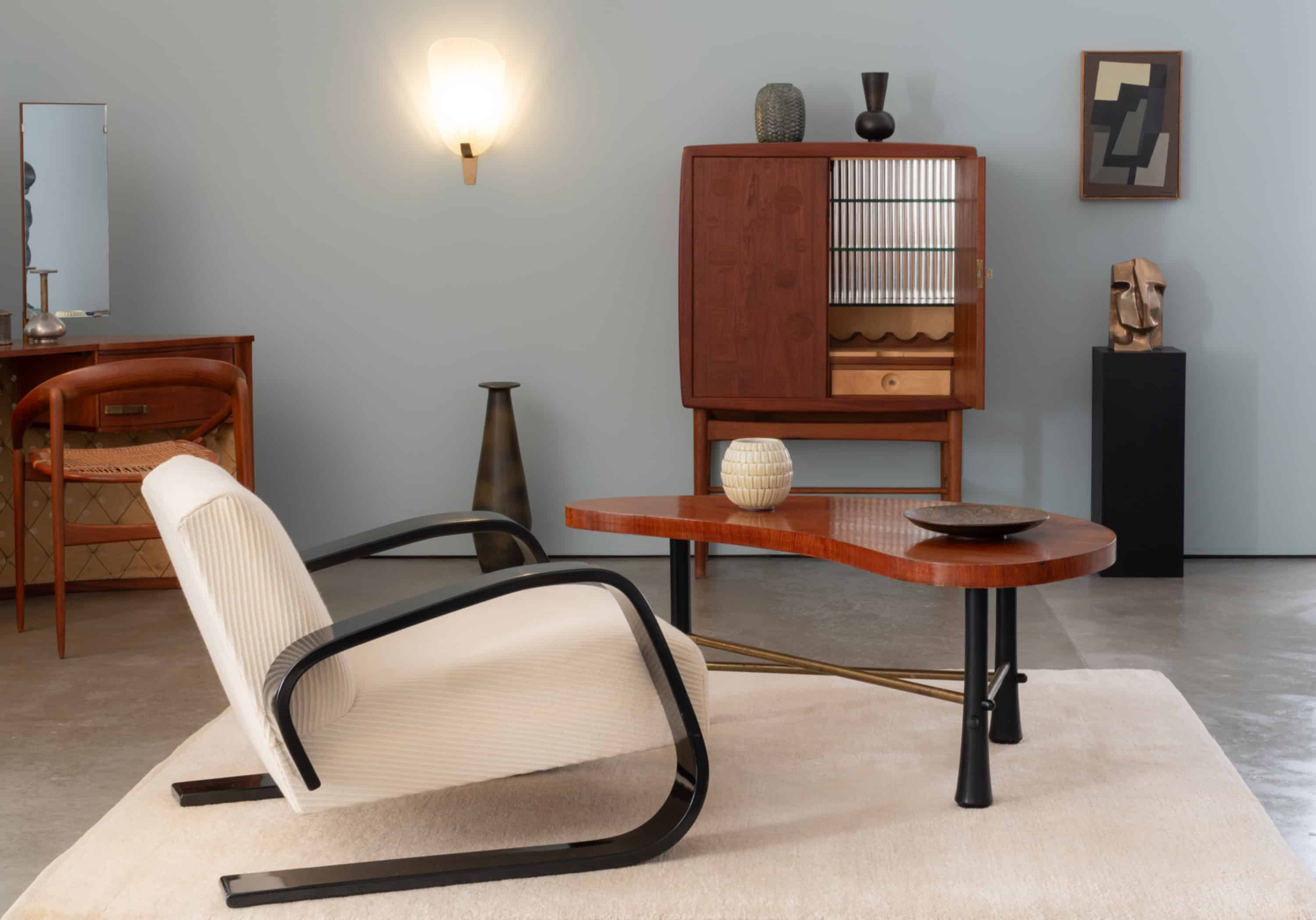
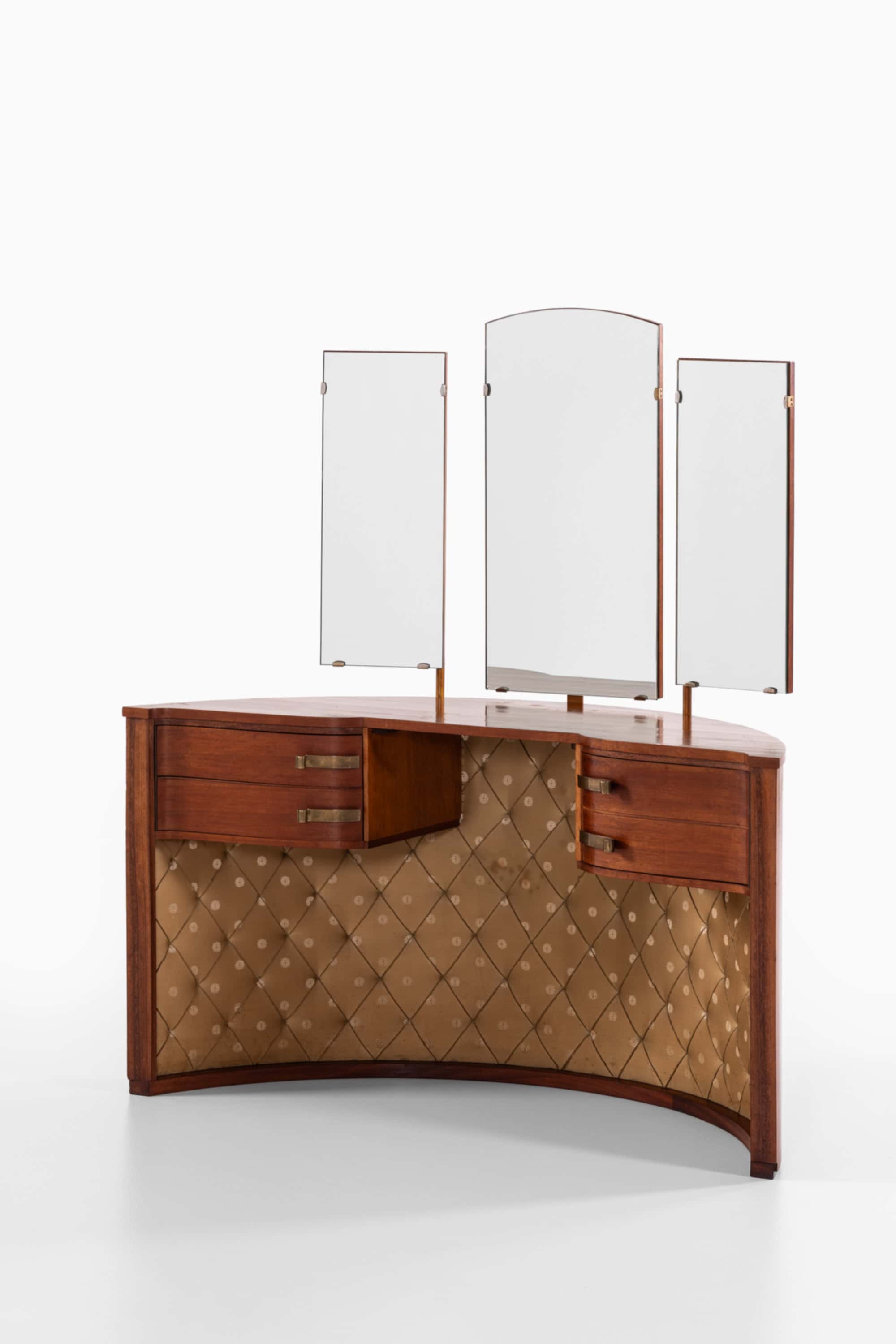
A composed dressing room interior by Studio Schalling, centred around an Alvar Aalto easy chair and a rare Danish Art Deco dressing table from the 1930s.
Set against soft blue walls, the Alvar Aalto easy chair brings a bold curved silhouette in black and cream, while the dressing table adds warm mahogany, brass and patterned silk. In front, the kidney-shaped 1940s coffee table introduces another organic form, tying together the room’s darker accents and richly toned wood.
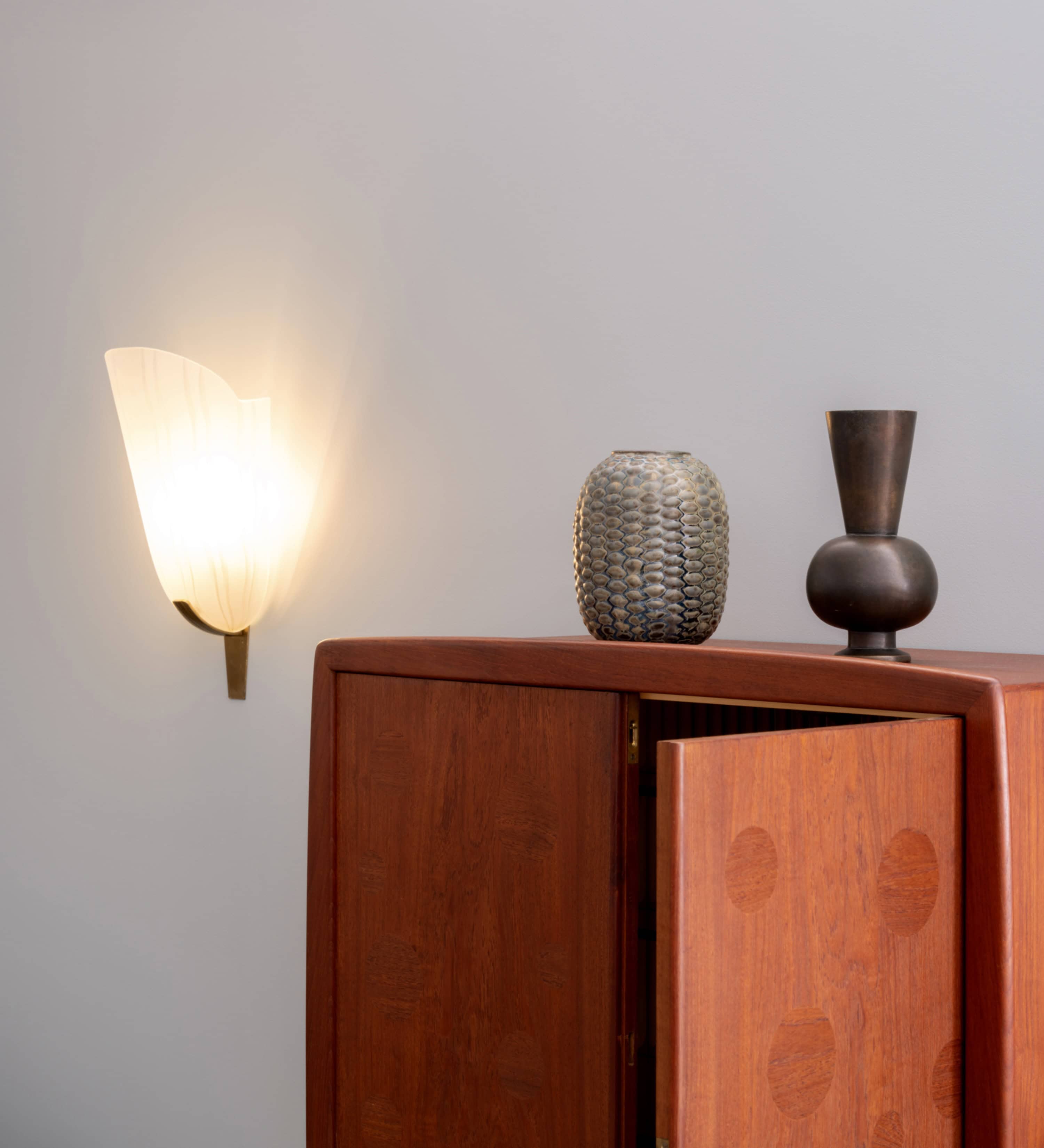
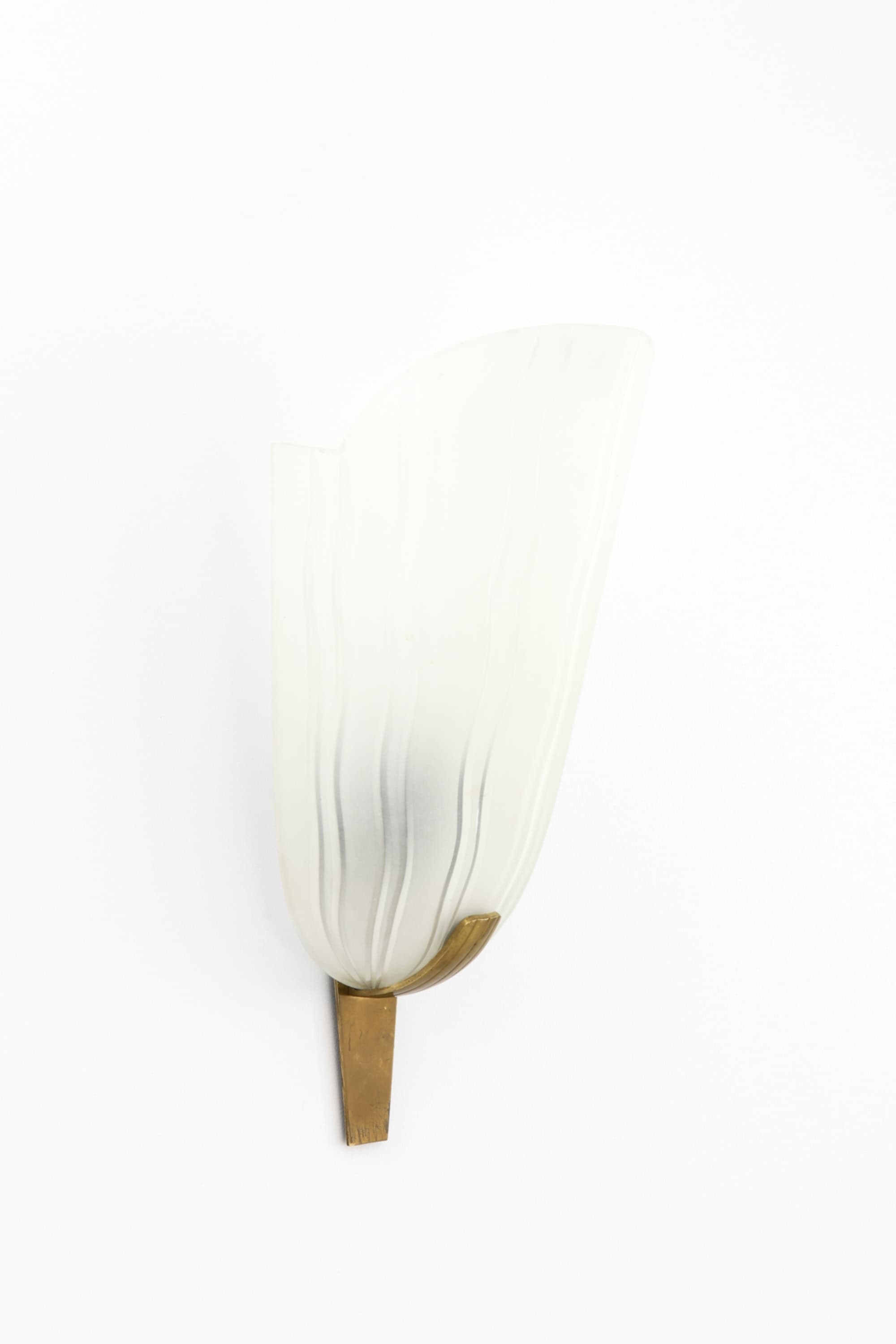
Around them, a Kurt Østervig bar cabinet and Harald Notini wall lamp bring together Scandinavian design from different periods. The combination of wood, brass, glass and textiles gives the interior a layered character, balancing the functional clarity of modernism with the decorative qualities of Art Deco.
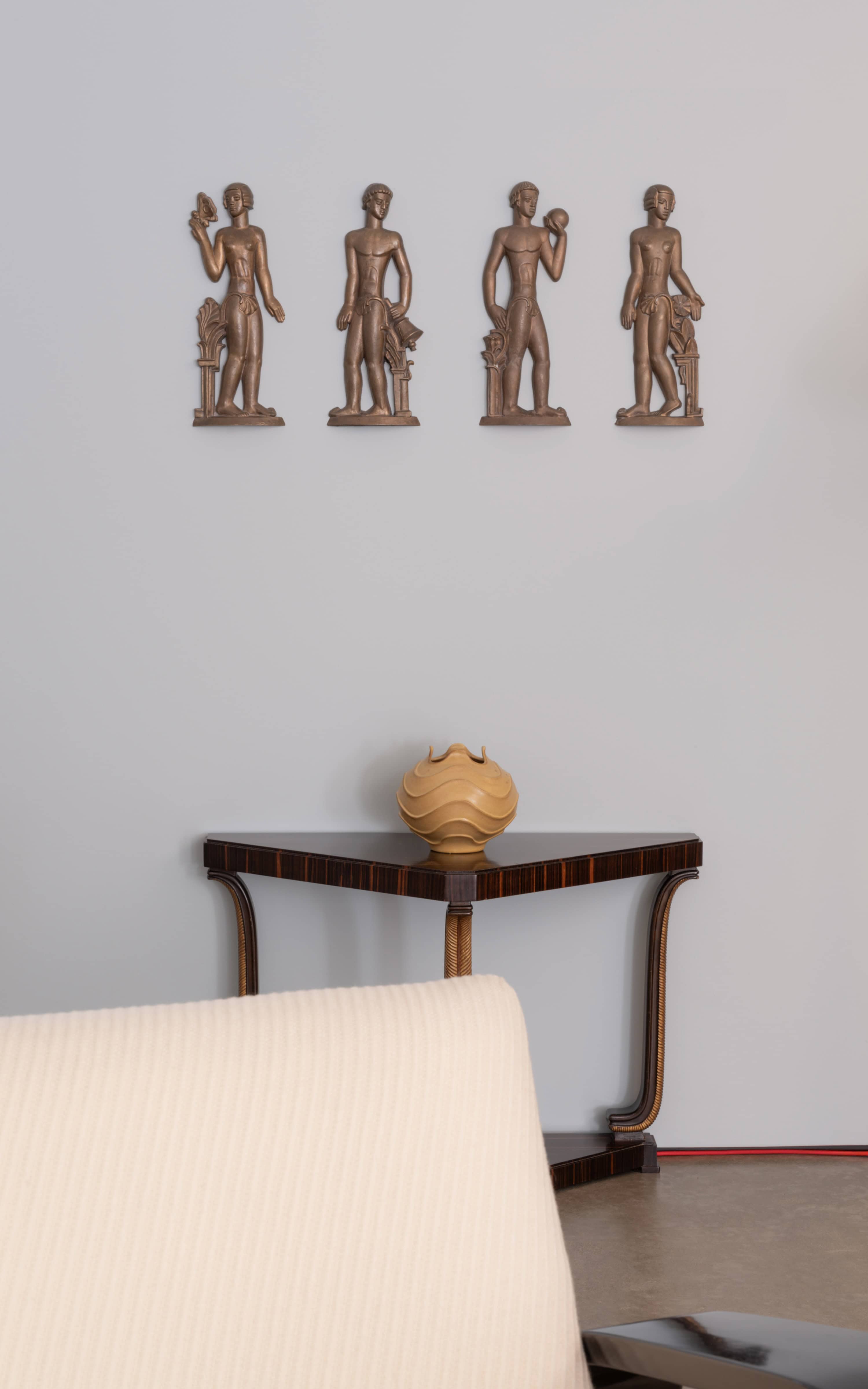
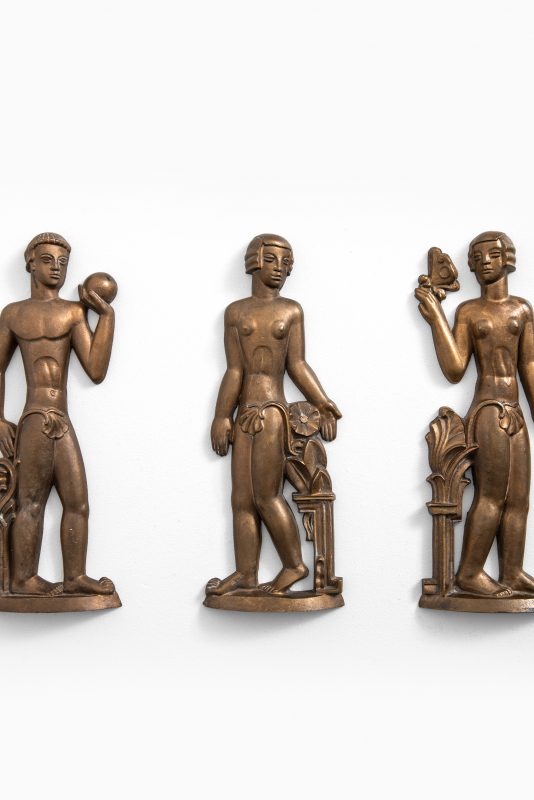
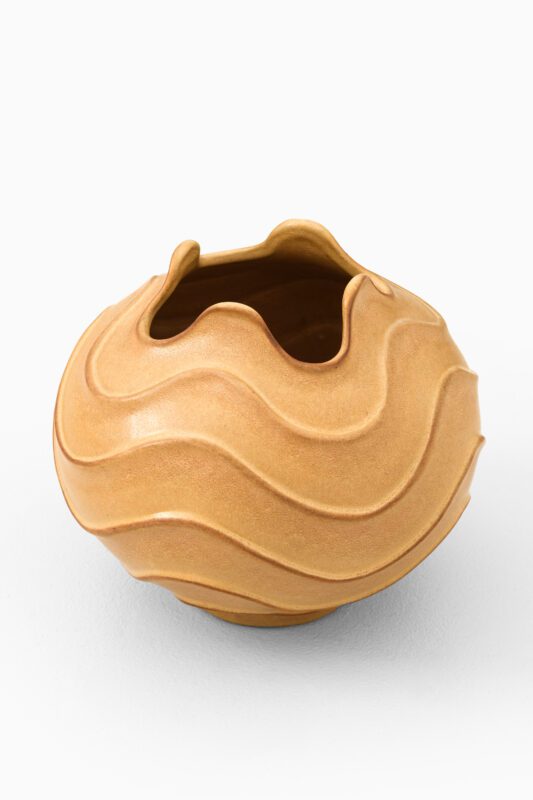
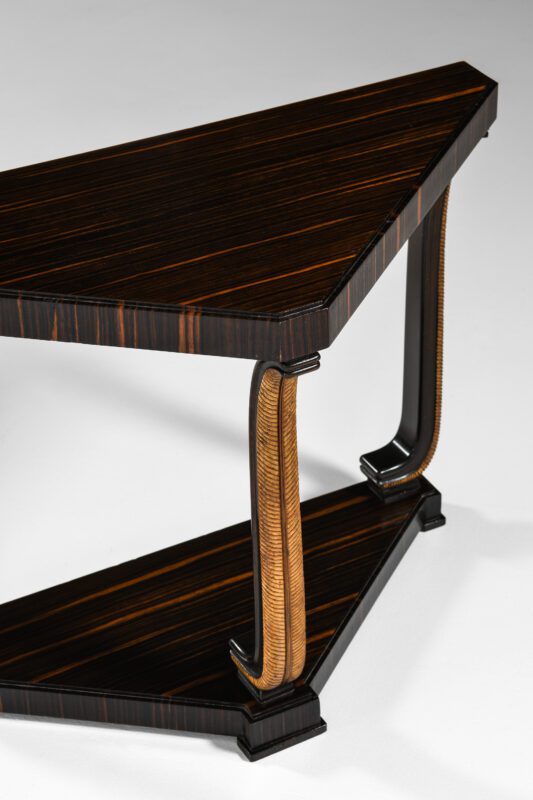
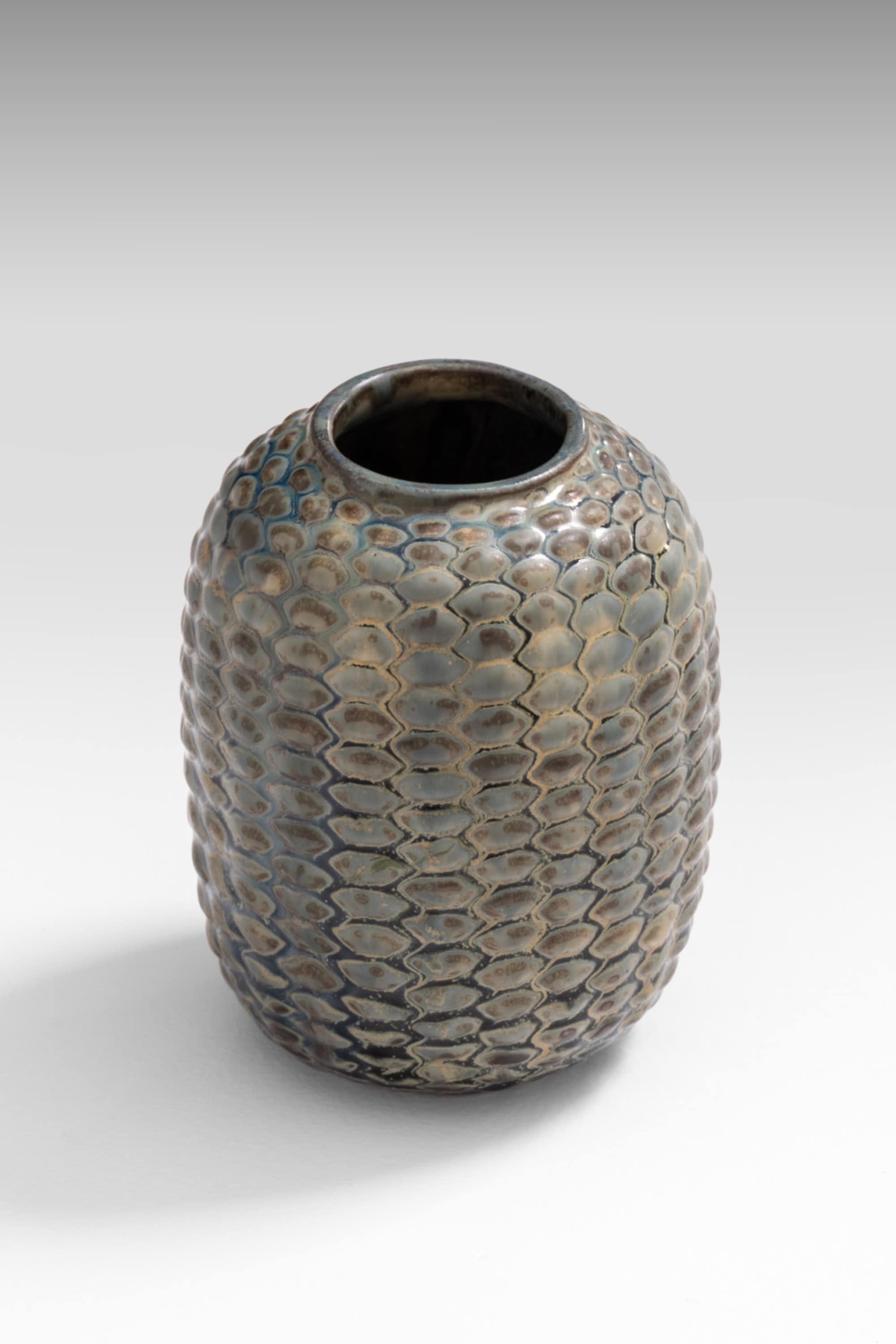
A quieter vignette within the room brings together a rare set of four bronze reliefs by Stig Blomberg, an Ewald Dahlskog ceramic vase and Axel Einar Hjorth’s model Louis console table.
Designed across the late 1920s and 1930s, the pieces share a decorative approach rooted in Swedish Grace and early modernism. The dark Macassar ebony and giltwood details of Hjorth’s console form a rich backdrop for Dahlskog’s ochre-glazed vase, while Blomberg’s classical bronze figures introduce rhythm and verticality above. Together, the materials and forms create a compact composition of bronze, ceramic and richly figured wood.
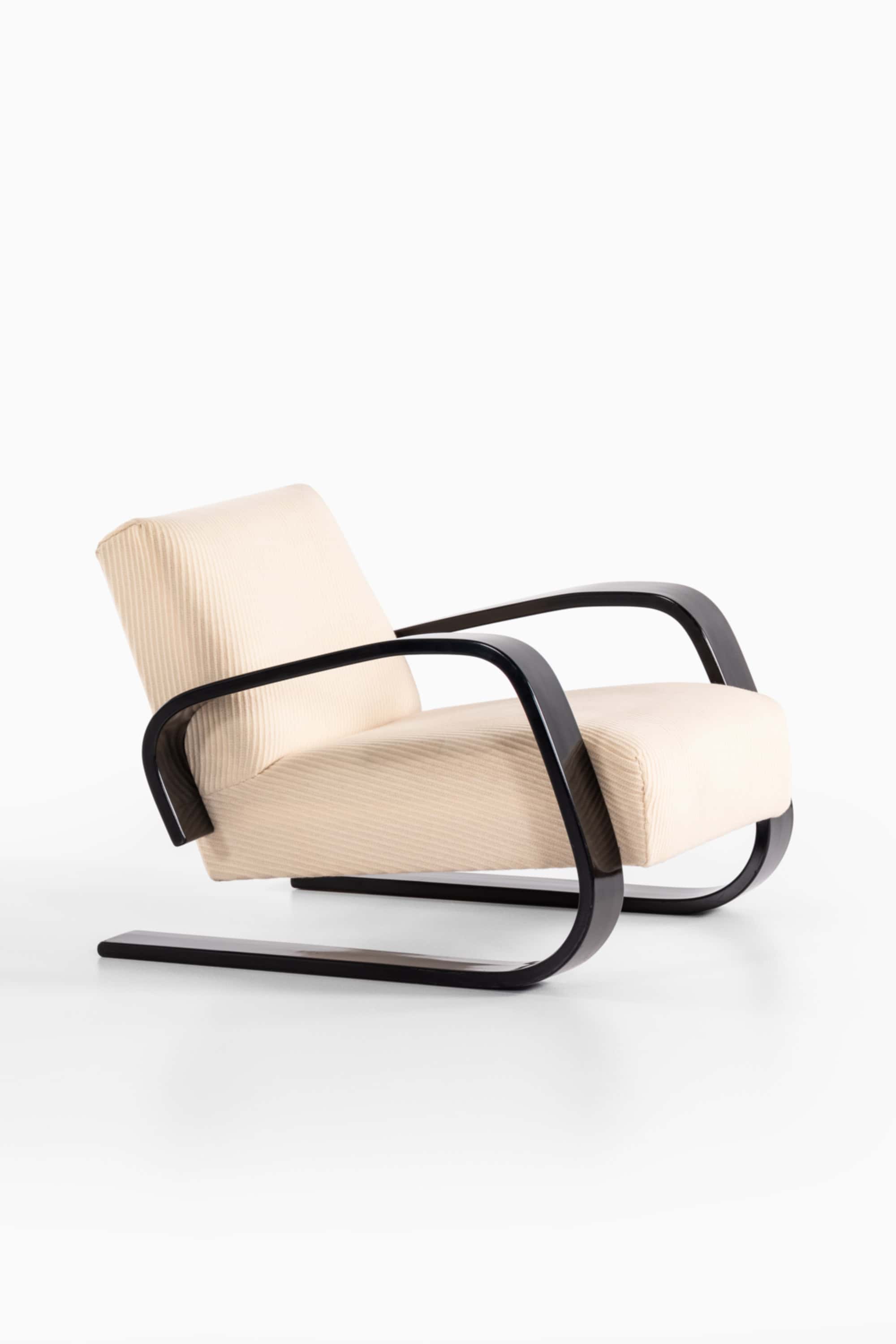
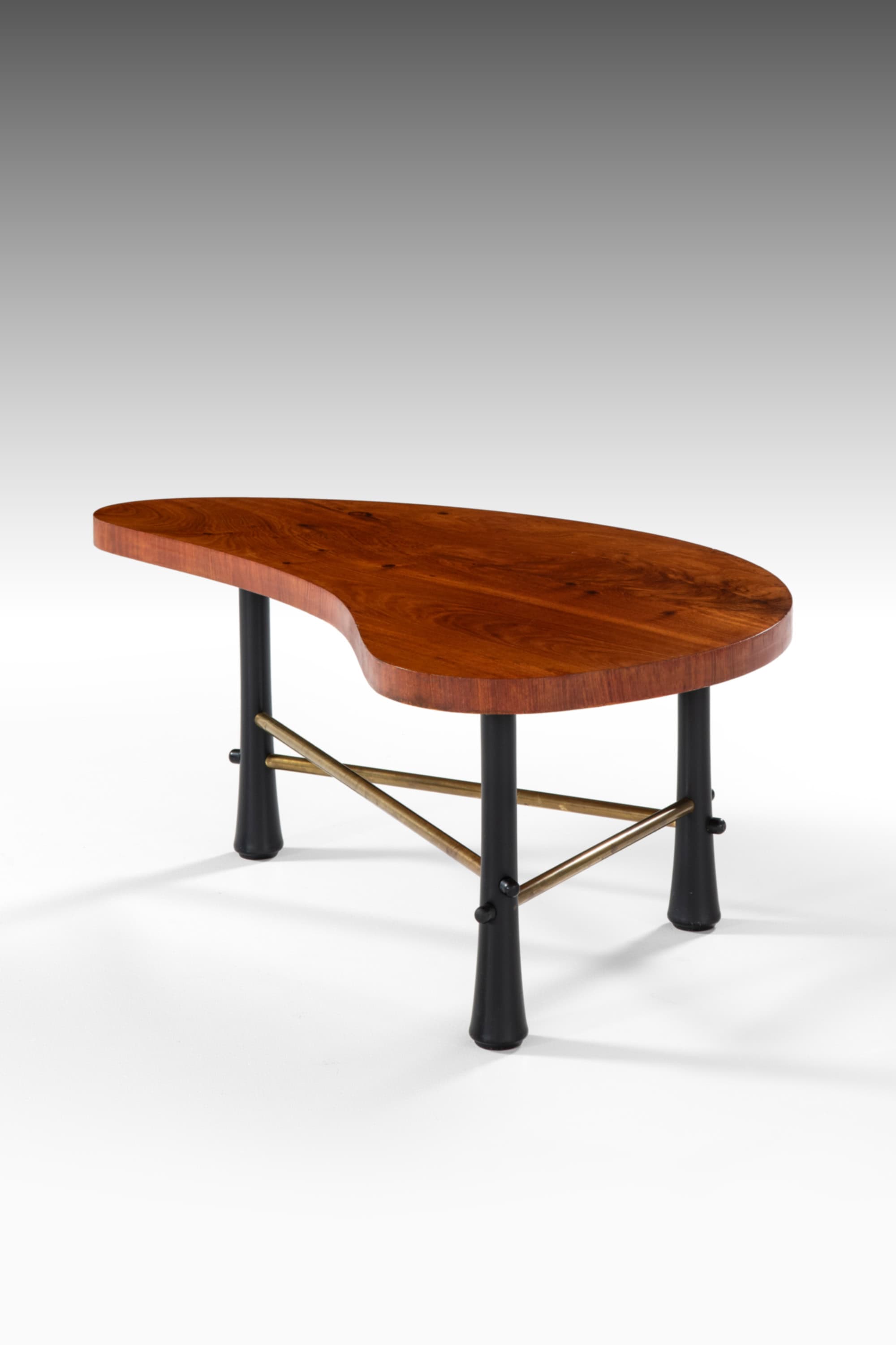
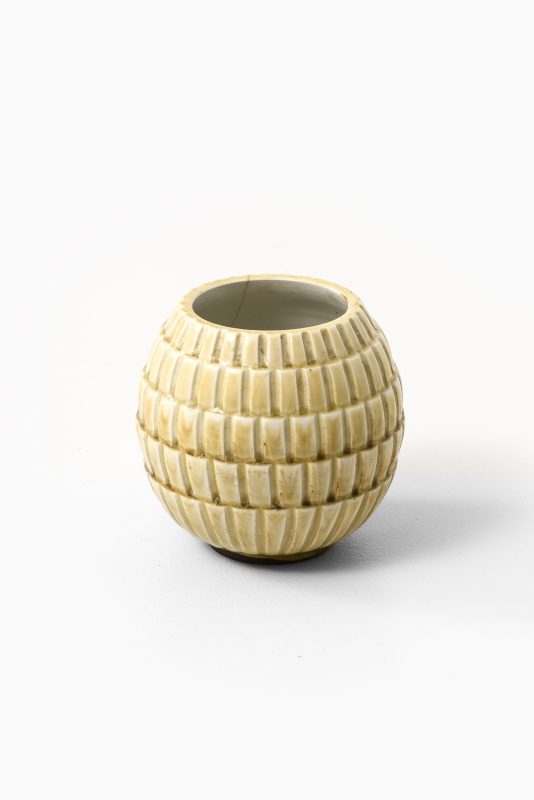
A composed seating vignette centred around Alvar Aalto’s model 400 “Tank Chair”, a kidney-shaped 1940s coffee table and a ceramic vase by Gertrud Lönegren.
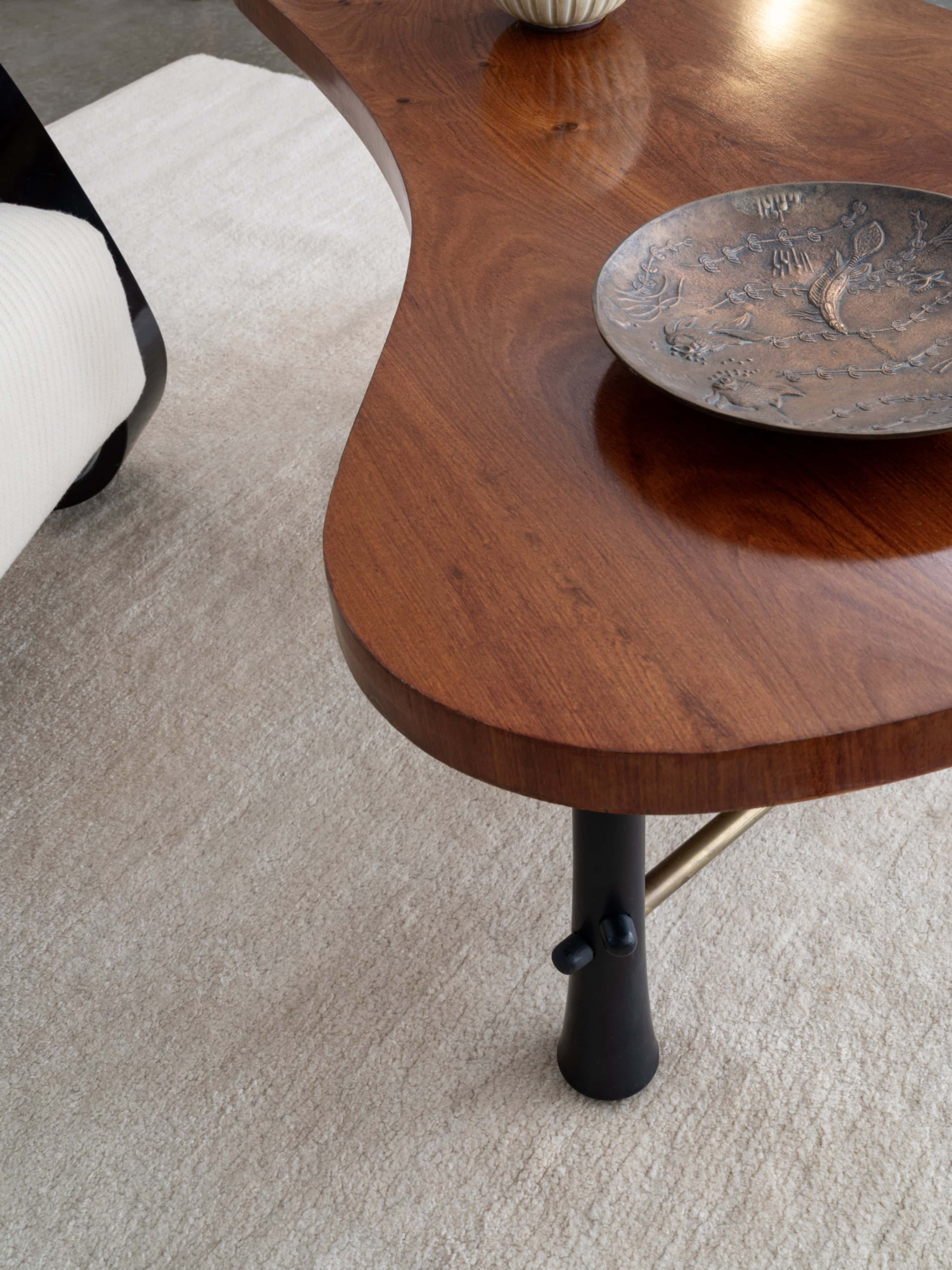
The black lacquered bent birch frame of the Aalto chair creates a distinct contrast with its light upholstered seat and back, while the softly curved walnut tabletop introduces warmth and a sense of movement to the composition. The table’s black legs and brass stretcher pick up the darker accents of the chair, giving the grouping a balanced material palette.
Placed at the centre of the table, Gertrud Lönegren’s hand-thrown vase for Rörstrand adds a tactile ceramic element. Its rounded form and fluted surface bring further texture to the arrangement, while the muted yellow-cream glaze sits naturally within the room’s palette of warm wood, dark finishes and blue walls.
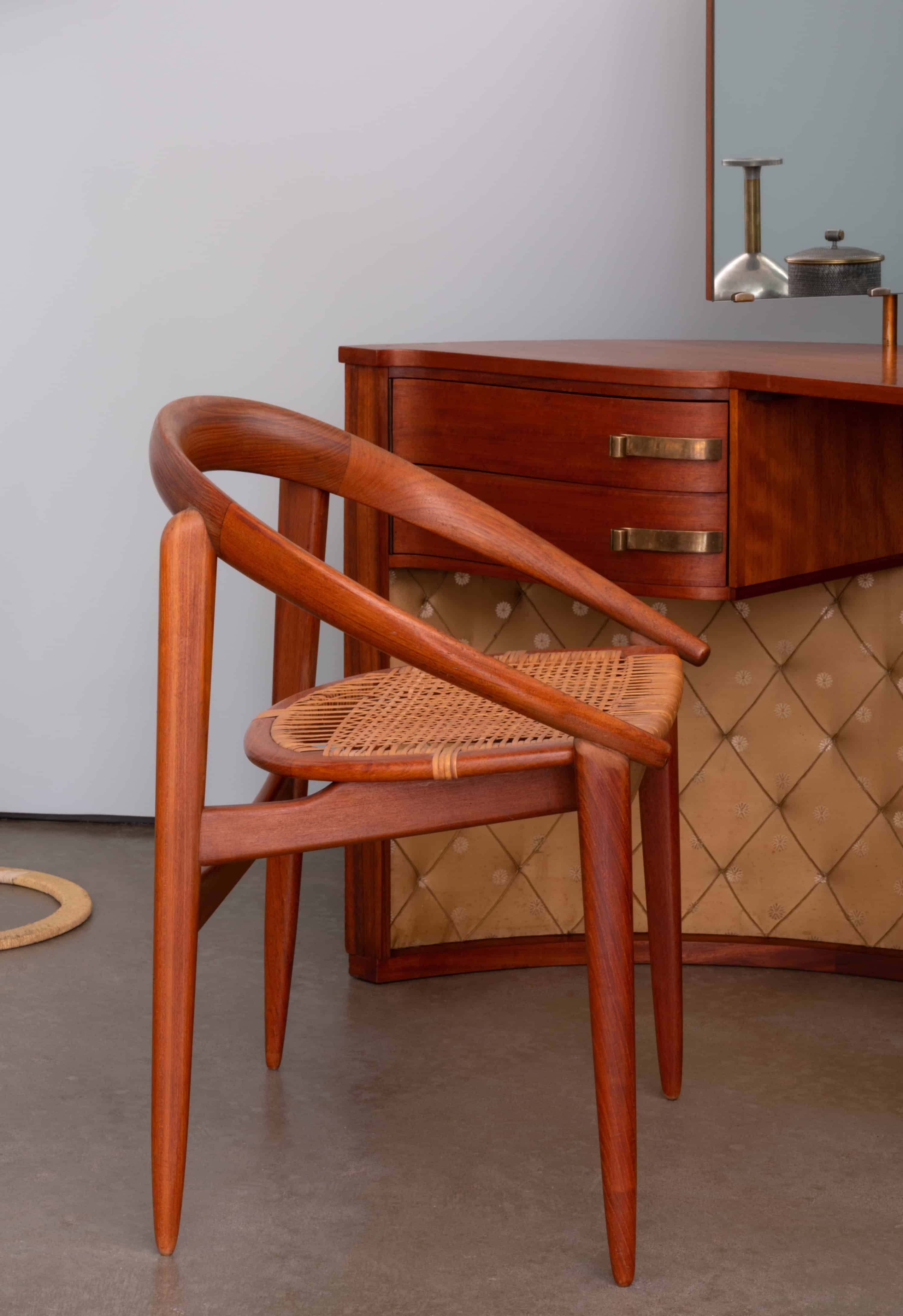
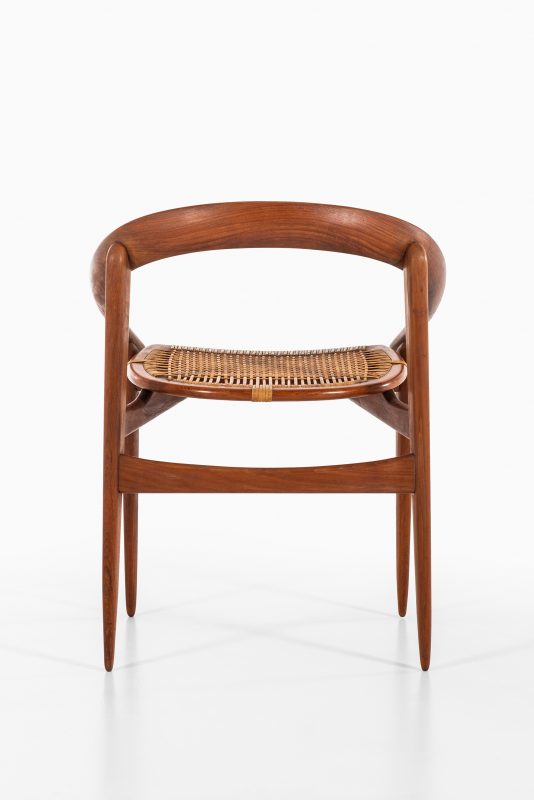
A closer detail brings together H. Brockmann-Petersen’s rare teak and cane armchair with a decorative bronze bowl by Gunnar Nylund.
Designed in 1956, the chair is defined by its rounded backrest, slender tapered legs and handwoven cane seat, combining solid teak with precise cabinetmaking. Its warm wood tones sit naturally alongside the dressing table behind, while the open construction keeps the composition visually light.
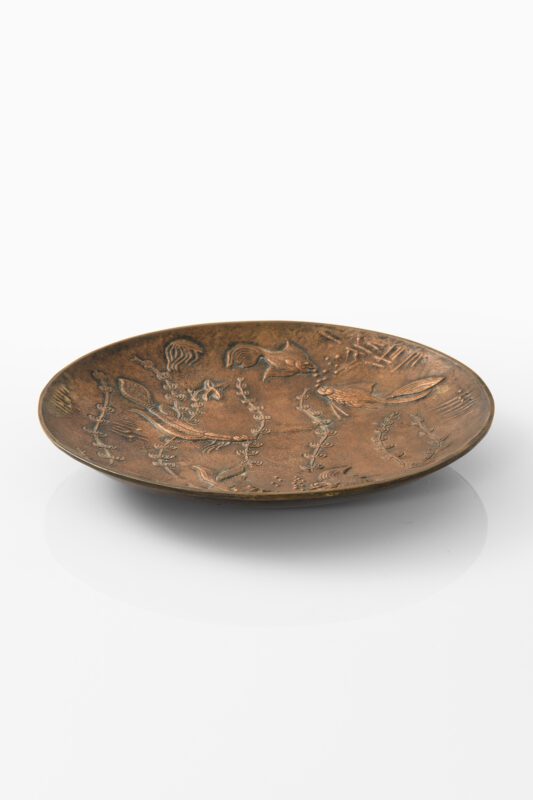
Nearby, Gunnar Nylund’s bronze bowl from the 1940s introduces a darker, more tactile counterpoint. Its shallow form and low-relief underwater decoration add surface detail and a subtle decorative note, contrasting with the chair’s cleaner lines and natural materials.
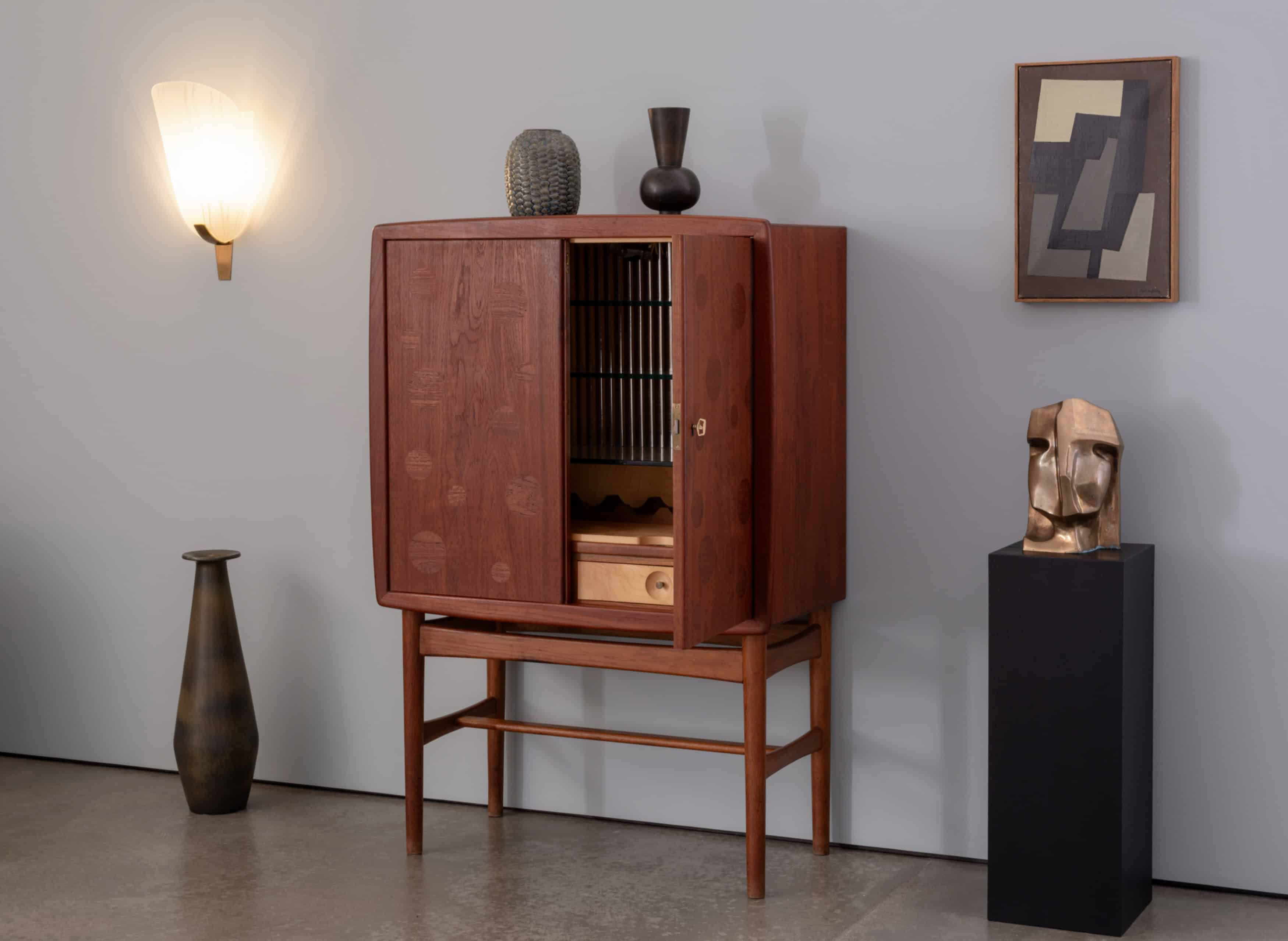
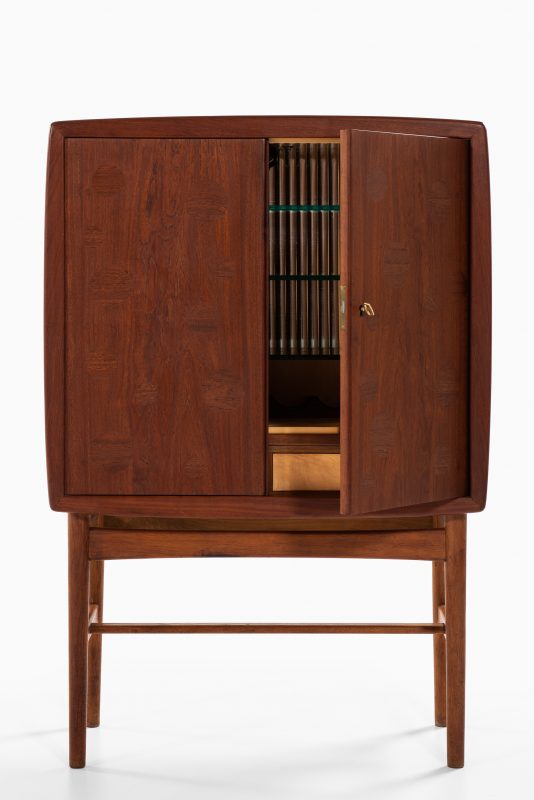

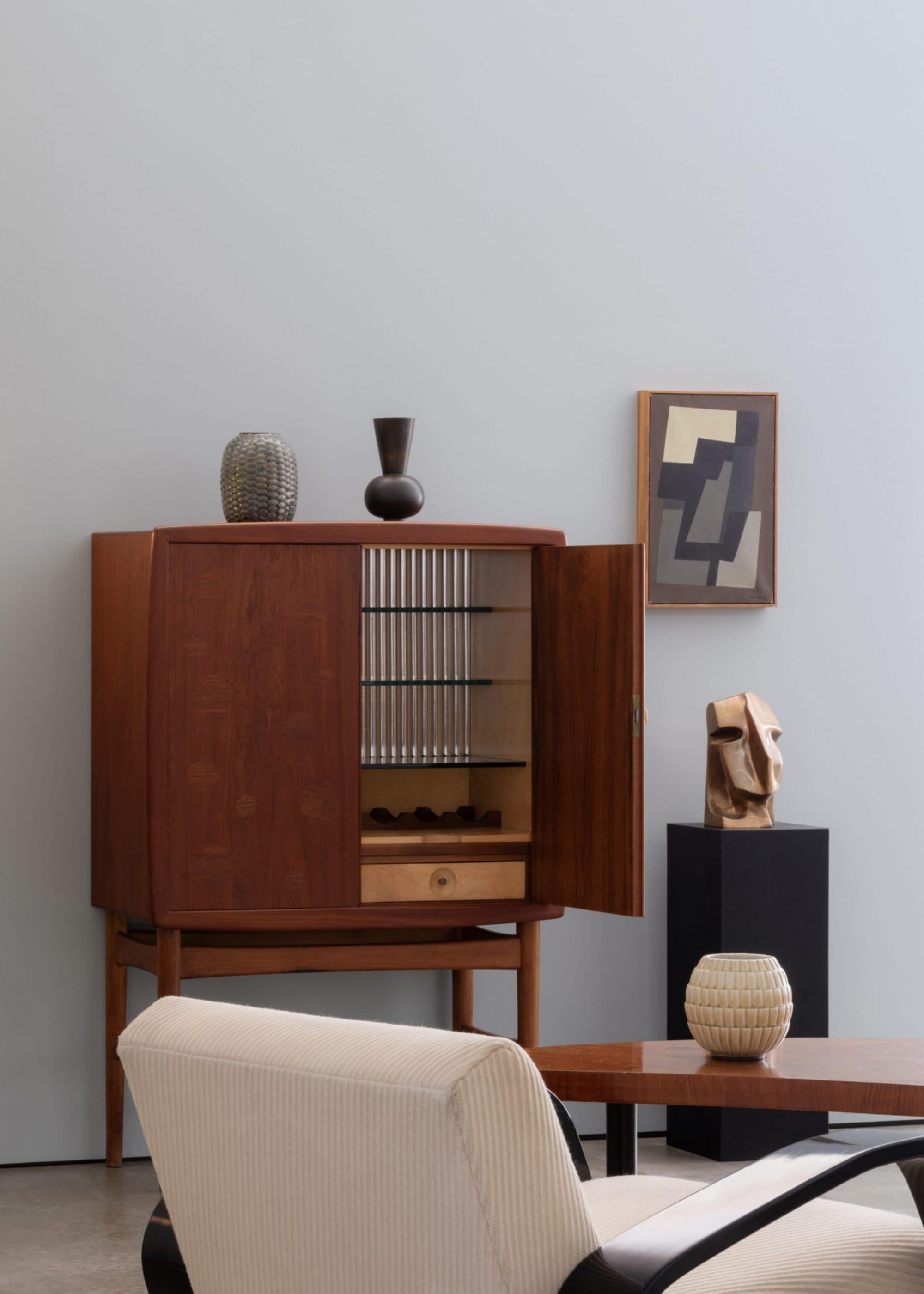
A central element in the composition is Kurt Østervig’s model 93 bar cabinet, designed in 1945 and produced by K.P. Møbler in Denmark. The cabinet combines teak, oak, brass and glass, with patterned door fronts and a carefully fitted interior for glassware and bottles.
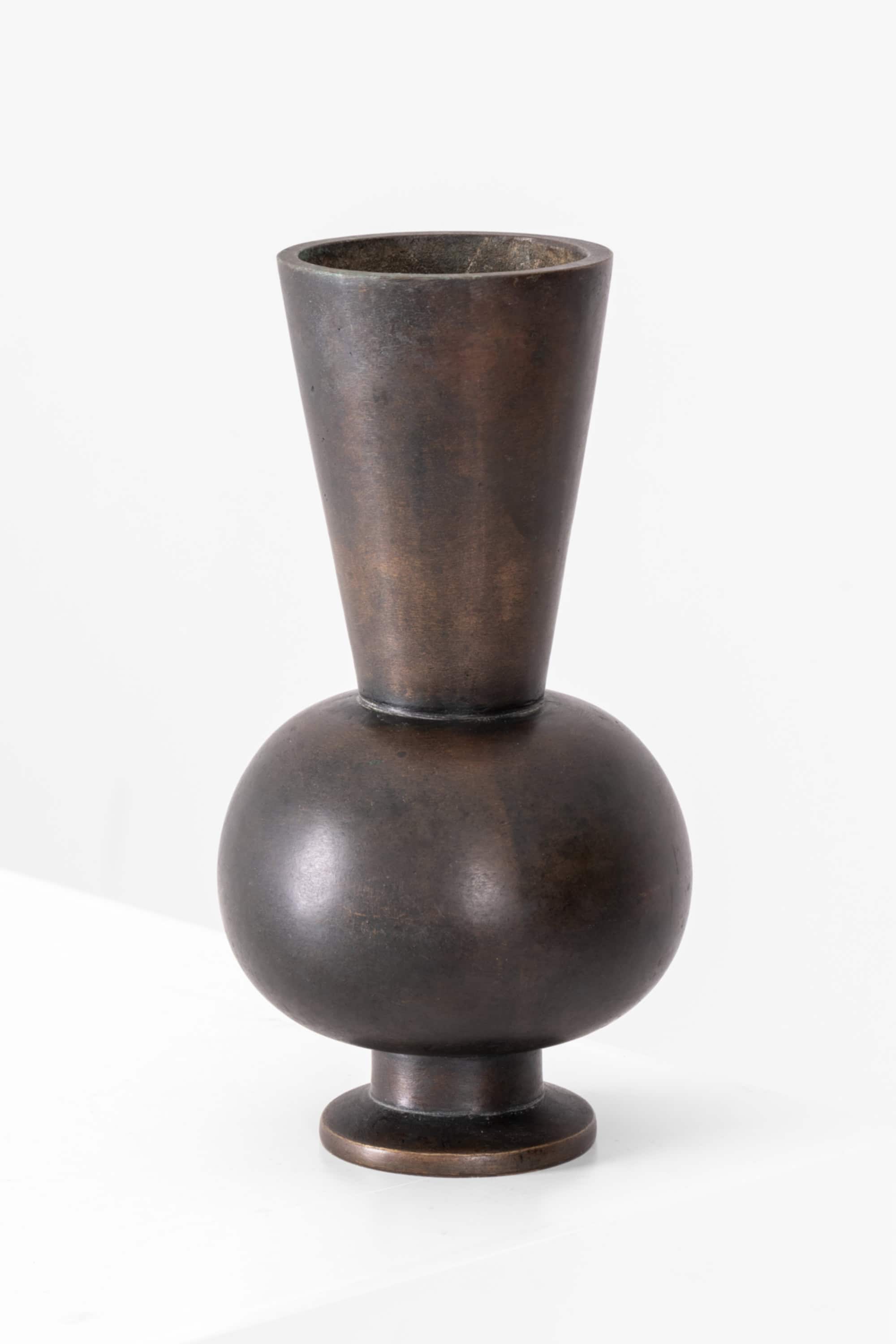
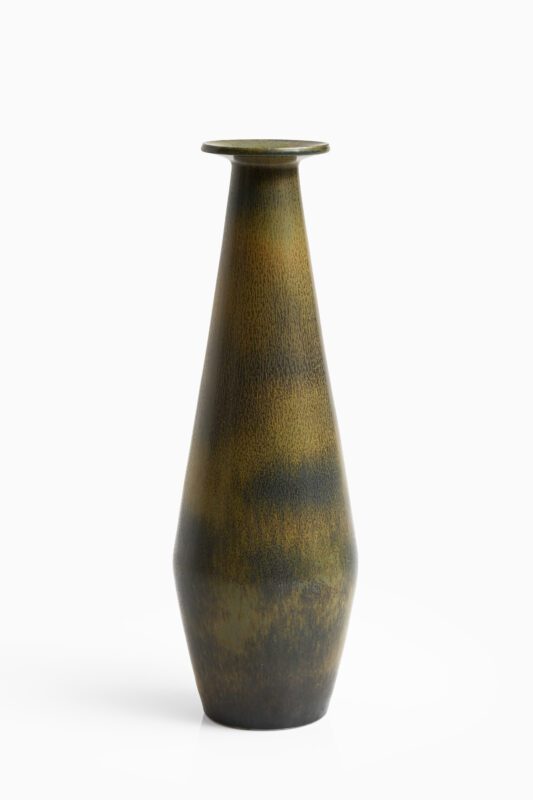
To the left, a tall floor vase by Gunnar Nylund for Rörstrand introduces a slender ceramic form, its dark olive and ochre glaze creating a subdued contrast to the warmer wood of the cabinet.
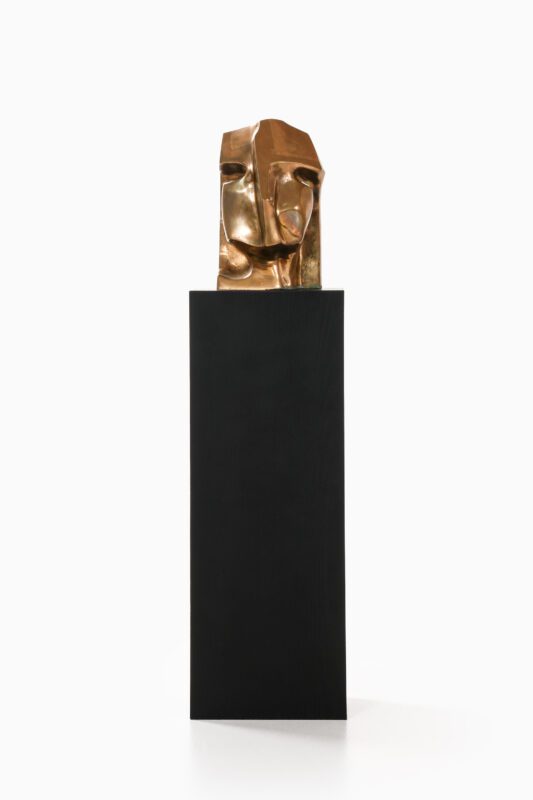
On the right, Pipin Henderson’s bronze sculpture provides a stronger three-dimensional counterpoint. Its abstracted human form and warm patinated surface add weight and texture, while Tore Nyberg’s geometric painting above extends the vertical composition and introduces a restrained palette of brown, black, beige and grey.
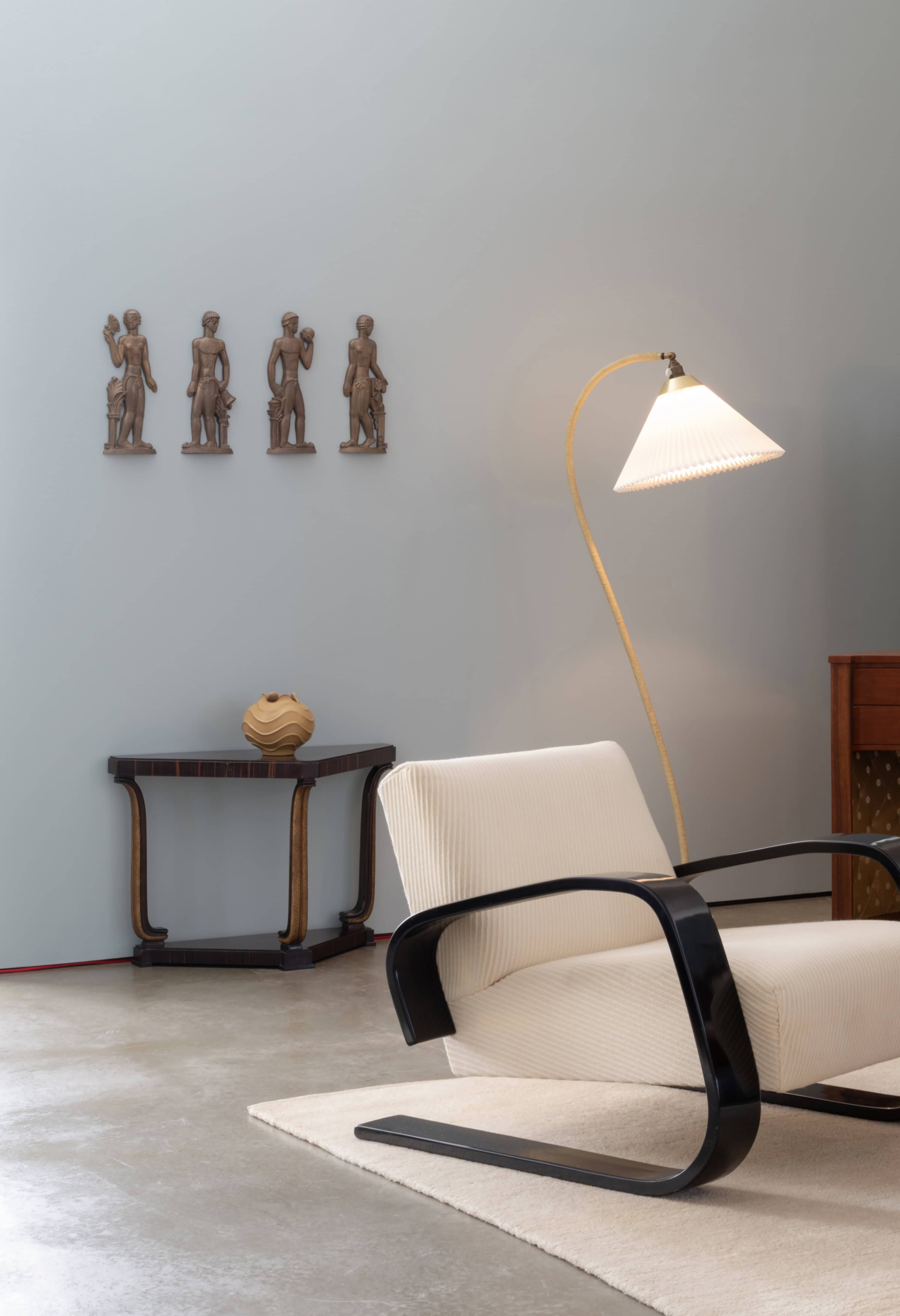
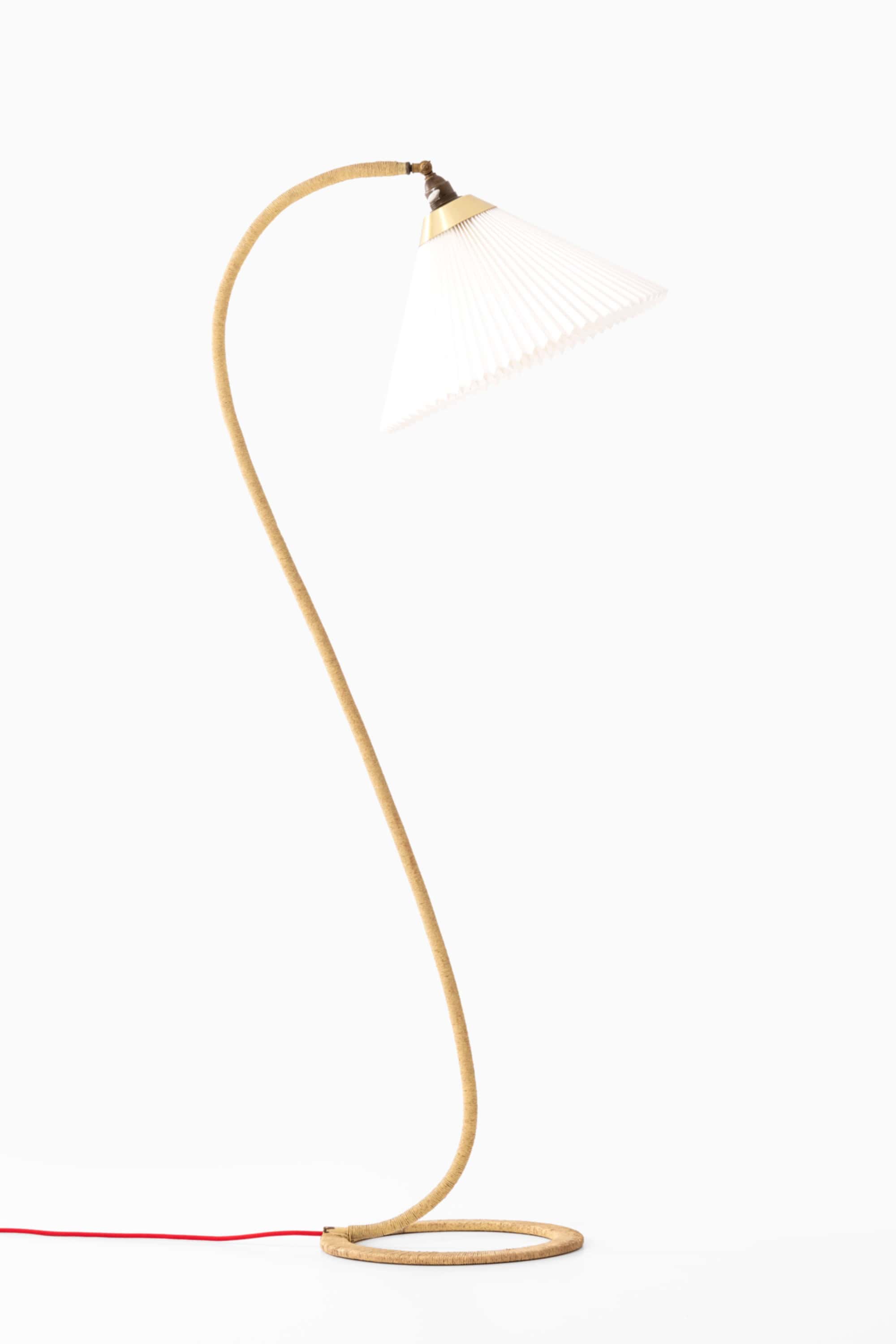
A slender Swedish floor lamp from the 1950s adds a softer vertical element to the room. Its gently curved, fiber-wrapped stem and pleated Le Klint shade introduce a lighter material contrast throughout the interior.
Together, the room brings together Scandinavian furniture, ceramics, lighting and art from the 1920s through the 1960s. Curved forms, warm woods, brass, bronze and textured surfaces recur across the setting, while the soft blue walls provide a restrained backdrop that allows each object to retain its own character within the composition.